Rural roads pose 10-fold safety risk as country lanes 'increase consequences' for millions
•Drivers heading to the countryside this summer have been warned that rural roads can be far more dangerous than many people realise.New research from car insurance provider Ageas found crashes on rura...
•While many motorists believe summer is one of the safest times to drive because of longer daylight hours and better weather, the data suggests the warmer months bring their own risks.
•TRENDING Stories Videos Your Say The study found that crashes on rural roads increase throughout the summer period, peaking in August, when 38.1 per cent of all recorded road collisions take plac...
هذا الخبر من GB News. خبر يقدم أدوات ذكاء اصطناعي للتلخيص والترجمة والاستماع.
المصدر: GB News | Source: GB NewsDrivers heading to the countryside this summer have been warned that rural roads can be far more dangerous than many people realise.
New research from car insurance provider Ageas found crashes on rural roads are almost 10 times more likely to be fatal than collisions on urban roads.
The warning comes after Ageas analysed Department for Transport collision data to see how road accident patterns change throughout the year.
While many motorists believe summer is one of the safest times to drive because of longer daylight hours and better weather, the data suggests the warmer months bring their own risks.
TRENDINGStoriesVideosYour SayThe study found that crashes on rural roads increase throughout the summer period, peaking in August, when 38.1 per cent of all recorded road collisions take place on country roads.
Although rural roads accounted for around a third of collisions across the year, they also saw far more serious crashes than roads in towns and cities, experts warned.
According to the analysis, collisions on rural roads are nearly 10 times more likely to be fatal. They are also much more likely to cause serious injuries and involve multiple casualties.
Ageas said the trend is likely linked to more people travelling to beaches, national parks and other countryside destinations during the summer holidays.
rura
Jonathan Price, Managing Director for the direct business at Ageas UK, said many drivers end up on unfamiliar country lanes after navigation apps divert them away from traffic.
He said: "For many people, summer means days out, holidays and exploring places they don't normally drive. And in an attempt to avoid traffic, sat navs can end up re-routing you down narrow, winding, rural roads.
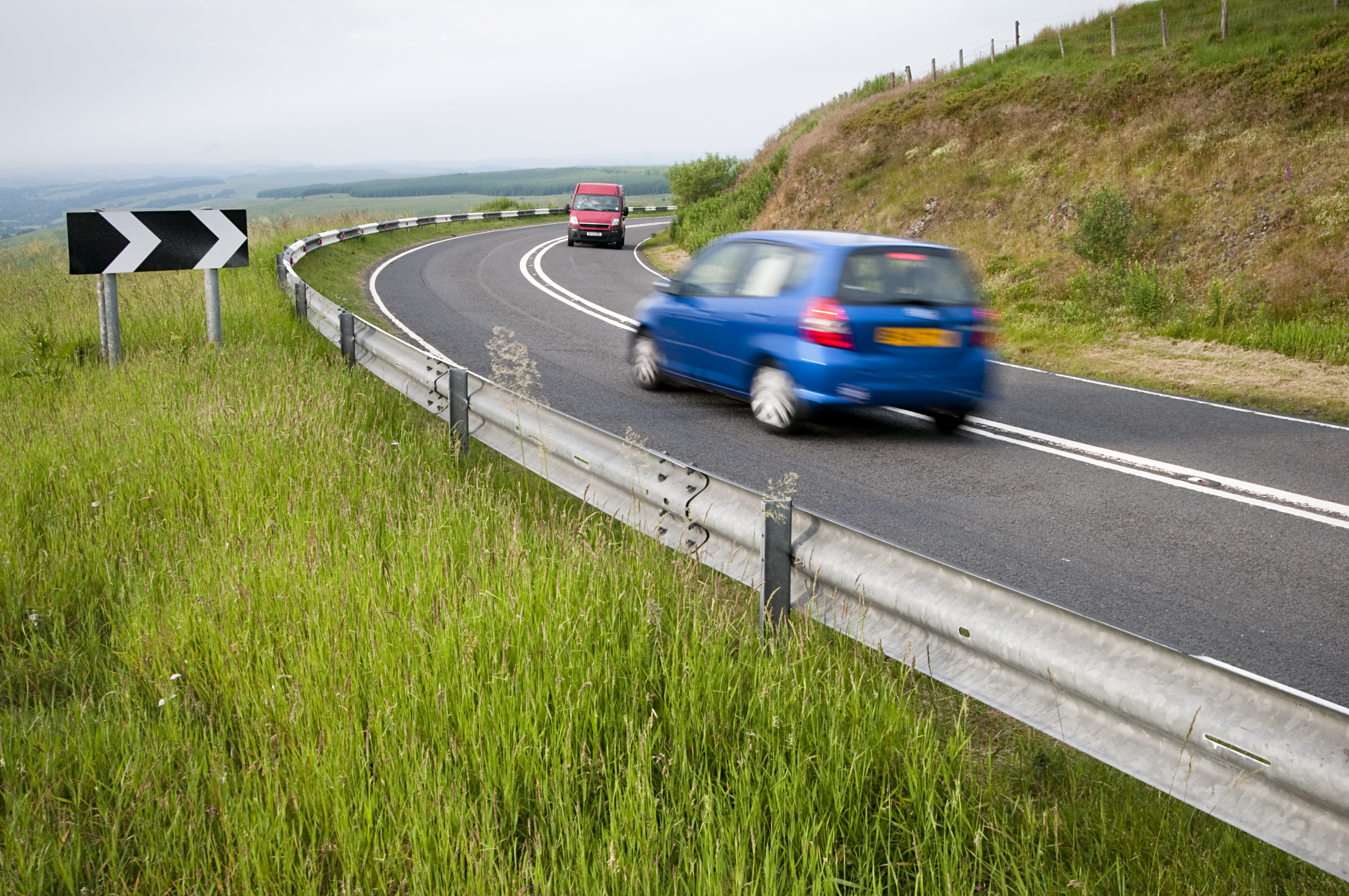
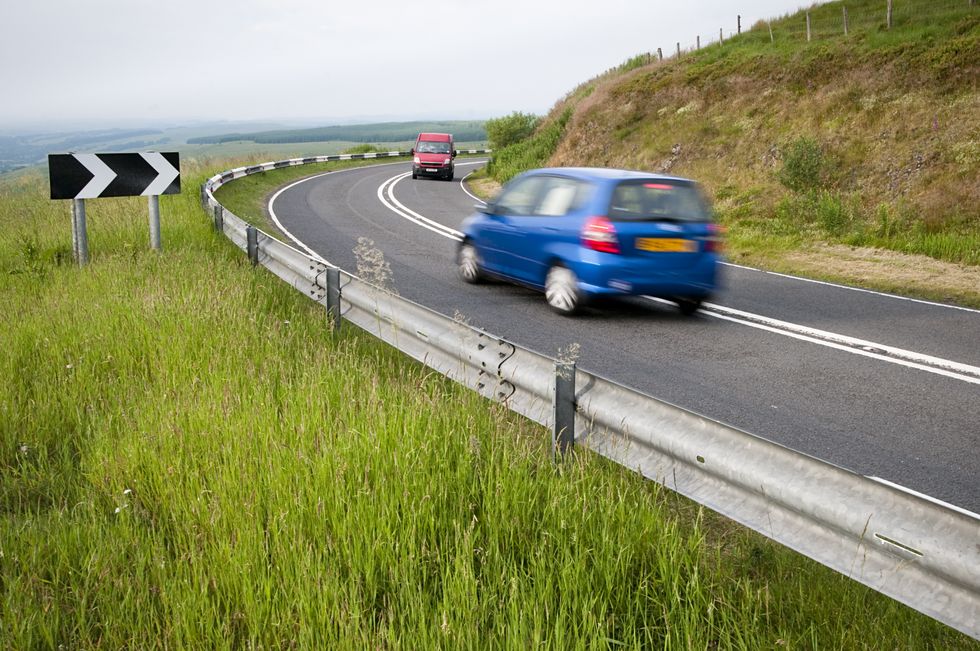
"Country roads can feel quieter and less intimidating than busy town centres, but they're often less forgiving. Higher speed limits, sharp bends, hidden junctions and limited opportunities to recover from mistakes all increase the consequences if something goes wrong."
Despite the findings, Mr Price stressed the important message "isn't that people should avoid rural roads altogether, but that they should recognise the change in driving environment."
LATEST DEVELOPMENTS:
- Petrol and diesel drivers see lower prices 'disappear' as Iran tensions send oil costs soaring
- Drivers face new 50mph speed limit as major roadworks begin on vital Midlands route
- Pay-per-mile car taxes confirmed for 2028 as Labour unveils new changes for millions of drivers
"Slowing down for bends, expecting cyclists, walkers, horse riders and farm vehicles, and leaving plenty of time for journeys can all make a real difference," he shared.
Ageas has also highlighted five common hazards drivers should watch out for when travelling on country roads.
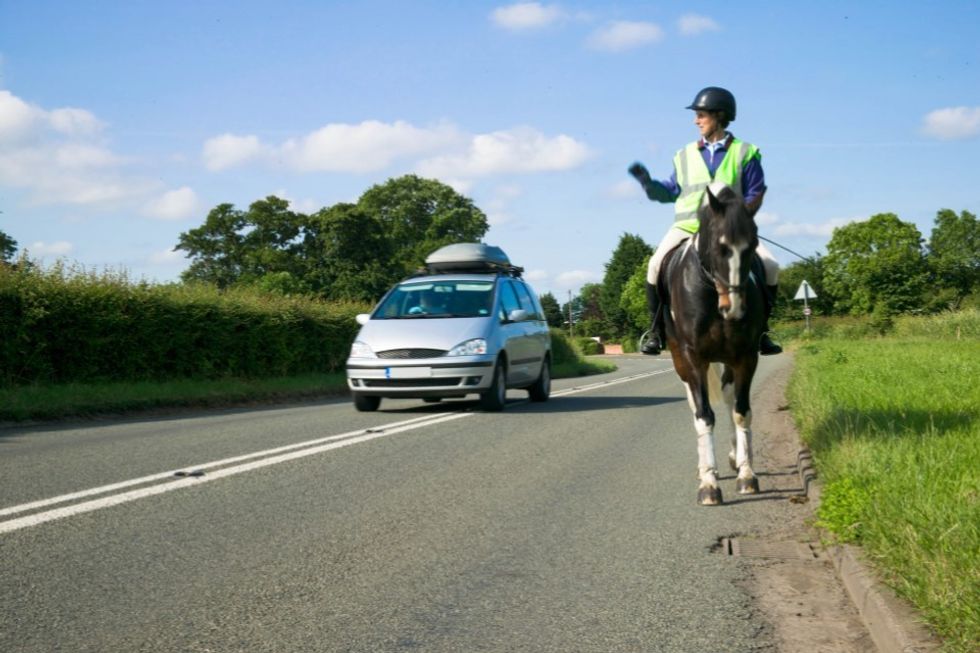
One of the biggest risks was that rural roads are shared by more than just cars. Cyclists, walkers, runners and horse riders can appear suddenly, particularly around blind bends or on roads without pavements.
Drivers are also more likely to come across mud, fallen branches, loose stones and other debris, especially near farms or after heavy rain. Reducing speed gives motorists more time to react safely.
Unlike major roads, many country lanes have few safety features. Crash barriers and clear road markings are often missing, while narrow roads leave little room for error if a vehicle leaves the carriageway.
Many rural roads were found to be only wide enough for one or one-and-a-half vehicles, meaning drivers may need to use passing places to allow oncoming traffic through.
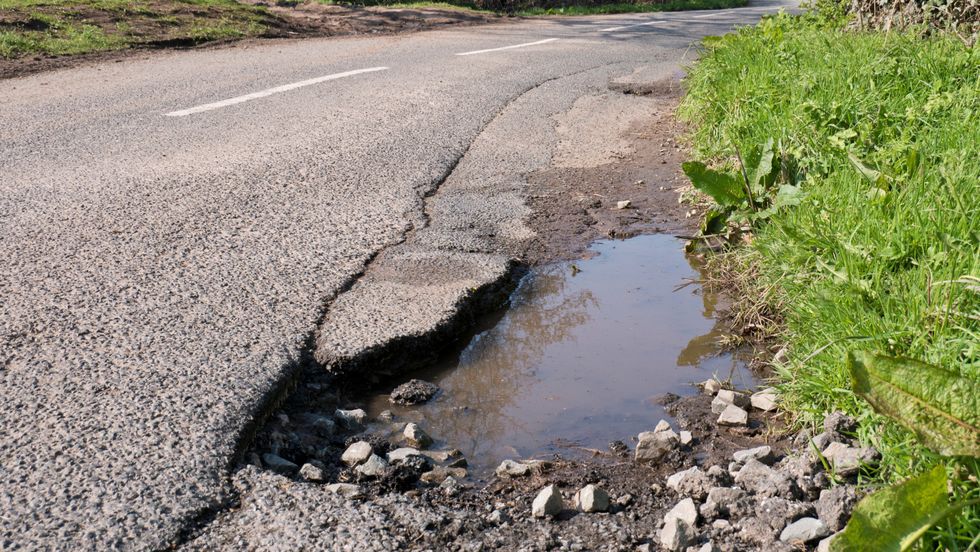
Road conditions can also be unpredictable, with potholes, uneven surfaces and crumbling road edges more common on country lanes than in built-up areas, making it important to look well ahead and avoid sudden braking or steering.
Finally, Ageas warned that empty roads can create a false sense of security. Although many rural roads carry the national speed limit, this does not always mean it is safe to travel at that speed.
Instead, motorists are being urged to adjust their speed to match the road conditions and only drive as fast as they can safely see ahead.
Our Standards: The GB News Editorial Charter
ملاحظة تحريرية | Editorial Note: نُشر هذا المقال في الأصل بواسطة GB News. خبر (Khabr) هي منصة إعلامية أردنية مرخّصة تعمل بالذكاء الاصطناعي. نضيف قيمة تحريرية من خلال: تحليل ذكي للأخبار، ملخصات تلقائية، رواية صوتية بالذكاء الاصطناعي، ترجمة متعددة اللغات، وتدقيق الحقائق. هدفنا جعل الأخبار أكثر وضوحاً وسهولةً للقارئ العربي.
This article was originally published by GB News. Khabr is a licensed Jordanian AI-powered news platform (Registration #82086). We add editorial value through: AI-powered news analysis, automated summaries, AI audio narration, multi-language translation (Arabic, English, French, Turkish), and AI fact-checking. Our mission is to make news more accessible and understandable for Arabic-speaking audiences worldwide.