📱 حمّل تطبيق خبر الآن!
🕐 --:--
-- --
تابعونا
عاجل
⚡ عاجل: كريستيانو رونالدو يُتوّج كأفضل لاعب كرة قدم في العالم ⚡ أخبار عاجلة تتابعونها لحظة بلحظة على خبر ⚡ تابعوا آخر المستجدات والأحداث من حول العالم
⌘K
AI مباشر | -- مشاهد مباشر
1,194,423 مقال 410 مصدر نشط 228 قناة مباشرة 9,207 خبر اليوم
آخر تحديث: منذ 3 ثواني

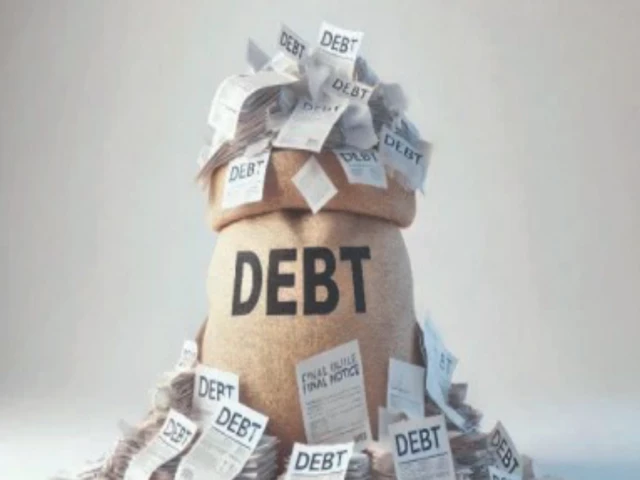
Rs100 trillion in debt: should Pakistan be worried?

اقتصاد
Express Tribune
2026/08/23 - 15:18 501 مشاهدة
تحليل ذكي | AI Editorial Analysis

The headlines are alarming: Pakistan's debt has crossed Rs100 trillion.

The figure has been splashed across social media and reported prominently in the national press.

The number is indeed enormous.

هذا الخبر من Express Tribune. خبر يقدم أدوات ذكاء اصطناعي للتلخيص والترجمة والاستماع.

The headlines are alarming: Pakistan's debt has crossed Rs100 trillion. The figure has been splashed across social media and reported prominently in the national press. The number is indeed enormous. But, by itself, it tells us very little about whether the country's debt position is becoming more dangerous or more manageable. The important questions are: Is debt growing faster or slower? Is it rising relative to the size of the economy? How much of it is in foreign currency? How much government revenue is being consumed by interest payments? What is the maturity profile? How much debt has to be rolled over in the near future? And does the country have sufficient foreign exchange reserves to meet its external obligations? Viewed through these lenses, Pakistan's recent debt story is considerably more nuanced than the Rs100 trillion headline suggests. The direction matters. The first encouraging development is the rate at which debt is accumulating. According to government figures, debt growth in FY26 was around 7.7%, reportedly the lowest rate in two decades, compared with an average of about 16% in previous years. This suggests that the trajectory has shifted from rapid accumulation towards greater containment. The second important indicator is the debt-to-GDP ratio. Pakistan's debt-to-GDP ratio has reportedly fallen to around 68% from the exceptionally high 88% range recorded five years ago. This is a significant change. The absolute stock of debt may continue to rise in rupee terms while the burden of that debt relative to the size of the economy falls. Another important indicator is debt servicing. Here too, there has been an improvement. Annual interest expenditure has reportedly fallen from around Rs8.9 trillion to Rs6.9 trillion, while interest payments as a share of total government revenue have fallen from about 61% in FY24 to 35% in FY26. Put simply, Rs61 out of every Rs100 of revenue that previously went to interest has fallen to around Rs35. Debt cannot be assessed independently of foreign exchange reserves. State Bank reserves have risen from around $3 billion three and a half years ago to $18.5 billion, increasing import cover from barely 2.4 weeks to roughly three months. While this remains below the comfortable level, the substantially rebuilt reserve buffer has significantly strengthened Pakistan's ability to meet external obligations. The composition and maturity of debt are as important as its size. Pakistan has reportedly retired around Rs4.72 trillion of debt before maturity. At the same time, the average maturity of domestic debt has increased from roughly 2.8 years to more than 3.8 years. Longer maturities reduce the risk of having to refinance very large amounts of debt every year. Perhaps the biggest historical risk has been the external debt since it has to be serviced in foreign currency. This too has improved as the external debt's share of public debt has fallen from about 38% six years ago to 31%. Still, vulnerability remains because about one-quarter comes from bilateral creditors that require frequent rollover. Another overlooked indicator is market confidence. Pakistan has returned to international capital markets after a four-year absence, including through Eurobond and Panda Bond issuances. Credit-rating agencies have also upgraded Pakistan, with S&P's latest upgrade to 'B', its highest level in almost a decade. Yet Pakistan remains below investment grade and needs further progress to achieve investment-grade status and access international markets on more favourable terms. The challenge now is to ensure that these improvements are not temporary. We need to reach a point where debt no longer crowds out development, where interest payments no longer consume revenues needed for education and infrastructure, and where economic growth itself steadily reduces the burden of past borrowing. The Rs100 trillion figure makes a dramatic headline. But the real measure of Pakistan's debt problem is not the size of the debt alone. It is the country's capacity to carry and service that debt sustainably. And, for the first time in many years, there are signs that the direction may finally be changing. The writer is a Senior Fellow, Pakistan Institute of Development Economics. Previously, he has served as Pakistan's ambassador and permanent representative to the World Trade Organisation
المصدر: Express Tribune | Source: Express Tribune

ملاحظة تحريرية | Editorial Note: نُشر هذا المقال في الأصل بواسطة Express Tribune. خبر (Khabr) هي منصة إعلامية أردنية مرخّصة تعمل بالذكاء الاصطناعي. نضيف قيمة تحريرية من خلال: تحليل ذكي للأخبار، ملخصات تلقائية، رواية صوتية بالذكاء الاصطناعي، ترجمة متعددة اللغات، وتدقيق الحقائق. هدفنا جعل الأخبار أكثر وضوحاً وسهولةً للقارئ العربي.

This article was originally published by Express Tribune. Khabr is a licensed Jordanian AI-powered news platform (Registration #82086). We add editorial value through: AI-powered news analysis, automated summaries, AI audio narration, multi-language translation (Arabic, English, French, Turkish), and AI fact-checking. Our mission is to make news more accessible and understandable for Arabic-speaking audiences worldwide.

مشاركة:

المزيد عن اقتصاد | More on Economy

هذا الخبر ضمن تغطية خبر لقسم اقتصاد. نقدّم لك تحليلات ذكية وملخصات يومية لأهم الأخبار من مصادر موثوقة متعددة. المصدر: Express Tribune. يوجد 6 مقالات مرتبطة بهذا الموضوع.

This article is part of Khabr's coverage of Economy. We provide AI-powered analysis, summaries, and multi-source aggregation to keep you informed. Source: Express Tribune. Tags: debt, Pakistan, finance.

مقالات ذات صلة

خبر — منصة إخبارية ذكية | Khabr — AI-Powered News Platform

خبر هو أول مجمّع أخبار عربي يعمل بالذكاء الاصطناعي. نقدم تحليلات ذكية وملخصات تلقائية ورواية صوتية لكل خبر من أكثر من 700 مصدر موثوق. نضيف قيمة تحريرية فريدة من خلال أدوات الذكاء الاصطناعي التي تساعدك على فهم الأخبار بعمق أكبر.

Khabr is the first AI-powered Arabic news aggregator. We provide AI-generated editorial analysis, automated summaries, audio narration, and fact-checking for every article from 700+ trusted sources. Our platform adds unique editorial value through AI tools that help you understand the news more deeply.

AI
يا هلا! اسألني أي شي 🎤
🔍
FREE Free 1GB Internet + Free International Calls

$1 trial — eSIM in 190+ countries — No roaming charges

Download Free