• Support aimed at easing pressure on foreign exchange reserves
• Islamabad preparing to repay $3.5bn UAE debt this month
• Finance Minister Aurangzeb departs for IMF-World Bank Spring Meetings
• Visit seen as critical amid regional tensions, economic pressures
• Officials hope for ‘peace dividends’ in engagements with global lenders
ISLAMABAD: Pakistan is set to receive $5 billion in financial support from Saudi Arabia and Qatar, offering a critical buffer for its fragile external position, as Finance Minister Muhammad Aurangzeb departed for Washington on Saturday to attend the IMF-World Bank Spring Meetings and advance the country’s economic diplomacy.
The expected inflows come at a crucial juncture, with Islamabad preparing to repay $3.5bn to the United Arab Emirates this month and facing pressure on its foreign exchange reserves, even as it seeks to leverage its role in facilitating US-Iran dialogue to secure economic support from global lenders.
Officials in Islamabad say the visit comes at a critical juncture, as efforts to promote regional stability are seen as having significant economic implications for both Asian and global markets. Mr Aurangzeb will participate in the World Bank Group-IMF Spring Meetings 2026, scheduled to be held in Washington, D.C., from April 13 to 18, 2026.
Policymakers view Mr Aurangzeb’s engagements with senior officials of the IMF and the World Bank through a broader strategic lens, suggesting that traditional considerations such as strict compliance with programme conditionalities or reliance on third-party guarantors, including the United Arab Emirates, may carry less weight in the current context.
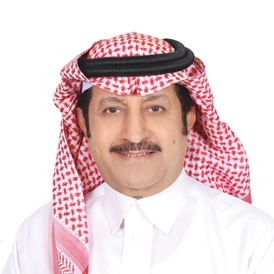
Ahead of his departure, Mr Aurangzeb held a meeting in Islamabad with the Saudi finance minister Mohammed bin Abdullah Al-Jadaan who also called on Prime Minister Shehbaz Sharif, reflecting continued support from Saudi Arabia at a time when Pakistan has announced plans to repay its outstanding debt to the UAE.
The government has recently announced its plans to repay $3.5 billion in debt to the UAE by the end of the current month, which had been rolling over since 2018.
To avert pressure on the country’s weak foreign reserves, Saudi Arabia and Qatar will provide Pakistan $5 billion in financial assistance, according to sources in the finance ministry.
Anadolu news agency, citing Pakistani officials, also reported the development, adding that Islamabad has sought additional support, including expansion of existing cash deposits and extension of its oil financing facility, which is due to expire later this month.
No formal agreements were announced during the meeting, officials said discussions on enhanced financial support had already been initiated between the finance ministries of the two countries, the agency said.
This additional support from Saudi Arabia and Qatar will help Pakistan to make all payments by the end of the current fiscal year.
The Saudi finance minister’s visit coincided with growing defence cooperation between the two countries, as Saudi Arabia confirmed on Saturday the arrival of the first batch of Pakistan Air Force personnel, along with fighter jets and support aircraft, at King Abdulaziz Air Base under a joint defence arrangement.
Saudi Arabia remains a major source of concessional financing for Pakistan, having rolled over deposits amounting to $5 billion so far. The IMF has stipulated that Pakistan’s three key bilateral creditors — Saudi Arabia, China and the UAE — must maintain their cash deposits with the country until the completion of the ongoing three-year programme. It seems the UAE will be replaced by Qatar.
Following a brief visit to Islamabad, Finance Minister Aurangzeb saw off his Saudi counterpart at Islamabad International Airport late last night after what officials described as a productive engagement.
On the occasion, the two leaders exchanged pleasantries and held a brief discussion on bilateral ties and ongoing economic cooperation between Pakistan and Saudi Arabia.
Mr Aurangzeb also expressed his intention to meet Mohammed Al-Jadaan again in Washington, underscoring the close and enduring partnership between the two countries.
‘Peace dividends’
A senior finance ministry official, speaking on condition of anonymity, said international lenders are increasingly mindful of Pakistan’s role in helping avert a wider regional crisis. He noted that ensuring uninterrupted oil supplies through the Strait of Hormuz, which accounts for nearly 20 per cent of global energy transit, remains central to global economic stability.
“We expect that these efforts will be recognised,” the official said, adding that Islamabad is looking for what he described as “peace dividends” in its engagements with global lenders.
Officials say Pakistan’s role in facilitating dialogue has also strengthened the credibility of its leadership, a factor they believe carries weight in ongoing engagements with international lenders. They say that just as Islamabad has demonstrated its capacity to help broker a ceasefire, it can also steer the economy towards stability and remain committed to agreed structural reforms.
They added that enhanced credibility could translate into a more accommodating approach by global lenders, with greater emphasis placed on overall economic performance rather than isolated shortfalls, such as revenue gaps or delays in specific reform measures.
Engagements in Washington
Officials in the finance ministry expressed optimism that Pakistan’s evolving role as a peace facilitator would help secure continued backing from key bilateral partners and, by extension, strengthen its position in dealings with global lenders.
An official statement from the finance ministry said Mr Aurangzeb is scheduled to hold more than 50 high-level engagements during his visit, including bilateral meetings, multilateral forums, policy dialogues, investment roundtables and media interactions, reflecting Pakistan’s active engagement with the global economic community.
Ahead of the Spring Meetings, he will visit Boston to attend the Pakistan Conference at Harvard University, where he will interact with academics, policymakers and the Pakistani diaspora, and present Pakistan’s economic outlook, reform trajectory and growth prospects.
In Washington, Mr Aurangzeb will represent Pakistan at key events hosted by the IMF and the World Bank Group, alongside a series of bilateral and multilateral meetings with global financial leaders and development partners. His schedule includes meetings with senior World Bank officials such as Anna Bjerde, Makhtar Diop and Tsutomu Yamamoto, as well as IMF leadership including Nigel Clarke and Jihad Azour to discuss macroeconomic outlook and reform progress.
Engagements with global financial institutions and investors include meetings with major firms such as Franklin Templeton, Rothschild & Co, Citibank and JPMorgan Chase, alongside interactions with partner countries including China, Saudi Arabia, United Arab Emirates, Turkiye and the United Kingdom.
The finance minister is set to participate in key forums, including the G24 Finance Ministers and Central Bank Governors meeting and the Coalition of Finance Ministers for Climate Action, along with high-level discussions on global economic stability, financial reforms and climate finance.
A key engagement will be Pakistan’s participation in a World Bank-hosted roundtable on digital social protection, where it will highlight its Government-to-Person payment systems, particularly the Benazir Income Support Programme.
Mr Aurangzeb will also attend investor roundtables organised by Jefferies, JPMorgan and Citibank, focusing on Pakistan’s improving macroeconomic indicators and investment potential, and participate in an event on Roshan Digital Accounts and remittances organised with the State Bank of Pakistan.
Published in Dawn, April 12th, 2026