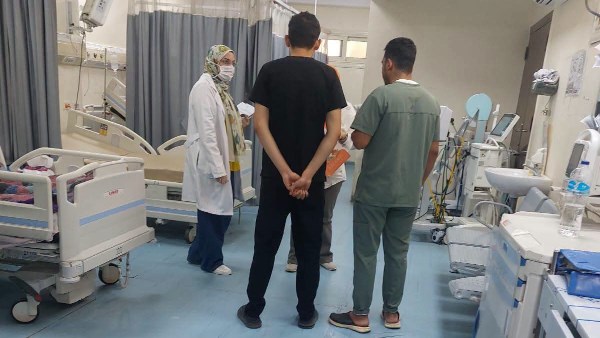
Rising Vaccine Exemptions: A Growing Concern
As the new school year approaches, a troubling trend has emerged in the United States: kindergarten vaccine exemptions have reached an all-time high. According to the latest reports from health departments across various states, the percentage of children entering kindergarten with exemptions has soared, igniting concerns among public health officials.
The Statistics Behind the Surge
Data from the CDC indicates that vaccination exemption rates have climbed to unprecedented levels in several states, with some reporting increases of over 5% compared to previous years. The rise is attributed to a combination of factors, including misinformation about vaccine safety, increasing parental skepticism toward traditional medical advice, and the rise of personal belief exemptions.
Impact on Herd Immunity
The increase in vaccine exemptions poses a significant threat to herd immunity, which is crucial for protecting vulnerable populations, including infants and immunocompromised individuals. Health experts warn that as more children opt out of vaccinations, the risk of outbreaks for vaccine-preventable diseases, such as measles and whooping cough, escalates. These diseases can spread rapidly in communities where vaccination rates fall below the necessary thresholds.
Public Health Response
In response to this alarming trend, health officials are ramping up efforts to educate parents about the importance of vaccinations. Campaigns aimed at dispelling myths surrounding vaccine safety and efficacy are being launched in hopes of reversing the trend. Additionally, some states are considering stricter laws regarding vaccine exemptions to ensure a higher rate of immunization in schools.
The Role of Misinformation
One of the significant contributors to the rise in vaccine exemptions is the pervasive misinformation circulating on social media platforms. Many parents are influenced by anecdotal stories and unverified claims that link vaccinations to various health issues. Public health officials emphasize that vaccines undergo extensive testing and monitoring for safety and effectiveness before they are approved for public use.
Community Engagement and Support
Community engagement is critical in addressing the vaccine exemption issue. Local health departments are collaborating with schools, pediatricians, and community leaders to foster open conversations about vaccines. By building trust and providing accurate information, health officials hope to reassure hesitant parents and encourage them to vaccinate their children.
The Future of Vaccination Rates
The future of vaccination rates in the United States hangs in a delicate balance. As the country continues to navigate the impacts of COVID-19, public discourse on health and science will play a vital role in shaping perceptions about vaccinations. Ensuring that children are vaccinated is not only a personal choice but also a collective responsibility to protect community health.
Conclusion
With kindergarten vaccine exemptions reaching record highs, urgent action is required to safeguard public health. It is imperative that parents, health officials, and communities work together to promote the benefits of vaccinations, ultimately ensuring the safety and well-being of all children.