⚡ عاجل: كريستيانو رونالدو يُتوّج كأفضل لاعب كرة قدم في العالم●⚡ أخبار عاجلة تتابعونها لحظة بلحظة على خبر●⚡ تابعوا آخر المستجدات والأحداث من حول العالم●
AI اقتراحات ذكية
AI مباشر|--مشاهد مباشر
1,071,734مقال401مصدر نشط228قناة مباشرة3,559خبر اليوم
آخر تحديث:منذ ثانيتين
Rain-induced breakouts and frizzy hair in the UAE? 10 expert-backed ways to keep both safe
•Rainy days might cool things down, but for your skin and hair, they bring a whole new set of challenges, which includes humidity, frizz,clogged pores, and even infections.
•According to dermatologist Dr Radha Nilesh Patil from Medcare Royal Speciality Hospital, the weather care is all about staying one step ahead of excess oil, dampness, and pollution.Here’s your easy, g...
•Cleanse smarter, not harsherDuring the rainy season, humidity levels rise, which naturally increases oil production in your skin.
هذا الخبر من Gulf News. خبر يقدم أدوات ذكاء اصطناعي للتلخيص والترجمة والاستماع.
Rainy days might cool things down, but for your skin and hair, they bring a whole new set of challenges, which includes humidity, frizz,clogged pores, and even infections. According to dermatologist Dr Radha Nilesh Patil from Medcare Royal Speciality Hospital, the weather care is all about staying one step ahead of excess oil, dampness, and pollution.
Here’s your easy, guide to looking fresh (not frazzled) all season long:
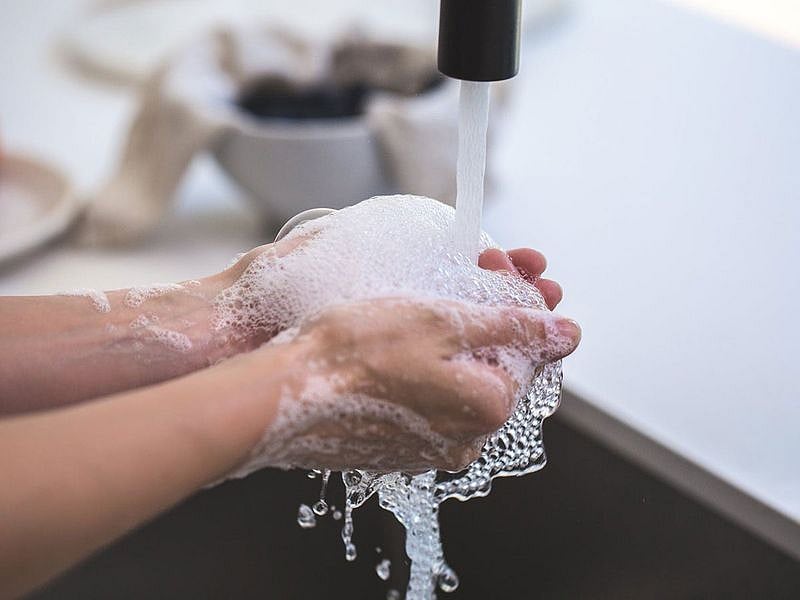
1. Cleanse smarter, not harsher
During the rainy season, humidity levels rise, which naturally increases oil production in your skin. This extra oil can mix with sweat, dirt, and pollutants in the air, leading to clogged pores, blackheads, and acne flare-ups. Simply scrubbing harder or using harsh soaps might seem like a solution, but it can actually strip the skin of its natural oils. This triggers your skin to produce even more oil, creating a vicious cycle of greasiness and breakouts.
Instead, choose a gentle, non-soap cleanser that effectively removes impurities without disrupting your skin’s natural barrier. Ingredients like glycerin, aloe vera, or mild surfactants help cleanse and soothe the skin at the same time. Washing your face more regularly, morning and evening, or after heavy sweating, helps prevent oil buildup, keeps pores clear, and reduces the chances of acne developing.
For extra protection, avoid hot water; lukewarm water is ideal as it cleanses without drying or irritating your skin. And remember, over-cleansing can be just as damaging as under-cleansing, so aim for balance: clean enough to remove grime, gentle enough to preserve your skin’s health.
And remember, over-cleansing can be just as damaging as under-cleansing, so aim for balance: clean enough to remove grime, gentle enough to preserve your skin’s health.
2. Exfoliate, but don’t overdo it
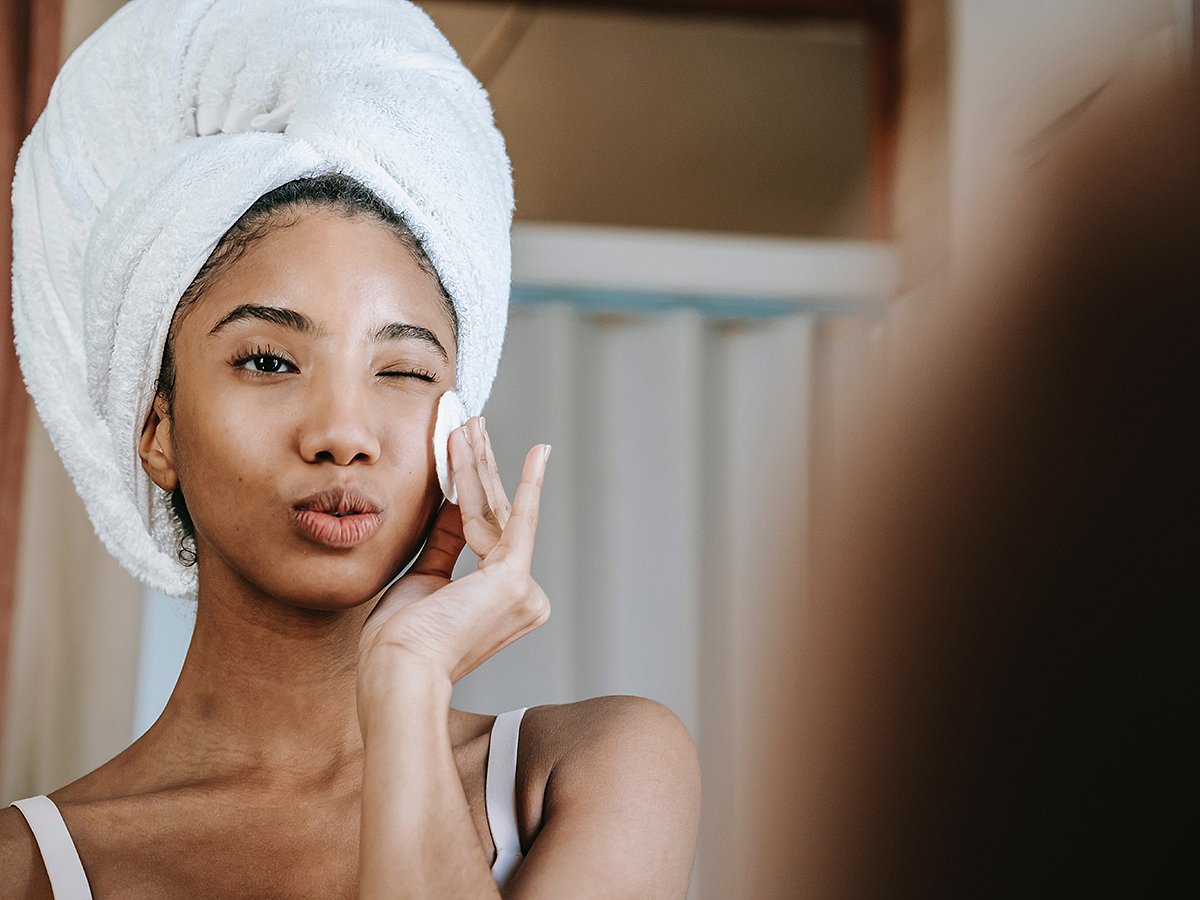
The weather often makes the skin feel sticky and congested as humidity slows down the natural shedding of dead skin cells. This can lead to a buildup of dead cells on the surface, which clogs pores, dulls your complexion, and increases the risk of breakouts. Regular exfoliation helps remove this layer, keeping your skin smooth, fresh, and more receptive to moisturisers and serums.
Aim to exfoliate 2–3 times a week using a gentle scrub or a chemical exfoliant with mild acids like lactic or glycolic acid. Physical scrubs can work, but choose ones with fine granules to avoid micro-tears in the skin. Avoid daily exfoliation, as overdoing it can damage the skin barrier, cause redness, and make your skin more sensitive to pollution and UV rays.
The idea is to exfoliate enough to remove dead cells and unclog pores while giving your skin time to recover and maintain its natural protective barrier.
Gentle exfoliation can help during the rainy season.
3. Switch to a lightweight moisturiser
Heavy creams or thick ointments can sit on the skin’s surface, mixing with sweat and oil, which can clog pores and lead to breakouts.
The solution: Opt for a lightweight, water-based, oil-free moisturiser. These formulations hydrate your skin effectively without adding extra greasiness or causing congestion. Look for ingredients like hyaluronic acid or glycerin, which attract and lock in moisture without leaving a heavy residue.
Apply the moisturiser right after cleansing or exfoliating while your skin is still slightly damp, this helps seal in hydration. A light moisturiser also allows your skin to “breathe,” making it easier to layer sunscreen or makeup without feeling sticky or weighed down.
The goal is balanced hydration: enough to keep your skin soft and supple, but not so much that it becomes a magnet for oil and dirt during the rainy season.
4. Never skip sunscreen (yes, even now)
Many people assume that rainy or cloudy days mean they can skip sunscreen, but that’s a misconception. Up to 80 per cent of UV rays can penetrate clouds, which means your skin is still at risk of sun damage, premature ageing, and even pigmentation, even when it feels cool and overcast outside.
During the rainy season, humidity and occasional rain can wash away sunscreen, so it’s important to choose a water-resistant or waterproof formula with at least SPF 30. Apply it generously on all exposed areas, including your face, neck, and hands. If you’re outdoors for extended periods, reapply every 3–4 hours to maintain protection.
Using sunscreen consistently also helps prevent sun-induced acne and pigmentation, which can worsen if combined with the oily, humid conditions of monsoon weather. Pairing a lightweight, non-comedogenic sunscreen with your moisturiser ensures you stay protected without feeling sticky or heavy.
5. Keep makeup minimal and breathable
High humidity during the rainy season can make even well-applied makeup feel heavy, sticky, and uncomfortable. Heavy or oil-based products are more likely to mix with sweat and excess sebum, which can clog pores, trigger breakouts, and irritate your skin.
The solution is to keep your makeup light and breathable. Opt for water-based, mineral, or waterproof formulas that allow your skin to stay comfortable while maintaining coverage. Mineral-based powders and foundations, for instance, are less likely to trap moisture and oil, reducing the risk of irritation or clogged pores.
If you’re using eye or lip products, choose waterproof options to prevent smudging in the rain. And wherever possible, embrace a minimal makeup approach, such as tinted moisturisers instead of full-coverage foundation, or a light BB cream instead of a heavy concealer.
6. Shield your hair from rainwater
Rain can carry pollutants, dirt, and acidic elements that can weaken hair strands, strip natural oils, and even lead to scalp irritation or hair loss over time.
The simplest and most effective way to protect your hair is prevention. Whenever you step out, use an umbrella, scarf, or hood to shield your hair from direct exposure. Even a lightweight scarf can act as a barrier against dust and acidic droplets, while keeping your hairstyle intact. And don't tie your hair if it gets damp, as that aggravates the breakage.
7. Wash immediately if you get drenched
Even if you take precautions, sometimes getting caught in a sudden downpour is unavoidable. Standing rainwater on your hair isn’t harmless—it can contain pollutants, dirt, and acidic elements that weaken hair strands, irritate the scalp, and even contribute to hair fall or breakage over time.
The best approach is to wash your hair as soon as possible after getting wet. Use a sulphate-free shampoo, which cleanses effectively without stripping the hair of its natural oils. Sulphate-free formulas are gentler, helping to remove contaminants while maintaining moisture and protecting your scalp’s natural barrier.
This step is especially important during the rainy season because damp hair that isn’t cleansed promptly can become a breeding ground for fungal infections, dandruff, and unpleasant odors. After washing, follow up with a conditioner or hair mask to restore hydration and prevent frizz, ensuring your hair remains healthy and manageable despite the unpredictable weather.
8. Fight scalp infections before they start
The rainy season’s high humidity doesn’t just affect your hair’s appearance, it also creates the ideal environment for scalp problems. Dampness can encourage the growth of fungi and bacteria, leading to dandruff, seborrheic dermatitis, or other scalp infections if left unchecked.
To stay ahead of these issues, use an antibacterial or antifungal shampoo occasionally. These shampoos help remove excess oil, dirt, and microbial buildup while keeping your scalp balanced and healthy. Look for ingredients like ketoconazole, tea tree oil, or zinc pyrithione, which are effective in controlling fungal activity and soothing irritation.
Even if your scalp appears healthy, you need to think ahead. Pair this with proper rinsing and drying after hair gets wet, and avoid leaving your hair damp for long periods. Taking these precautions ensures that your scalp remains clean, comfortable, and infection-free, helping your hair stay strong and frizz-free throughout the rainy season.
9. Condition to control frizz
Monsoon humidity can make hair frizz-prone, dry in some areas, and unruly overall. Skipping conditioner during this season is a common mistake, as it leaves hair vulnerable to moisture imbalance. When hair cuticles aren’t properly coated, they absorb excess humidity from the air, causing frizz, tangles, and a rough texture.
Using a good conditioner or a nourishing hair mask helps lock in moisture, smooth the hair cuticle, and reduce frizz. Look for conditioners with hydrating ingredients such as keratin, shea butter, or natural oils, which create a protective layer that keeps strands soft and manageable. Apply conditioner mainly to the mid-lengths and ends, where hair tends to be driest, and leave it on for a few minutes for maximum effect.
Regular conditioning also strengthens hair against breakage and minimises tangling, making it easier to comb or style without causing damage.
10. Go easy on heat styling
Excessive heat plus humidity can make hair more brittle and prone to damage. Stick to low or moderate heat when blow-drying, and avoid overstyling.
11. Use the right comb
Wet hair is at its most fragile, and rainy season dampness makes it even more prone to breakage and tangling. Using a regular fine-tooth comb or brushing aggressively can snap strands, create split ends, and worsen frizz.
The solution is to use a wide-tooth comb, which allows you to detangle gently without pulling or stressing the hair shaft. Start combing from the ends and slowly work your way up to the roots, which minimizes breakage and prevents unnecessary damage.
For extra care, detangle hair after applying conditioner or a leave-in serum, as this adds slip and reduces friction. By switching to the right comb and adopting a gentle technique, you can protect your hair, maintain its strength, and keep it looking smooth and healthy, even in humid, rainy conditions.
ملاحظة تحريرية | Editorial Note:
نُشر هذا المقال في الأصل بواسطة Gulf News.
خبر (Khabr) هي منصة إعلامية أردنية مرخّصة تعمل بالذكاء الاصطناعي.
نضيف قيمة تحريرية من خلال: تحليل ذكي للأخبار، ملخصات تلقائية، رواية صوتية بالذكاء الاصطناعي، ترجمة متعددة اللغات، وتدقيق الحقائق.
هدفنا جعل الأخبار أكثر وضوحاً وسهولةً للقارئ العربي.
This article was originally published by Gulf News.
Khabr is a licensed Jordanian AI-powered news platform (Registration #82086).
We add editorial value through: AI-powered news analysis, automated summaries, AI audio narration, multi-language translation (Arabic, English, French, Turkish), and AI fact-checking.
Our mission is to make news more accessible and understandable for Arabic-speaking audiences worldwide.
هذا الخبر ضمن تغطية خبر لقسم صحة.
نقدّم لك تحليلات ذكية وملخصات يومية لأهم الأخبار من مصادر موثوقة متعددة.
المصدر: Gulf News.
يوجد 6 مقالات مرتبطة بهذا الموضوع.
This article is part of Khabr's coverage of Health.
We provide AI-powered analysis, summaries, and multi-source aggregation to keep you informed.
Source: Gulf News.
Tags: hair care, frizzy hair, UAE, expert tips.
🍪 نستخدم ملفات تعريف الارتباط لتحسين تجربتك وعرض الإعلانات المخصصة. باستخدامك للموقع، فإنك توافق على سياسة ملفات تعريف الارتباط وسياسة الخصوصية.
We use cookies to enhance your experience and show personalized ads. By using this site, you agree to our Cookie Policy and Privacy Policy.
🔍
FREEFree 1GB Internet + Free International Calls
$1 trial — eSIM in 190+ countries — No roaming charges