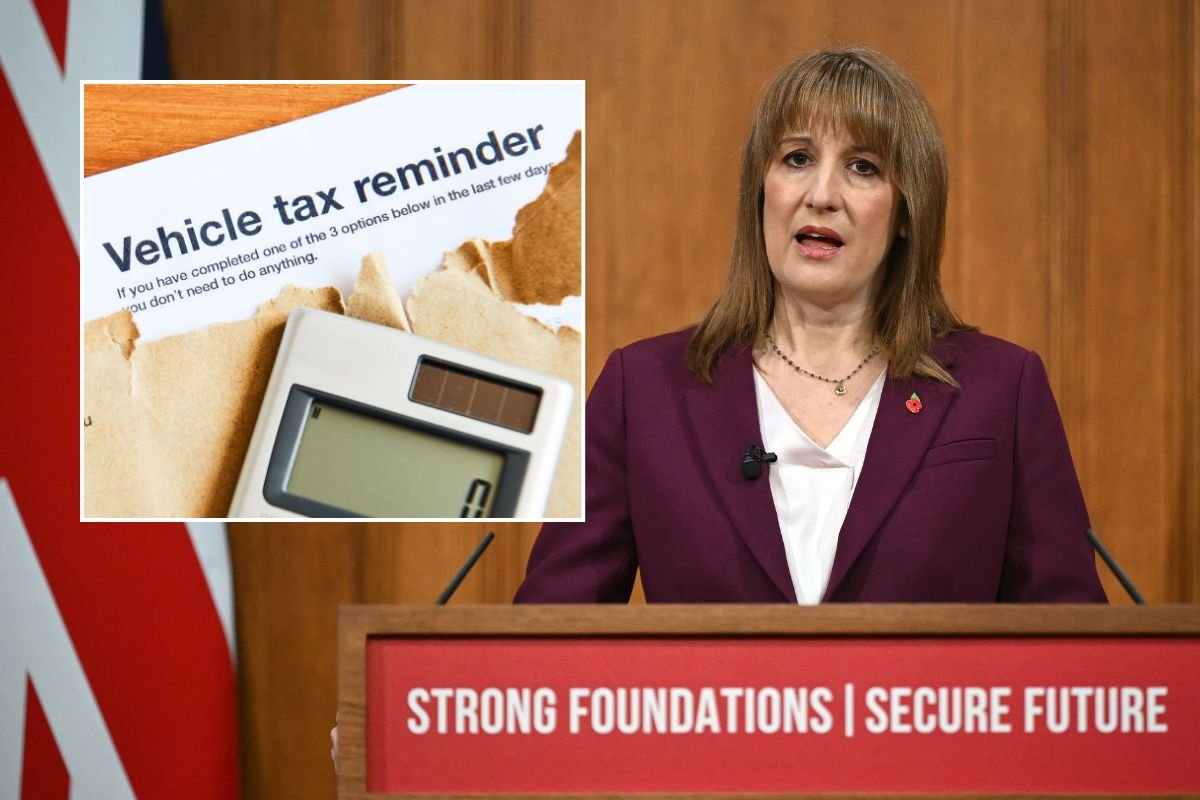
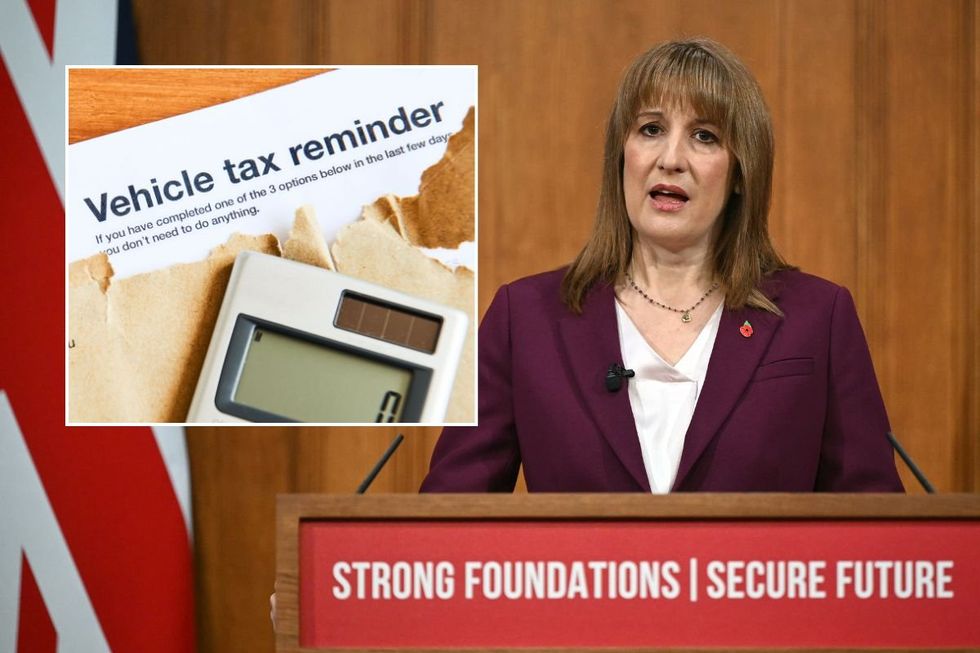
Rachel Reeves sparks 'two-tier' tax row with favourable EV rates as petrol and diesel drivers pay more
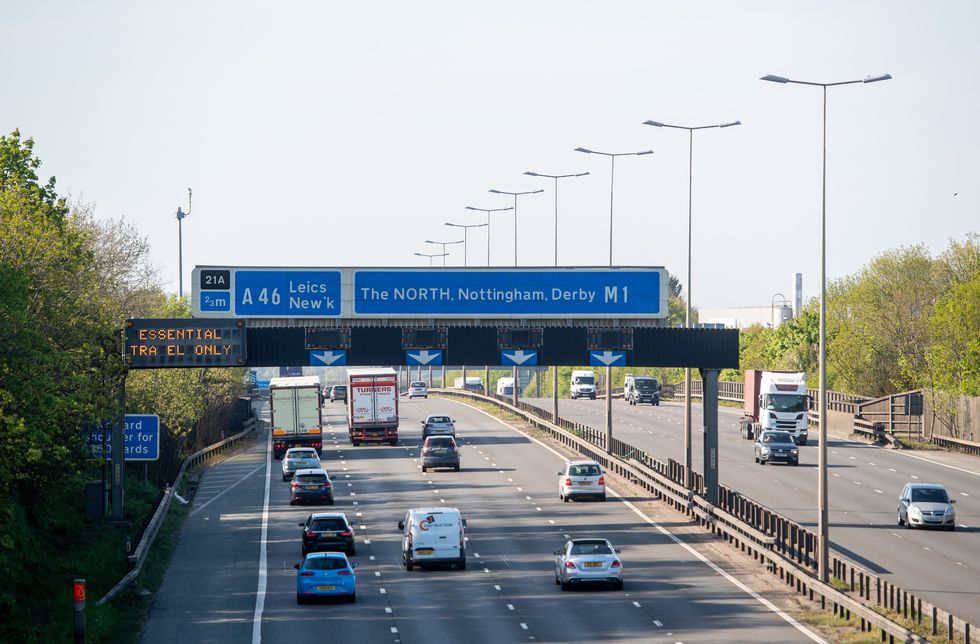
•Electric vehicle owners will face a new mileage-based tax that is lower than that for petrol and diesel drivers.
•The Electric Vehicle Excise Duty (eVED) will be implemented from April 1, 2028, with rates set at 3p per mile for electric cars.
•Critics argue that the new tax structure creates an unfair "two-tier" system favoring electric vehicle owners over traditional fuel drivers.
المصدر: GB News | Source: GB NewsElectric vehicle owners will face a new mileage-based tax, but their annual increases will be lower than those for petrol and diesel drivers under Labour's plans, prompting claims of a "two-tier" system.
At the Autumn Budget last year, Chancellor Rachel Reeves confirmed that the new Electric Vehicle Excise Duty (eVED) will come into force from April 1, 2028.
Under the new system, fully electric and hydrogen-powered cars will pay 3p per mile, while plug-in hybrid drivers will pay 1.5p per mile.
Unlike fuel duty and standard Vehicle Excise Duty, which will continue to rise in line with the Retail Price Index, eVED will increase each year in line with the Consumer Prices Index.
TRENDINGStoriesVideosYour SayAt present, CPI stands at 2.8 per cent, compared with RPI at 3.1 per cent, prompting concerns that the gap will widen over time.
Fuel duty currently costs motorists 52.95p per litre, equivalent to around 6p to 7p per mile for many drivers.
It has been frozen since 2011 but is due to rise by 3p per litre in January and another 2p in March before being linked to RPI.
The Office for National Statistics has previously described RPI as "a very poor measure" of inflation because it includes housing costs such as mortgage interest and council tax, unlike CPI.
Drivers will provide an odometer reading when renewing their tax, estimating how many miles they expect to drive and pay the full amount upfront or spread the cost across the year.
Labour said mileage reporting would be integrated into the existing DVLA vehicle tax renewal process and use MOT mileage records to help check the accuracy of drivers' estimates.
The Treasury said: "All vehicles contribute to congestion and wear and tear on the roads, but drivers of petrol and diesel vehicles pay fuel duty at the pump to contribute their fair share."
As more drivers switch to electric cars, fuel duty revenues are expected to fall, with eVED designed to replace some of that income over the long term.
LATEST DEVELOPMENTS
- Parking operators blasted over poor treatment of drivers with 'vague and unclear' fines
- Driving law changes to see new vehicle safety technologies installed in millions of cars
- Lorry driver with whiskey bottles in his cab sentenced after being SIX times over drink-drive limit
The Treasury expects the new tax to raise £1.1billion in 2028-29, rising to almost £1.9billion by 2030-31, with around 5.6 million electric vehicles expected to be affected in the first year.
Brian MacDowell, of the Alliance of British Drivers, told The Telegraph: "To create a tiered structure based on what powers [the vehicle] is simply unfair. Giving EV owners more favourable rates is an extortion for petrol and diesel drivers."
He added it was "another form of skulduggery from the Government when it comes to motoring taxes".
Steve Walker, from Auto Express, said: "There's no question that the proposed new road tax regime in the UK is a two-tier system that separates vehicles with plugs from the rest of the car world."
Sheena McGuinness, tax partner at RSM, also questioned the use of different inflation measures.
She said: "Using different inflation measures risks creating a widening gap over time, even if the monetary differences are relatively modest initially."
The British Vehicle Rental and Leasing Association criticised the complexity of the system, warning that this would be "another example of how fragmented and outdated our motoring tax system has become".
However, the Treasury has defended the policy, with a spokesperson stating the Government wanted the tax system to support the EV transition.
Our Standards: The GB News Editorial Charter
→Electric vehicle owners will face a new mileage-based tax that is lower than that for petrol and diesel drivers.
→The Electric Vehicle Excise Duty (eVED) will be implemented from April 1, 2028, with rates set at 3p per mile for electric cars.
ملاحظة تحريرية | Editorial Note: نُشر هذا المقال في الأصل بواسطة GB News. خبر (Khabr) هي منصة إعلامية أردنية مرخّصة تعمل بالذكاء الاصطناعي. نضيف قيمة تحريرية من خلال: تحليل ذكي للأخبار، ملخصات تلقائية، رواية صوتية بالذكاء الاصطناعي، ترجمة متعددة اللغات، وتدقيق الحقائق. هدفنا جعل الأخبار أكثر وضوحاً وسهولةً للقارئ العربي.
This article was originally published by GB News. Khabr is a licensed Jordanian AI-powered news platform (Registration #82086). We add editorial value through: AI-powered news analysis, automated summaries, AI audio narration, multi-language translation (Arabic, English, French, Turkish), and AI fact-checking. Our mission is to make news more accessible and understandable for Arabic-speaking audiences worldwide.