Pythons' extreme biology may hold clues for treating human disease
•NPR Science LISTEN & FOLLOW NPR App Apple Podcasts Spotify Amazon Music iHeart Radio YouTube Music RSS link Science Pythons' extreme biology may hold clues for treating human disease July 13, 20266:00...
•Ari Daniel for NPR hide caption toggle caption Ari Daniel for NPR For new discoveries, everyday mysteries, and the science behind the headlines, follow NPR's Short Wave podcast.
•When Skip Maas first adopted Agrapina, a mottled ball python, she hadn't eaten in 14 months.
هذا الخبر من NPR. خبر يقدم أدوات ذكاء اصطناعي للتلخيص والترجمة والاستماع.
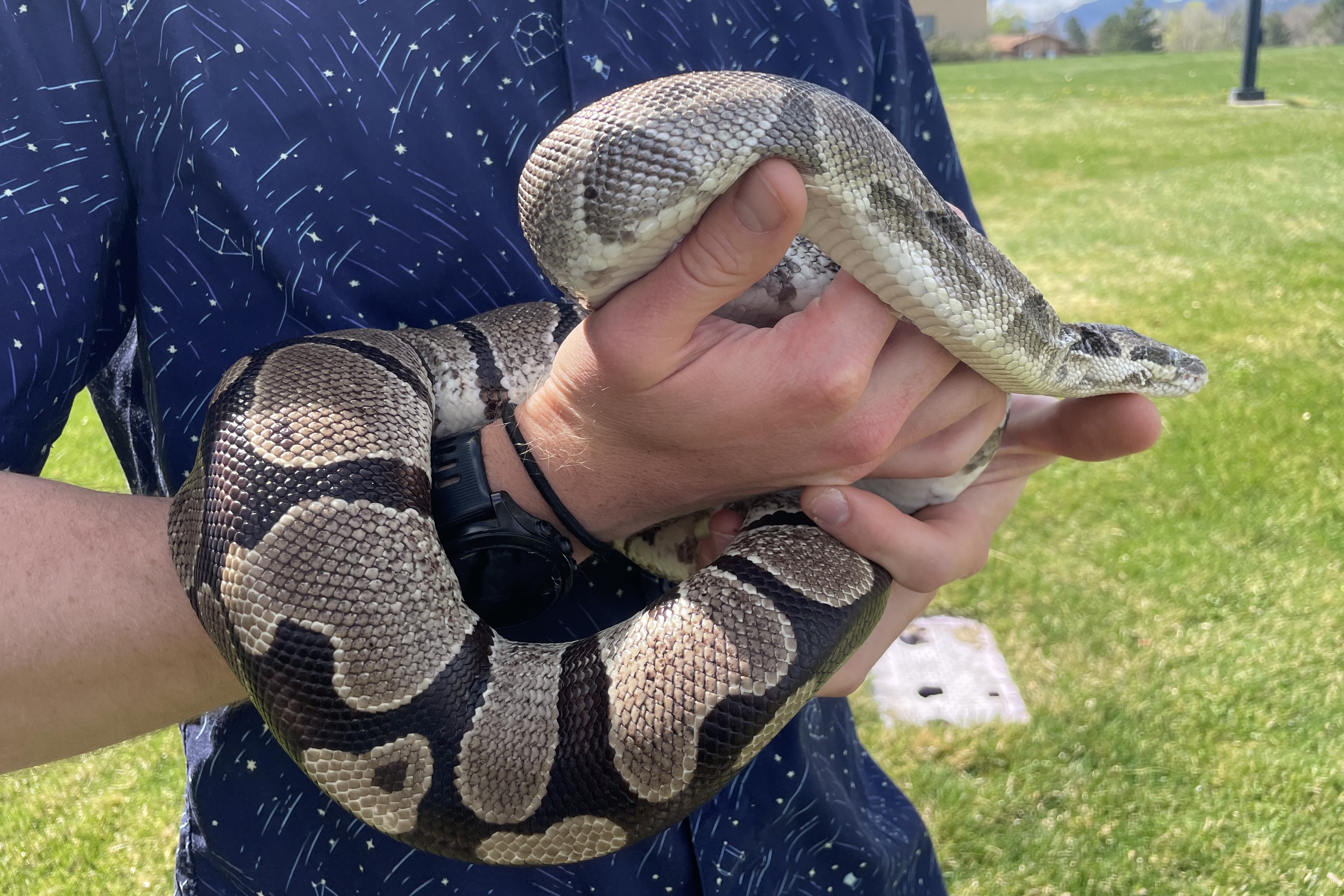
NPR Science LISTEN & FOLLOW NPR App Apple Podcasts Spotify Amazon Music iHeart Radio YouTube Music RSS link Science Pythons' extreme biology may hold clues for treating human disease July 13, 20266:00 AM ET Ari Daniel Pythons have several unusual traits that scientists are studying for potential clues for treating human disease. Ari Daniel for NPR hide caption toggle caption Ari Daniel for NPR For new discoveries, everyday mysteries, and the science behind the headlines, follow NPR's Short Wave podcast. When Skip Maas first adopted Agrapina, a mottled ball python, she hadn't eaten in 14 months. But as he soon observed, she was still a taut coil of spring-loaded muscle. Presented with a rat, she struck quickly, constricted it and then gorged on her meal. And then her body performed another feat pythons are known for: It accelerated its metabolism dramatically to deal with the sudden influx of protein and fats, says Maas, "to help break down that meal and extract all of its nutrients." Sponsor Message Science A new kind of robot swims the seas and soars the skies Most people prefer to keep their distance from pythons — and for good reason. A quick strike followed by relentless constriction can be lethal. But Maas, a molecular biologist at the University of Colorado Boulder, and his colleagues argue that these snakes may hold secrets that could help people live longer and better. In addition to being able to fast for weeks or months and still maintain muscle tone, they're able to grow and shrink their heart and other organs during feast and famine with seemingly no issue. Molecular biologist Skip Maas holds his pet ball python Agrapina alongside fellow python researchers Jack Gugel (left), Tommy Martin (right) and Yuxiao Tan (far right), in Boulder, Colo. Ari Daniel for NPR hide caption toggle caption Ari Daniel for NPR "It makes a lot of sense that pythons, because they live in such extreme environments, would have secrets that would apply to humans," says Leslie Lein...المصدر: NPR | Source: NPR
ملاحظة تحريرية | Editorial Note: نُشر هذا المقال في الأصل بواسطة NPR. خبر (Khabr) هي منصة إعلامية أردنية مرخّصة تعمل بالذكاء الاصطناعي. نضيف قيمة تحريرية من خلال: تحليل ذكي للأخبار، ملخصات تلقائية، رواية صوتية بالذكاء الاصطناعي، ترجمة متعددة اللغات، وتدقيق الحقائق. هدفنا جعل الأخبار أكثر وضوحاً وسهولةً للقارئ العربي.
This article was originally published by NPR. Khabr is a licensed Jordanian AI-powered news platform (Registration #82086). We add editorial value through: AI-powered news analysis, automated summaries, AI audio narration, multi-language translation (Arabic, English, French, Turkish), and AI fact-checking. Our mission is to make news more accessible and understandable for Arabic-speaking audiences worldwide.