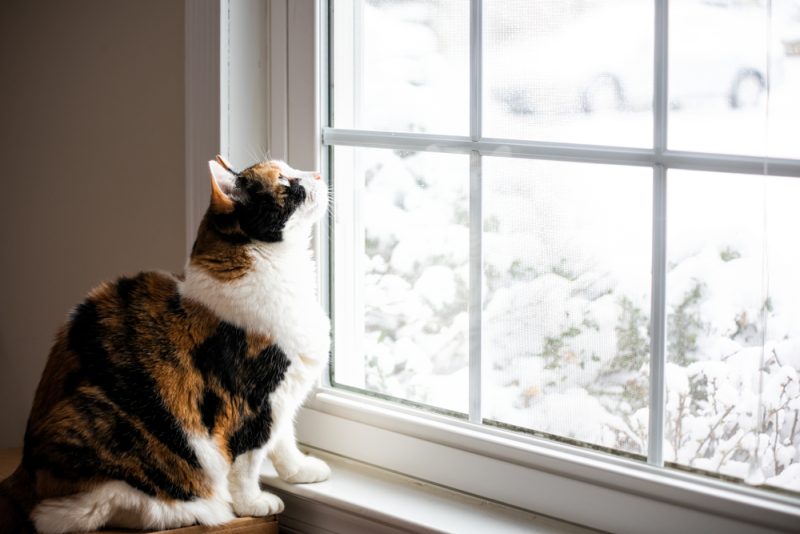
We know that indoor cats live longer and have significantly lower rates of illness and injury than those that spend part or all their lives outside, and, with appropriate exercise, company, and environmental enrichment, enjoy excellent quality of life as well. However, whether or not to keep cats indoors continues to be a divisive issue, with strong feelings on both sides of the debate, often influenced by geographical location. In countries like the United States or Australia, factors such as the risk of predation from other animals or the impact cats have had on native wildlife populations mean that keeping cats indoors tends to be the prevailing choice. By contrast, in many European countries, including the UK, preventing cats from venturing outside is largely seen as unnecessary, even cruel; however, this perspective is starting to change, with the percentage of UK cat owners keeping cats exclusively indoors jumping from around 15% in 2011 to over 26% in 2019.1
One of the main objections to having an indoor kitty is the fear that they may not be happy or fulfilled if they cannot wander and roam. Another source of hesitation for many pet parents is the worry about how difficult it would be to transition a cat from a lifestyle of freedom to one of relative confinement. However, research into this particular conundrum suggests that this worry is largely unfounded.
Cat-Astrophizing
If the thought of enduring weeks or months of yowling at doors, shredded curtains, ‘revenge pooping’, or, most worryingly, a cat that never forgives you has put you off bringing your outdoor cat inside for good, new research says you’ve probably been catastrophizing. In a survey conducted by a team from the University of Adelaide, almost 70% of pet parents who made the switch from outdoor access to indoor-only living said the transition went more smoothly than they expected, with three-quarters planning to keep every future cat indoors. The results, published in Applied Animal Behaviour Science, tell a much calmer story than the one most of us might imagine, which, for anyone grappling with the potential guilt of bringing their cats indoors, may come as welcome news.
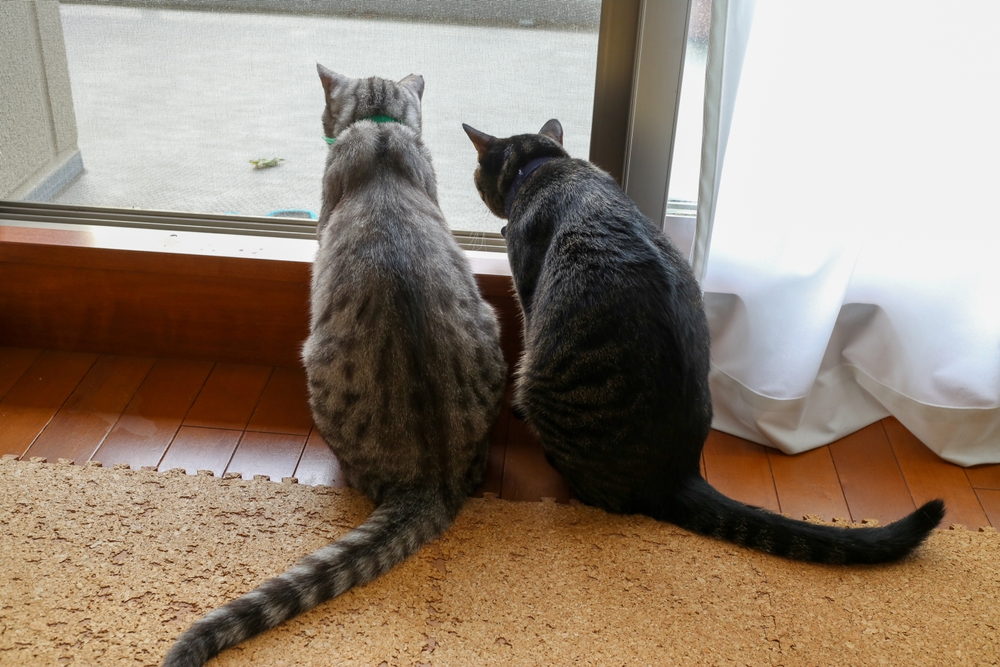
The Multiply-Your-Worry-by-Seven Instinct
Pet parents dread this transition for reasons that make sense on paper. Cats are territorial, routine-driven, and famously unimpressed by change, so it’s easy to assume that closing the door for good will be met with protest. Add in genuine concern about “taking away” a life the cat seemed to enjoy, and a lot of pet parents simply put it off.
Lead researcher Dr. Julia Henning put it plainly: “Our findings challenge the perception that cats cannot adapt to an indoor lifestyle.” Pet parents in the study weren’t wrong to expect some friction, particularly in the first few weeks, but most said the difficulty was temporary and the payoff was worth it. Safety was the top reason pet parents made the move in the first place, cited by 77%, with concern for local wildlife and household relocations each cited by about a third.
Unplanned, Unprepared, Unphased
Arguably, the most surprising feature of the results was that almost half the transitions were unplanned – no step-by-step schedule, no weeks of prep, no Pinterest board of enrichment ideas. More than a third of pet parents were forced into this change by something sudden – a medical diagnosis, a safety scare, an unexpected move – and, even more surprising, these cases still landed in the “easier than I thought” camp.
As veterinarians, we generally coach pet parents toward a gradual transition when time allows: build up the indoor environment first, then shrink outdoor access in stages rather than slamming the door shut overnight. This study doesn’t overturn that advice, but it’s genuinely reassuring for the pet parent who doesn’t get the luxury of a slow rollout because their cat broke their leg or the lease fell through, and the decision has to happen now.
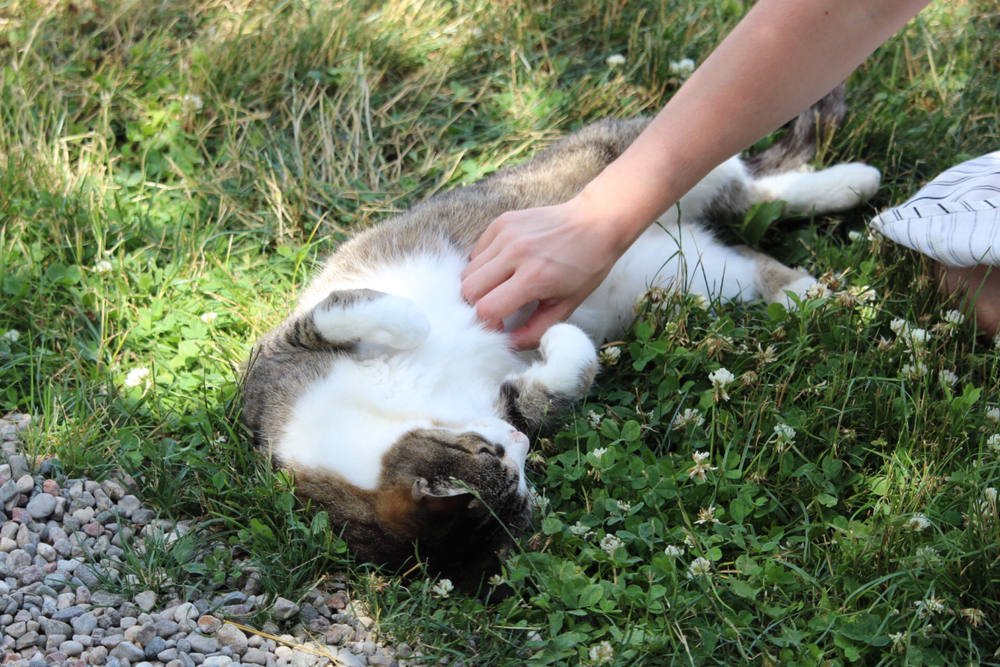
Adjusting Can Take More Than Just Time
More than 40% of cats settled in almost immediately; about a quarter needed a few weeks, and 13% still hadn’t fully adjusted by the time pet parents filled out the survey. However, 80% of those were still giving their cats partial outdoor access, and owner-perceived happiness was considerably higher in cats that had been living indoors for over a year compared with those who were relatively new to their altered lifestyle.
Although this suggests that most cats just need time to adjust, the level of unhappiness, as rated by the humans who know them best, is an important factor. A cat who’s still pacing at the window one month in isn’t “just adjusting”; they may need a genuinely different approach, and that’s where calming supplements, pheromones, and a conversation with your vet should be considered.
Age mattered too. Cats moved indoors before their second birthday adjusted noticeably faster than their older housemates, which tracks with what we already know about behavioral flexibility declining a bit with age. That’s not an argument for leaving a senior cat outdoors; it’s an argument for patience and for leaning harder on enrichment when the cat in question remembers a decade of sunbathing on the porch.
What Really Worked
Every cat and every situation is unique, but the researchers noted that the households reporting the smoothest transition from outdoor to indoor life showed some similarities in their approach. It wasn’t complicated planning, expensive equipment, or closely-guarded secrets; it was basic environmental enrichment.
The strategies that had the most positive impact on this transition were the same tools and techniques recommended for any indoor cat. Vertical space to climb, scratching posts, food puzzles, and dedicated play sessions that let a cat stalk, pounce, and “kill” something that isn’t your ankle. Pet parents who invested here reported an easier ride, which lines up with something we’ve been saying for years: an indoor cat isn’t a bored outdoor cat in a smaller box. When done right, the life of an indoor cat can be as enriching and exciting as one spent outdoors, but with the benefits of being safer and less detrimental to the local ecosystem. The hunting, climbing, and exploration might look a little different, but given the right environment, the behaviors are all still there.
You might find yourself spending more on cat litter, toys, and climbing trees, but as 36% of surveyed pet parents noted, the vet bills go down, which is a pretty good trade-off.
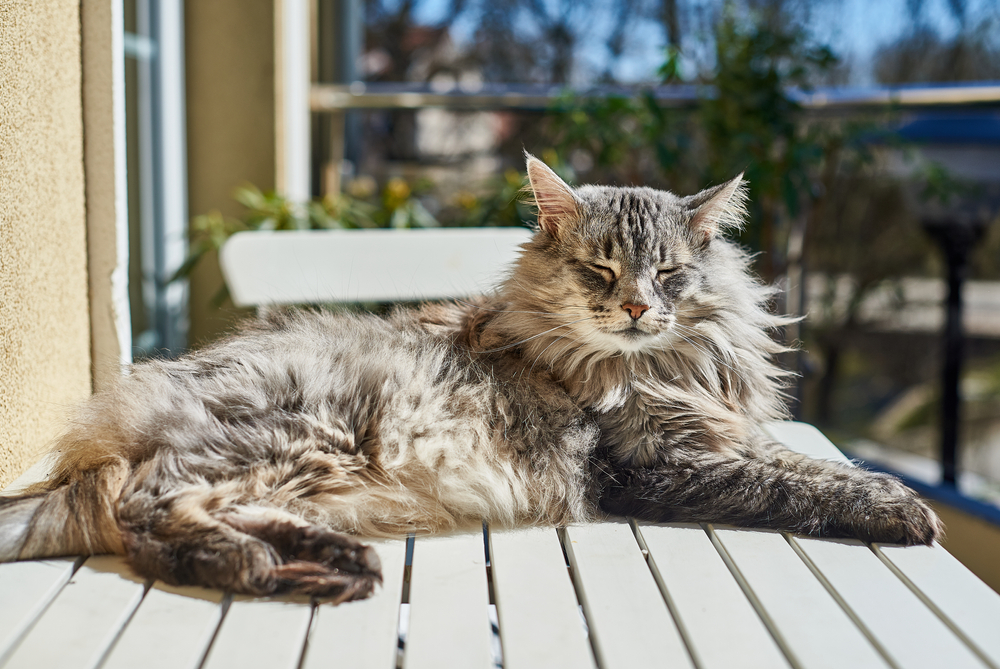
Guilt is the Hardest Part to Treat
Pet parents in this study described lingering worry about whether they’d taken something away from their cat, even as most reported barely any lasting behavioral change beyond a bit more vocalizing or attention-seeking, which, frankly, most of us would take as a positive. The fact remains that, for pet parents wrestling with this decision, the guilt is real, but it rarely reflects reality.
Study co-author Dr. Susan Hazel summed up the real finding here: successful transitions depend on supporting the pet parent almost as much as the cat. Reassurance that the rough first weeks are temporary may be the single most useful piece of advice you can offer, right alongside getting a cat tree.
So if you’re debating whether your decision to keep your cat indoors will ruin their life and your relationship with them: the data says probably not. Give it a few weeks, a few climbing shelves, and a little grace for both of you.
After all, it’s natural for parents to feel guilty about setting boundaries, even when it’s for the best, and even if it’s for our cats!
Feature Image Credit: Kristi Blokhin, Shutterstock
Did You Know?
- Our brand-new posts are rounded up and included in our weekly emails. Don’t miss out on the latest – sign up for our newsletter below!