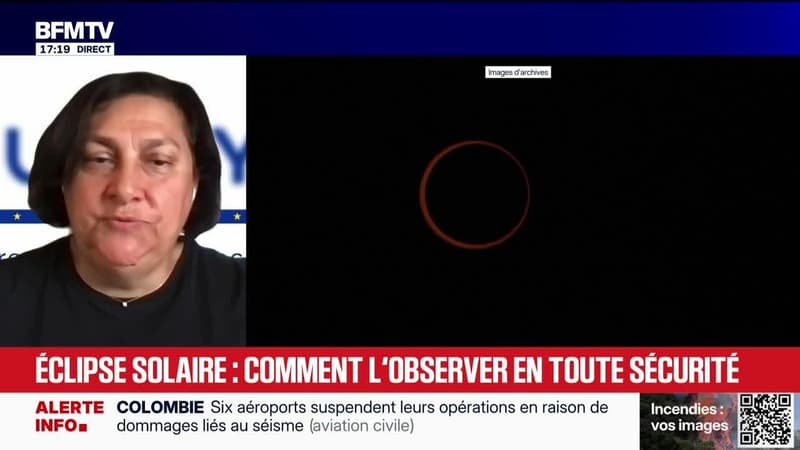
Anticipation Grows for the August 12, 2026 Total Solar Eclipse
The total solar eclipse slated for August 12, 2026, is just around the corner, with only two days to go until the astronomical event captivates the nation. This phenomenon will allow millions across the United States to experience a moment when day turns into night, albeit temporarily. Total solar eclipses are rare occurrences, and this particular event is expected to attract skywatchers, families, and tourists eager to witness the breathtaking beauty of nature.
Understanding the Path of Totality
The path of totality—the narrow track where the moon completely obscures the sun—will sweep across various states in the U.S., including parts of Texas, Oklahoma, and Arkansas. Observers situated within this path will be treated to a dramatic view where the sun is entirely covered for a few minutes, plunging daylight into darkness. For those outside the path, a partial solar eclipse will still be visible, but the full effect is undoubtedly a once-in-a-lifetime experience.
Preparing for the Eclipse: Tips for Safety and Enjoyment
As the countdown to the total solar eclipse continues, experts emphasize the importance of safety in solar viewing. Using proper eclipse glasses is crucial to protect your eyes from harmful solar rays. Regular sunglasses, no matter how dark, are not safe for viewing the sun. Look for glasses that meet the ISO 12312-2 international safety standard.
In addition to protective eyewear, enthusiasts are encouraged to plan their viewing locations ahead of time. Traffic around popular viewing spots is expected to be heavy, so arriving early can make all the difference in securing a good vantage point. Many parks and observatories are hosting special events, offering educational talks and activities for families and kids.
The Scientific Significance of Eclipses
Total solar eclipses are not only stunning visual experiences but also provide valuable opportunities for scientific research. During the brief moments of totality, scientists can study the sun's corona, the outer atmosphere, which is typically obscured by the bright light of the sun. These studies contribute to our understanding of solar phenomena and their impact on Earth's climate and technology.
Join the Celebration: Events Across the Country
In anticipation of the eclipse, various events are being organized across the nation. Museums, planetariums, and science centers are hosting viewing parties and educational sessions to help attendees understand the science behind the eclipse. Local communities are also coming together to celebrate with festivals and gatherings, making this not just a viewing experience but a communal celebration of science and nature.
Final Thoughts as the Eclipse Approaches
As we approach the total solar eclipse on August 12, 2026, the excitement is palpable. It’s a chance for families to bond over a shared experience, for educators to inspire curiosity in young minds, and for those passionate about astronomy to delve deeper into the wonders of our universe. Remember to prepare, stay safe, and enjoy this incredible spectacle!