Pickaxe Mountain revives the Kahuta question: Could India have hit Pakistan’s nuclear leap?
•The West Asia conflict highlights Iran’s nuclear ambitions and US-Israeli efforts to block them.
•Pickaxe Mountain, housing hidden nuclear facilities, has become a focal point.
•Strikes on Natanz in 2025 echoed earlier pre-emptive attacks on nuclear programmes worldwide, from Allied raids on Germany’s heavy-water plant in WWII to Israel’s operations against Iraq’s Osiraq reac...
هذا الخبر من Times of India. خبر يقدم أدوات ذكاء اصطناعي للتلخيص والترجمة والاستماع.
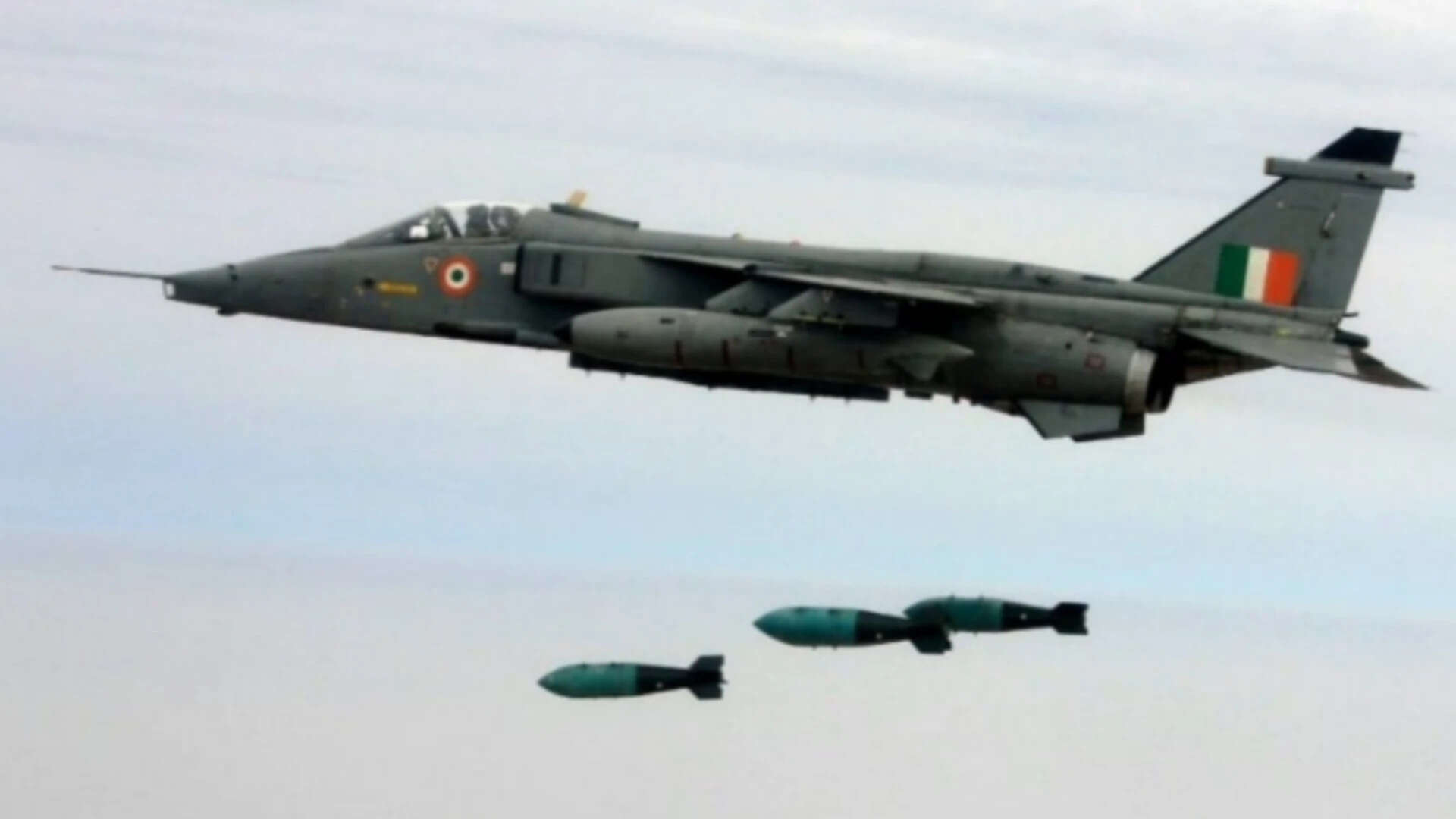
The West Asia conflict highlights Iran’s nuclear ambitions and US-Israeli efforts to block them. Pickaxe Mountain, housing hidden nuclear facilities, has become a focal point. Strikes on Natanz in 2025 echoed earlier pre-emptive attacks on nuclear programmes worldwide, from Allied raids on Germany’s heavy-water plant in WWII to Israel’s operations against Iraq’s Osiraq reactor (1981) and Syria’s al-Kibar site (2007). India, however, refrained from striking Pakistan’s Kahuta facility in the 1980s, a decision that enabled Pakistan’s nuclearisation. To avoid escalation, India and Pakistan signed a 1988 accord prohibiting attacks on nuclear sites. India now prioritises survivability through layered missile defence projects.المصدر: Times of India | Source: Times of India
ملاحظة تحريرية | Editorial Note: نُشر هذا المقال في الأصل بواسطة Times of India. خبر (Khabr) هي منصة إعلامية أردنية مرخّصة تعمل بالذكاء الاصطناعي. نضيف قيمة تحريرية من خلال: تحليل ذكي للأخبار، ملخصات تلقائية، رواية صوتية بالذكاء الاصطناعي، ترجمة متعددة اللغات، وتدقيق الحقائق. هدفنا جعل الأخبار أكثر وضوحاً وسهولةً للقارئ العربي.
This article was originally published by Times of India. Khabr is a licensed Jordanian AI-powered news platform (Registration #82086). We add editorial value through: AI-powered news analysis, automated summaries, AI audio narration, multi-language translation (Arabic, English, French, Turkish), and AI fact-checking. Our mission is to make news more accessible and understandable for Arabic-speaking audiences worldwide.