[Editor's Note: Follow Khaleej Times live blog amid US-Israel-Iran ceasefire for the latest regional developments.]
Retired Philippine Army Sgt Lito Panganiban is among the millions of Filipinos worried about prices of maintenance medicines for his hypertension and other ailments as the situation in the Middle East continue to impact the country.
As someone who receives P12,000 (Dh750) per month as pension, Panganiban is relying on his almost three decades experience as a soldier to strategize his way around the sharp increase in prices of commodities.
“As it is, I am cutting back on food expenses. I have taken to cooking mostly chicken to last me for several meals. My favorite vegetables are more expensive nowadays,” he said.
It is good that as a village councilor, he receives an honorarium that is half of what his monthly pension is worth.
“But with the way things are going, I only see harder times ahead,” the former sergeant told Khaleej Times.
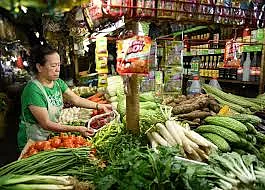
At a public market in Isabela province north of Manila, Mila, a vegetable vendor echoed Panganiban’s sentiments, admitting that they sell vegetable in smaller portions as before.
“I do not like what this war is doing to us. Gone are the days that we could give out extras to our loyal customers. It makes me feel ungenerous; it is unlike we are accustomed to,” she said.
No immediate effect from ceasefire
Philippine authorities revealed that inflation in the country has accelerated to 4.1 per cent in March, a significant increase from 2.4 percent in February before the Middle East war exploded.
The Philippine Statistics Authority (PSA) made the admission as the US-Israel-Iran aggression has entered into its second month, sparking unprecedented fuel price increases.
The PSA said the main driver in the spike is a sharp rise in transport costs that also pushed higher prices in food and beverages, as well as increased electricity charges.
Inflation is even worse among the bottom 30 per cent of households in the Philippines at 4.2 per cent, up from 2.5 percent the month previous.
Purchasing power for the Philippine peso also dived by P0.75 in March.
Philippine National Statistician Claire Dennis Mapa noted that inflation is likely to remain high in this month.
The country’s central bank, the Bangko Sentral ng Pilipinas (BSP) has signified the Marcos government may need to tighten policy if inflationary pressures from oil price hikes persist despite a two-week ceasefire declaration by US President Donald Trump.
What does it mean to poor Filipinos?
A 4.1% inflation rate, particularly when it surges quickly as it did last month, acts as a significant shock to a poor or developing economy like the Philippines.
While minimum wage in the Philippines remains at a dismal P700 (Dh42.70), a 32.35 per cent jump in basic expenses like fuel severely erodes an average Filipino family’s purchasing power.
It could only get worse in the Philippines this year, as the Department of Labor and Employment (DOLE) announced there will be no nationwide, across-the-board minimum wage increase for Labor Day on May 1.
DOLE Undersecretary Benedicto Ernesto Bitonio Jr. confirmed on Monday the Ferdinand Marcos Jr. government will not grant wage hikes, despite demands from labor groups.
Meanwhile, Deputy Minority Leader and Rep. Antonio Tinio called on the government to approve an immediate increase in teachers’s economic relief allowance while fuel prices continue to spike and push up transport fares and basic commodity prices.
“Teachers cannot eat press statements denying the crisis,” Tinio said. “With March inflation at 4.1%—a huge jump from 2.4% in February—every peso of a teacher’s pay buys less. Combined with relentless oil price hikes, this is an emergency for educators and public servants. PERA must be increased now,” Tinio said.
Tinio slammed Malacañang for downplaying the worsening fuel situation even as diesel prices reportedly surged to as high as nearly P170 per liter in parts of Metro Manila, triggering a domino effect on transportation costs, electricity, food, and other essentials.