⚡ عاجل: كريستيانو رونالدو يُتوّج كأفضل لاعب كرة قدم في العالم●⚡ أخبار عاجلة تتابعونها لحظة بلحظة على خبر●⚡ تابعوا آخر المستجدات والأحداث من حول العالم●
AI اقتراحات ذكية
AI مباشر|--مشاهد مباشر
1,078,506مقال401مصدر نشط228قناة مباشرة4,015خبر اليوم
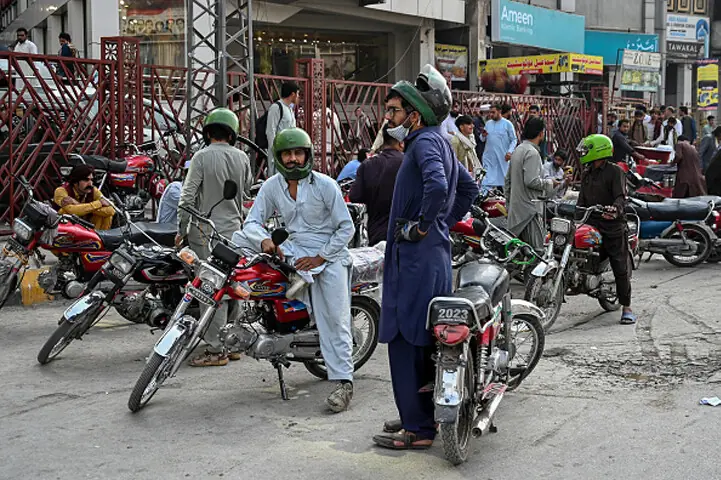
•Daily fuel costs for ride-hailing bikers and drivers have surged, increasing operational expenses.—AFP/file
• Yango costs rise 64pc; Islamabad fares up 35pc• Commuters turn to carpooling groups•...
•After the first jump in petrol prices following the US and Israel’s attack on Iran, fares surged to as high as Rs1,800 during peak hours.
•At the time, the easiest explanation lay in the first fuel price hike triggered by the war that amounted to a Rs55 jump in the first week of March.
هذا الخبر من Dawn. خبر يقدم أدوات ذكاء اصطناعي للتلخيص والترجمة والاستماع.
Daily fuel costs for ride-hailing bikers and drivers have surged, increasing operational expenses.—AFP/file
• Yango costs rise 64pc; Islamabad fares up 35pc • Commuters turn to carpooling groups • WhatsApp hubs grow as safety fears limit shared rides • Petrol prices have surged to Rs415 per litre from Rs253 in February
KARACHI: “The rates seem to have doubled,” said Namrah, who used to pay Rs600-650 to commute from Nazimabad to Tipu Sultan using ride-sharing services. After the first jump in petrol prices following the US and Israel’s attack on Iran, fares surged to as high as Rs1,800 during peak hours.
At the time, the easiest explanation lay in the first fuel price hike triggered by the war that amounted to a Rs55 jump in the first week of March. However, the initial increases also coincided with Ramazan and Eid, when many drivers had gone home or were not accepting rides, creating a shortage that pushed prices even higher. Combined with the psychological impact of rising fuel costs, the mobility sector saw fare surges that now appear to have settled at elevated levels. Today, Namrah pays up to Rs1,000 during peak hours, with an average commute cost of around Rs700.
Namrah joined the WhatsApp group CommUnityX to explore carpooling options. Originally formed as a networking group, it also serves as a hub for ride-sharing after its administrator, Ameeque Malik, suggested that its 600-plus members look for solutions among themselves rather than limit discussions to venting frustrations over rising costs.
Built on a similar concept, Carpool Pakistan aligns routes and pools commuters based on their pick-up and drop-off points, says HR executive Hamnah, who also joined CommUnityX to explore shared-ride options.
While carpooling has its merits, it also raises concerns. “I joined the group to find carpool options, but I do not have regular hours, which makes carpooling tricky,” says Namrah. “Plus, there are safety concerns.” In the same WhatsApp group, several messages warn women in particular to be cautious about getting into cars with strangers.
Given the limited availability of safe public transport, ‘ride-hailing remains a vital option due to its convenience, reliability, and access to safer mobility choices for women,’ says inDrive.
‘Earning what you are burning’
Recently, Prime Minister Shehbaz Sharif said the country’s weekly fuel bill had risen to $800 million from $300m. The latest fuel hike pushed petrol prices up by Rs15 to Rs415 per litre, further fanning inflationary pressures that are rippling across sectors, including ride-sharing services.
On average, a single Yango vehicle undergoes two oil changes per month and covers 200-250 km per day. For a small hatchback such as the Suzuki Alto or Suzuki Cultus, that translates to about 15 litres of petrol per day.
On February 27, before the first US bomb fell on Iran, petrol was priced at Rs253 per litre. It now stands at Rs415. This pushes the daily fuel cost for a ride-sharing car from Rs3,795 to Rs6,225 — a 64pc increase that is ultimately passed on to customers.
While in Karachi and Lahore, the cumulative fare changes are up to 20pc, in Islamabad and Rawalpindi, rates have increased up to 35pc, says Yango’s spokesperson, attributing it to longer average trip distances and higher fuel consumption per ride.
“We are burning what we are earning,” says Namrah, who estimated she spent about Rs22,000 a month on commuting, before the last two petrol price hikes. “I can’t get on a Bykea ride because there are no female riders. Going in a rickshaw means showing up to work in a dishevelled state,” she laments.
Similarly, Hamnah’s monthly commute bill has risen from Rs18,000 to Rs23,000, often supplemented with Yango or inDrive on days requiring late sittings. “Our commute expenses have gone up, but our salaries have not,” she says ruefully.
Changing demand patterns
One cannot quit a job because the commute has become too expensive. And while the government has announced work-from-home measures, many companies still require employees to be physically present in offices.
Overall mobility demand remains strong as ride-hailing continues to be a daily necessity for many commuters.
ملاحظة تحريرية | Editorial Note:
نُشر هذا المقال في الأصل بواسطة Dawn.
خبر (Khabr) هي منصة إعلامية أردنية مرخّصة تعمل بالذكاء الاصطناعي.
نضيف قيمة تحريرية من خلال: تحليل ذكي للأخبار، ملخصات تلقائية، رواية صوتية بالذكاء الاصطناعي، ترجمة متعددة اللغات، وتدقيق الحقائق.
هدفنا جعل الأخبار أكثر وضوحاً وسهولةً للقارئ العربي.
This article was originally published by Dawn.
Khabr is a licensed Jordanian AI-powered news platform (Registration #82086).
We add editorial value through: AI-powered news analysis, automated summaries, AI audio narration, multi-language translation (Arabic, English, French, Turkish), and AI fact-checking.
Our mission is to make news more accessible and understandable for Arabic-speaking audiences worldwide.
هذا الخبر ضمن تغطية خبر لقسم اقتصاد.
نقدّم لك تحليلات ذكية وملخصات يومية لأهم الأخبار من مصادر موثوقة متعددة.
المصدر: Dawn.
يوجد 6 مقالات مرتبطة بهذا الموضوع.
This article is part of Khabr's coverage of Economy.
We provide AI-powered analysis, summaries, and multi-source aggregation to keep you informed.
Source: Dawn.
Tags: petrol prices, transportation, fares.
🍪 نستخدم ملفات تعريف الارتباط لتحسين تجربتك وعرض الإعلانات المخصصة. باستخدامك للموقع، فإنك توافق على سياسة ملفات تعريف الارتباط وسياسة الخصوصية.
We use cookies to enhance your experience and show personalized ads. By using this site, you agree to our Cookie Policy and Privacy Policy.
🔍
FREEFree 1GB Internet + Free International Calls
$1 trial — eSIM in 190+ countries — No roaming charges