⚡ عاجل: كريستيانو رونالدو يُتوّج كأفضل لاعب كرة قدم في العالم●⚡ أخبار عاجلة تتابعونها لحظة بلحظة على خبر●⚡ تابعوا آخر المستجدات والأحداث من حول العالم●
AI اقتراحات ذكية
AI مباشر|--مشاهد مباشر
1,078,506مقال401مصدر نشط228قناة مباشرة4,015خبر اليوم
آخر تحديث:منذ ثانيتين
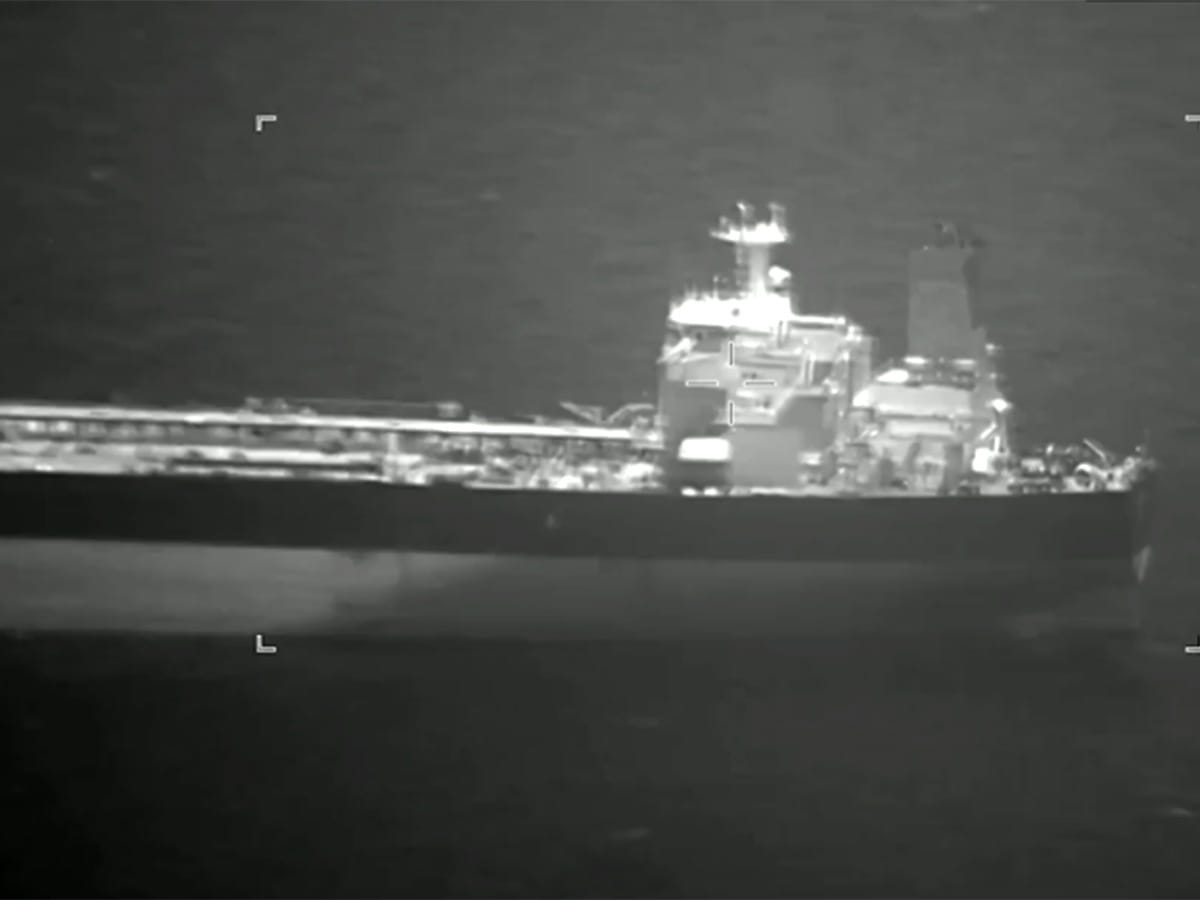
Pentagon releases video of US strike on Iranian tankers
•The US military said its forces disabled two Iranian-flagged oil tankers in the Gulf of Oman after a confrontation with Iranian forces near the Strait of Hormuz, one of the world’s most important ship...
•The tankers, identified as M/T Sea Star III and M/T Sevda, were reportedly prevented from entering Iranian ports.Fighter jets used in operationAccording to CENTCOM, a US Navy F/A-18 Super Hornet launc...
•The fighter jet fired precision munitions at the tankers’ smokestacks, disabling the vessels without sinking them.The US military said the ships were “non-compliant” and claimed the action stopped the...
هذا الخبر من Gulf News. خبر يقدم أدوات ذكاء اصطناعي للتلخيص والترجمة والاستماع.
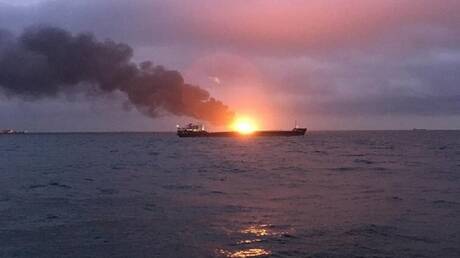
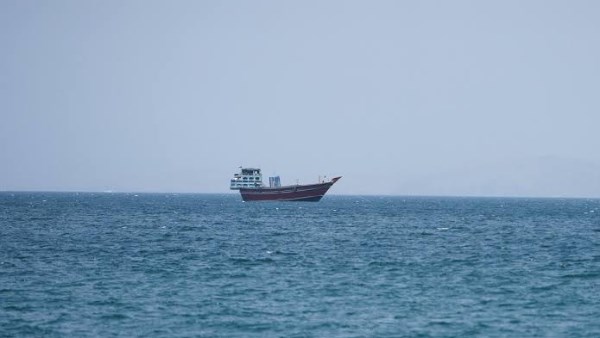
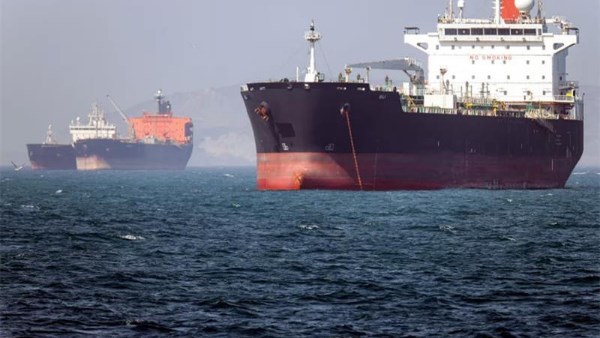
The US military said its forces disabled two Iranian-flagged oil tankers in the Gulf of Oman after a confrontation with Iranian forces near the Strait of Hormuz, one of the world’s most important shipping routes.
US Central Command (CENTCOM) said the operation was part of ongoing American blockade measures targeting Iran. The tankers, identified as M/T Sea Star III and M/T Sevda, were reportedly prevented from entering Iranian ports.
Fighter jets used in operation
According to CENTCOM, a US Navy F/A-18 Super Hornet launched from the aircraft carrier USS George HW Bush carried out the strikes. The fighter jet fired precision munitions at the tankers’ smokestacks, disabling the vessels without sinking them.
The US military said the ships were “non-compliant” and claimed the action stopped them from continuing towards Iranian territory.
CENTCOM also said American forces redirected 58 commercial vessels operating in the region during the operation.
The U.S. Naval blockade against Iran continues be to fully enforced. As of today, CENTCOM forces have redirected 58 commercial vessels and disabled 4 since April 13 to prevent the ships from entering or leaving Iranian ports. pic.twitter.com/mFmipUptgM
The latest incident follows a similar operation earlier this month involving another Iranian-flagged tanker, M/T Hasna.
According to the US military, the vessel was disabled on May 6 while attempting to reach an Iranian port in the Gulf of Oman. An F/A-18 Super Hornet launched from USS Abraham Lincoln reportedly fired on the ship’s rudder using a 20mm cannon.
“All three vessels are no longer transiting to Iran,” CENTCOM said in its statement.
Photos of USS Truxtun (DDG 103), USS Rafael Peralta (DDG 115), and USS Mason (DDG 87) operating in the Middle East. The three destroyers are currently sailing in the Arabian Sea supporting the blockade against Iran. As of today, CENTCOM forces have redirected 57 commercial… pic.twitter.com/iFHp1HHMac
ملاحظة تحريرية | Editorial Note:
نُشر هذا المقال في الأصل بواسطة Gulf News.
خبر (Khabr) هي منصة إعلامية أردنية مرخّصة تعمل بالذكاء الاصطناعي.
نضيف قيمة تحريرية من خلال: تحليل ذكي للأخبار، ملخصات تلقائية، رواية صوتية بالذكاء الاصطناعي، ترجمة متعددة اللغات، وتدقيق الحقائق.
هدفنا جعل الأخبار أكثر وضوحاً وسهولةً للقارئ العربي.
This article was originally published by Gulf News.
Khabr is a licensed Jordanian AI-powered news platform (Registration #82086).
We add editorial value through: AI-powered news analysis, automated summaries, AI audio narration, multi-language translation (Arabic, English, French, Turkish), and AI fact-checking.
Our mission is to make news more accessible and understandable for Arabic-speaking audiences worldwide.
هذا الخبر ضمن تغطية خبر لقسم سياسة.
نقدّم لك تحليلات ذكية وملخصات يومية لأهم الأخبار من مصادر موثوقة متعددة.
المصدر: Gulf News.
يوجد 6 مقالات مرتبطة بهذا الموضوع.
This article is part of Khabr's coverage of Politics.
We provide AI-powered analysis, summaries, and multi-source aggregation to keep you informed.
Source: Gulf News.
Tags: Pentagon, Iran, military, video.
🍪 نستخدم ملفات تعريف الارتباط لتحسين تجربتك وعرض الإعلانات المخصصة. باستخدامك للموقع، فإنك توافق على سياسة ملفات تعريف الارتباط وسياسة الخصوصية.
We use cookies to enhance your experience and show personalized ads. By using this site, you agree to our Cookie Policy and Privacy Policy.
🔍
FREEFree 1GB Internet + Free International Calls
$1 trial — eSIM in 190+ countries — No roaming charges