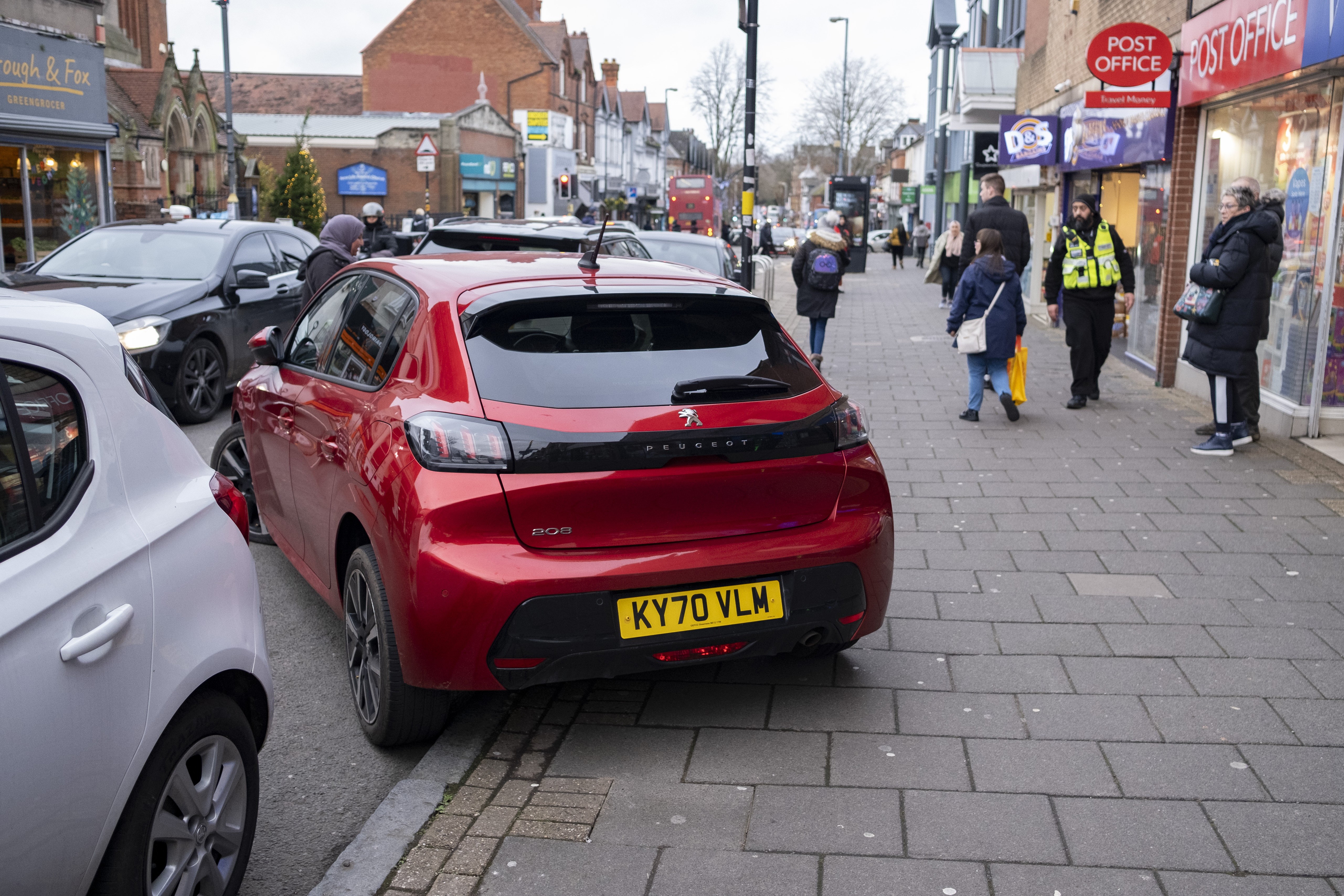
Pavement parking crisis looms as councils allow millions of cars to block vital routes
•More than half of English councils have been helping drivers park on pavements, despite the issue being one of the biggest complaints from the public.
•New research found that 84 out of 164 councils had created parking spaces on pavements or used signs to allow vehicles to park there.Only five of those councils said they planned to remove the spaces,...
•The Local Government Association admitted pavement parking was one of the issues councils received the most complaints about.
هذا الخبر من GB News. خبر يقدم أدوات ذكاء اصطناعي للتلخيص والترجمة والاستماع.
المصدر: GB News | Source: GB NewsMore than half of English councils have been helping drivers park on pavements, despite the issue being one of the biggest complaints from the public.
New research found that 84 out of 164 councils had created parking spaces on pavements or used signs to allow vehicles to park there.
Only five of those councils said they planned to remove the spaces, with the findings now raising fresh concerns about the impact of pavement parking on disabled people, older residents and parents with pushchairs.
The Local Government Association admitted pavement parking was one of the issues councils received the most complaints about.
TRENDINGStoriesVideosYour SayDisability charities have warned that cars parked on pavements can make it difficult or even impossible for some people to get around their local areas.
In Birmingham, one driver said parked cars on her street had stopped her from reaching community events and classes.
They told the BBC: "It narrows the pavement to the point that if you're using a pushchair or a wheelchair you can't easily get past."
She said she was not against car ownership, but believed the UK had become too dependent on cars, allowing them to take up vital space on pavements.
Pavement parking has now become more pressing as the number of vehicles on Britain's roads continues to rise.
Data shows how 42.3 million licensed vehicles were recorded in the UK by December 2025, marking the highest number ever recorded.
Cars have also become wider over time, with critics describing the trend as "carspreading", as many roads were built when vehicles were smaller and fewer people owned cars.
At present, only a small number of areas have a blanket ban on pavement parking, including London, Exeter and the whole of Scotland.
Outside of these areas, police are generally responsible for dealing with vehicles blocking pavements.
LATEST DEVELOPMENTS
- British haulage firm collapses into liquidation with £1.1million in debts after 35 years
- New drivers could face mandatory speed limiters and dashcams under road safety crackdown
- UK drivers set to flock towards Chinese cars as BYD rolls out tech that charges EVs in 5 minutes
Even in London, where pavement parking has been illegal since 1974, 27 of the capital's 33 local authorities told the BBC they allowed exceptions in some locations through designated bays or signs.
The National Federation of the Blind has called for a complete ban, saying pavement parking "damages them in the longer term, leaving them in a worse state for pedestrians".
From September, councils will be able to take action against unnecessary pavement obstructions in some circumstances, even where there is no Traffic Regulation Order.
In the longer term, ministers plan to allow local transport authorities to ban pavement parking completely in their areas, although this will require new primary legislation.
Local Transport Minister Lilian Greenwood said: "Everyone should be able to use the pavement safely, and pavement parking can make it harder for people to get around - especially disabled people, older people and parents with pushchairs.
"We've been clear that streets should work for everyone, which is why we are giving councils stronger powers to tackle dangerous and inconsiderate pavement parking."
The Local Government Association said some councils allowed pavement parking on older, narrow streets to ensure emergency vehicles, buses and refuse lorries could still get through.
Birmingham City Council said pavement parking was allowed in some areas, but it was waiting for Government guidance on how to use the new powers fairly.
Our Standards: The GB News Editorial Charter

ملاحظة تحريرية | Editorial Note: نُشر هذا المقال في الأصل بواسطة GB News. خبر (Khabr) هي منصة إعلامية أردنية مرخّصة تعمل بالذكاء الاصطناعي. نضيف قيمة تحريرية من خلال: تحليل ذكي للأخبار، ملخصات تلقائية، رواية صوتية بالذكاء الاصطناعي، ترجمة متعددة اللغات، وتدقيق الحقائق. هدفنا جعل الأخبار أكثر وضوحاً وسهولةً للقارئ العربي.
This article was originally published by GB News. Khabr is a licensed Jordanian AI-powered news platform (Registration #82086). We add editorial value through: AI-powered news analysis, automated summaries, AI audio narration, multi-language translation (Arabic, English, French, Turkish), and AI fact-checking. Our mission is to make news more accessible and understandable for Arabic-speaking audiences worldwide.