Paralysed man regains movement in arms and hands after brain implant breakthrough
•Keith Thomas, a 42-year-old from Massapequa, New York, suffered a devastating neck injury while diving into a swimming pool in July 2020.
•The accident left him paralysed from the chest down, unable to move his limbs."The next day I couldn't even move," Thomas recalled of waking in hospital after being airlifted from the scene.Six years...
•The technology, which bypasses his damaged spinal cord, now enables him to feed himself and lift a cup to drink independently.When Thomas enrolled in the clinical trial in October 2021, he could not e...
هذا الخبر من GB News. خبر يقدم أدوات ذكاء اصطناعي للتلخيص والترجمة والاستماع.
المصدر: GB News | Source: GB NewsKeith Thomas, a 42-year-old from Massapequa, New York, suffered a devastating neck injury while diving into a swimming pool in July 2020. The accident left him paralysed from the chest down, unable to move his limbs.
"The next day I couldn't even move," Thomas recalled of waking in hospital after being airlifted from the scene.
Six years on, a revolutionary brain implant has transformed his daily life. The technology, which bypasses his damaged spinal cord, now enables him to feed himself and lift a cup to drink independently.
When Thomas enrolled in the clinical trial in October 2021, he could not even raise his arms from his wheelchair.
TRENDINGStoriesVideosYour SayThe system, dubbed a "double neural bypass" by scientists at the Feinstein Institutes for Medical Research, works by detecting Thomas's intention to move through electrodes surgically placed in his brain.
These signals are then rerouted directly to his arms and hands, circumventing the severed connection caused by his spinal injury.
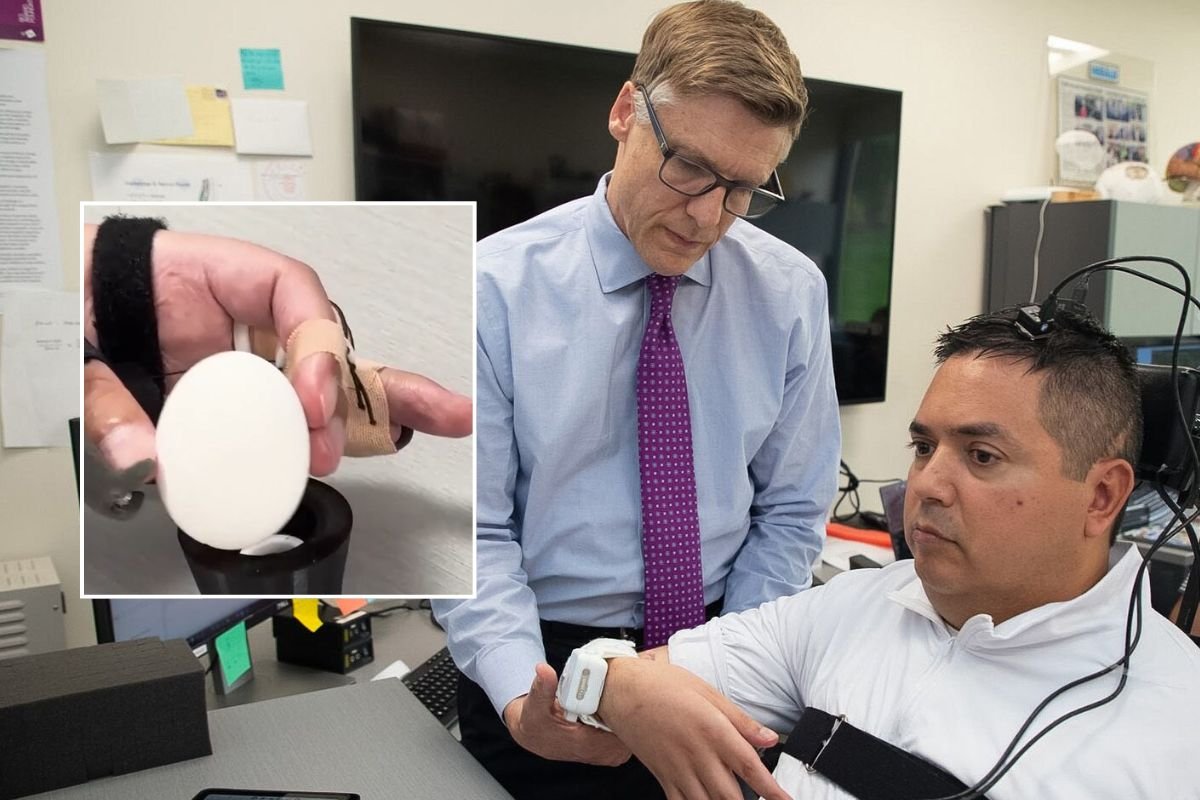
Crucially, the technology also restores the sense of touch. Pressure sensors fitted to his fingers, thumb and palm register contact with objects and transmit corresponding signals back to his brain.
This creates a complete feedback loop, allowing Thomas to handle delicate items such as eggshells. He has also felt his sister's hand and his pet dog's fur.
LATEST DEVELOPMENTS:
- Gym-goer who shed 9st 6lb credits five-move dumbbell routine for arm transformation
- Woman diagnosed with stage four cancer at 14 shares five menopause symptoms she suffered
- More than 600,000 Britons 'too fat to work' as obesity crisis engulfs UK
Following 35 weeks of training with the system, Thomas achieved remarkable physical gains. His right arm strength increased by 86 per cent, while his left arm grew 62 per cent stronger.
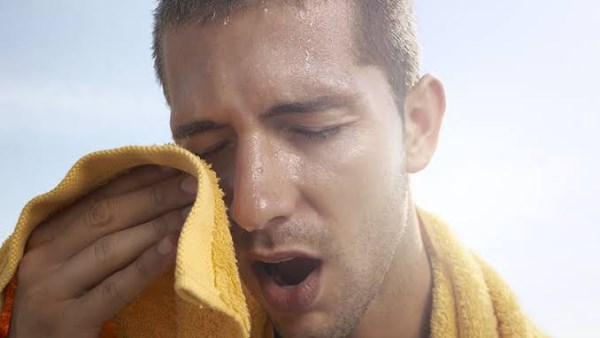
Tasks that had been impossible at the trial's outset became routine. He could scratch his nose and wipe his face without assistance.
Researchers also pioneered a method called cortical mirroring to enhance his tactile perception.
By recording brain patterns as Thomas imagined being touched, then replicating these while stimulating his skin and spinal cord, they restored sensation to his right wrist after 25 weeks of targeted therapy. The area had been completely numb since his accident.
Perhaps most remarkably, the technology appears to have rewired Thomas's nervous system. Some restored functions and sensations persist even when the device is switched off.
"For me, this is an incredible moment," said Prof Chad Bouton, who led the research team.
"For years, we have been wanting to really tackle the restoration of movement and the sense of touch and bring those together, and we've also wanted to create lasting effects."
A recent assessment confirmed these improvements remained after more than two years. "This is incredibly encouraging," Bouton added.
He believes the technology could eventually benefit millions of people with spinal cord injuries worldwide. Further trials are needed to determine its effectiveness across different injury types.
Our Standards: The GB News Editorial Charter


ملاحظة تحريرية | Editorial Note: نُشر هذا المقال في الأصل بواسطة GB News. خبر (Khabr) هي منصة إعلامية أردنية مرخّصة تعمل بالذكاء الاصطناعي. نضيف قيمة تحريرية من خلال: تحليل ذكي للأخبار، ملخصات تلقائية، رواية صوتية بالذكاء الاصطناعي، ترجمة متعددة اللغات، وتدقيق الحقائق. هدفنا جعل الأخبار أكثر وضوحاً وسهولةً للقارئ العربي.
This article was originally published by GB News. Khabr is a licensed Jordanian AI-powered news platform (Registration #82086). We add editorial value through: AI-powered news analysis, automated summaries, AI audio narration, multi-language translation (Arabic, English, French, Turkish), and AI fact-checking. Our mission is to make news more accessible and understandable for Arabic-speaking audiences worldwide.