[Editor's Note: Follow Khaleej Times live blog for the latest regional developments with the US-Israel-Iran ceasefire now in effect.]
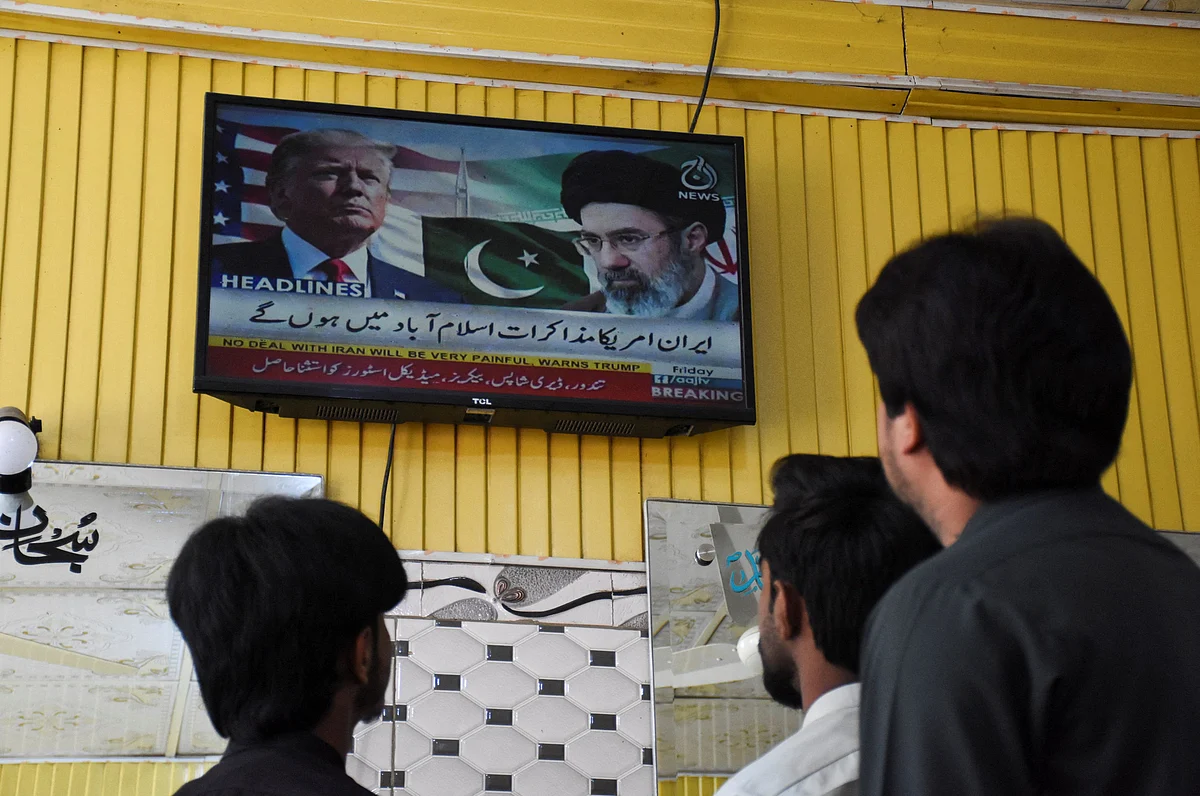
Pakistan is expected to remain central to ongoing peace efforts regardless of the outcome of talks in Islamabad hosting senior US and Iranian delegations, analysts said, citing the country’s role in regional security.
Officials and experts said Pakistan was selected to host the dialogue because it commands the trust of all sides and recognises that sustainable mediation requires broad-based cooperation rather than unilateral engagement.
The capital, Islamabad, is poised to host the high-stakes peace talks between Washington and Tehran on April 11, with preparations moving at full throttle. Pakistani officials have remained tight-lipped on logistical and security arrangements, citing diplomatic sensitivities, but confirmed that groundwork for the talks is firmly on track.
Stay up to date with the latest news. Follow KT on WhatsApp Channels.
On the US side, the White House confirmed their negotiating team would be led by vice-president JD Vance, with special envoys Steve Witkoff and Jared Kushner also travelling to Islamabad.
Iranian officials said their delegation would include foreign minister Abbas Araghchi and parliament speaker Mohammad Bagher Ghalibaf, who were both part of the ceasefire negotiations.
Dr Naveed Elahi, dean, National Institute of Public Policy, said Pakistan’s diplomatic achievement here is genuinely significant and not accidental. It earned the trust of both the American leadership and the Iranian leadership — and that unique positioning is what made it indispensable.
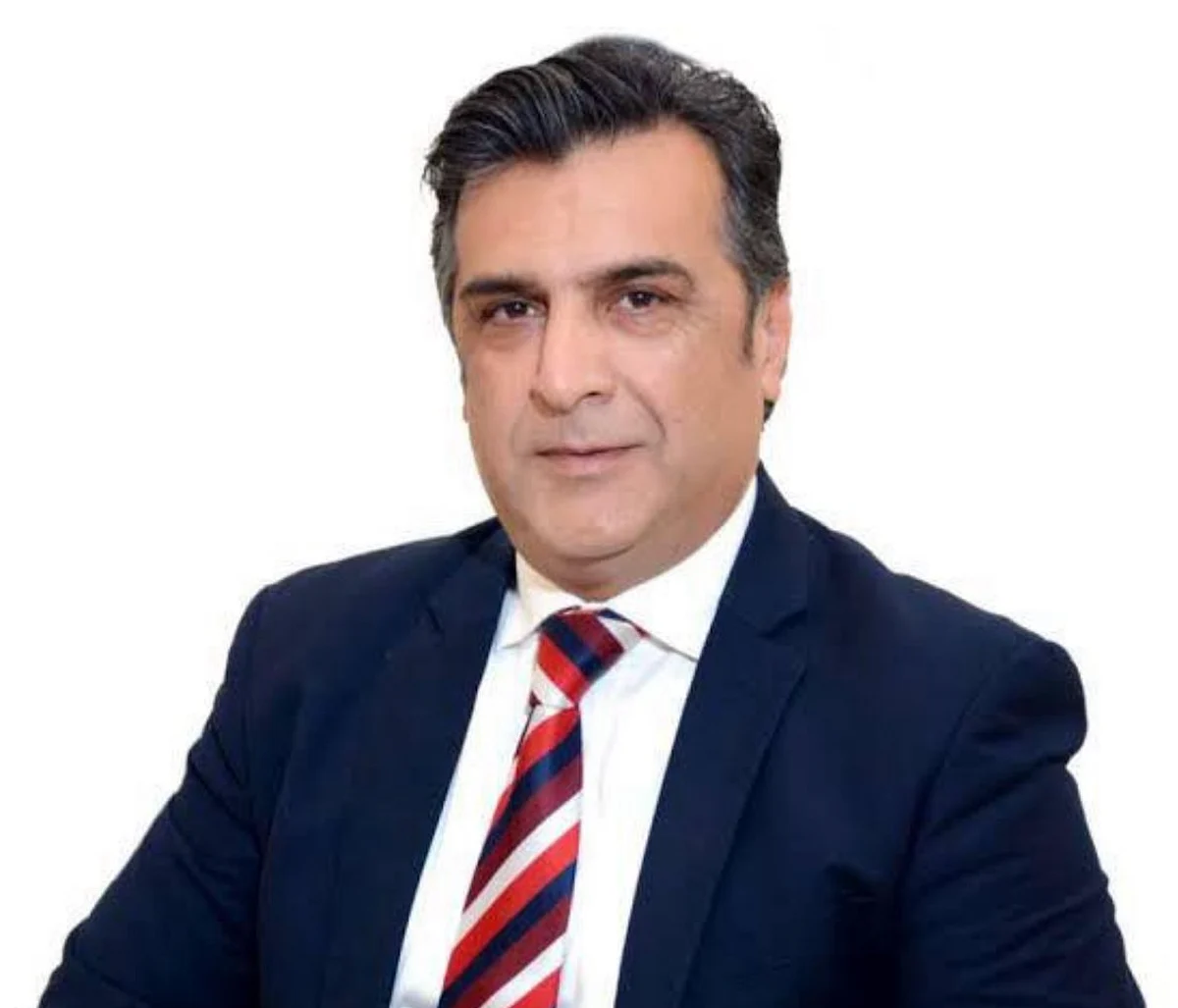
Dr Naveed Elahi, dean, National Institute of Public Policy
Elahi said Trump himself acknowledged this centrality, saying he agreed to the ceasefire ‘based on conversations with Prime Minister Shehbaz Sharif and Field Marshal Asim Munir’.
Iranian Foreign Minister Araghchi was even more generous, expressing gratitude for their ‘tireless efforts’ and saying Iran accepted the ceasefire ‘in response to the brotherly request of Prime Minister Shehbaz Sharif’. Getting both a US president and an Iranian foreign minister to publicly credit you is an extraordinary diplomatic double.
“The achievement is highly significant for Pakistan irrespective of how the agreement has since been tested, because Pakistan will remain central to ongoing peace negotiations regardless of outcome,” he said.
'Printing press moment'
Zafar Masud, President and CEO, Bank of Punjab, said holding peace talks in Islamabad is indeed a ‘printing press moment’ for Pakistan image and its standing on the world stage.
“Pakistan has already established itself as a trusted and a well-respected conduit between the global power centres. This has surely not been witnessed by any country of Pakistan’s stature in the past and the credit of this achievement squarely rests with mature and committed current political and military leadership,” Masud told Khaleej Times.
“I have full faith and confidence that the way we’ve accomplished the recent successes on the military and diplomatic fronts, the obvious next step is that this hard-earned stature will transcends into economic benefits for the country and its masses,” he said.
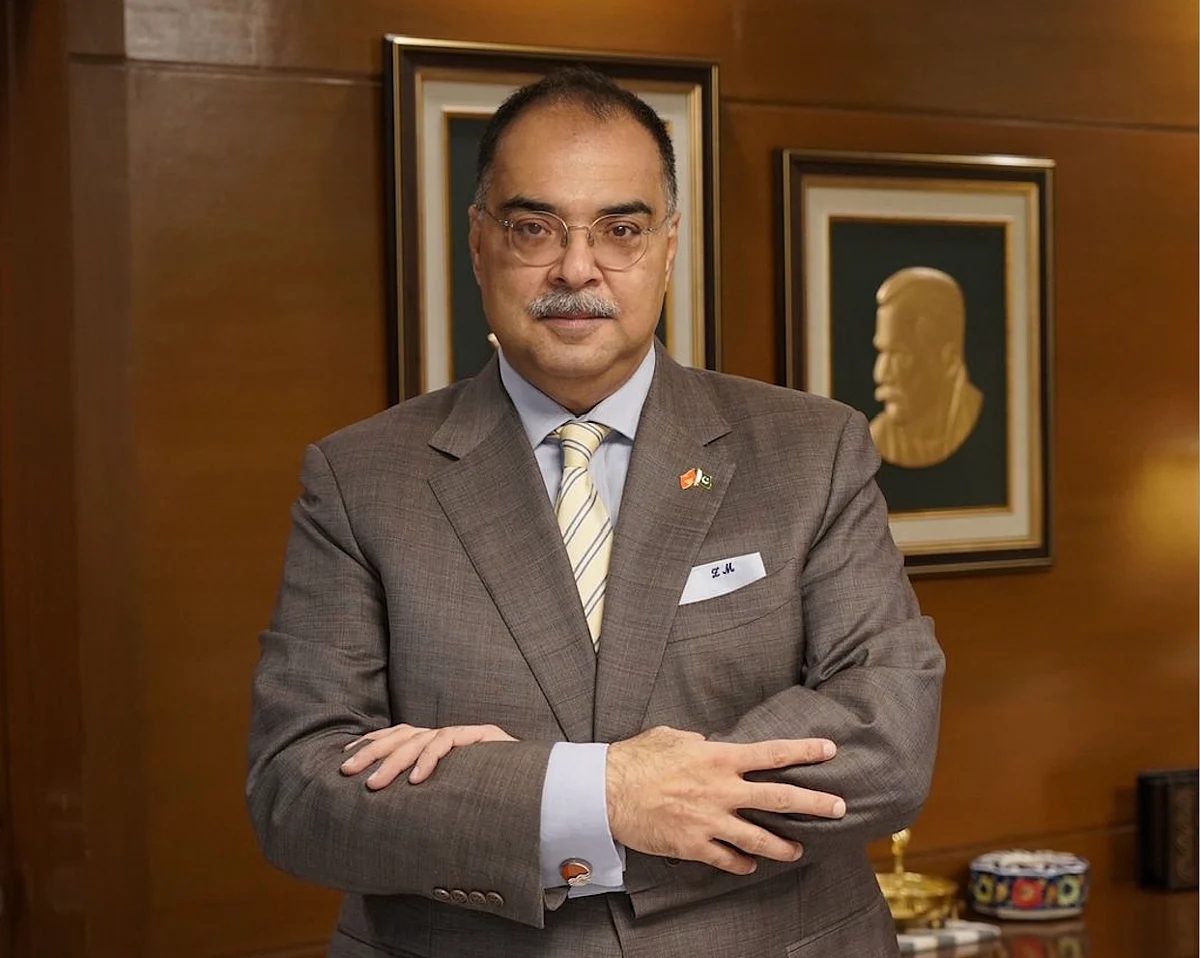
Zafar Masud, President and CEO, Bank of Punjab
Samiullah Tariq, head of research and development at Pakistan Kuwait Investment Company Limited, said Pakistan will leave no stone unturned in seizing this opportunity to secure lasting peace, not only in the region, but worldwide.
“This is a highly encouraging development that significantly bolsters the country’s positive image. There is no doubt in my mind that Pakistan has come into its own as a global player, fully equipped to uphold regional stability and security,” Tariq told Khaleej Times.
Why Pakistan matters
Elahi said Pakistan’s ties with both sides made it a natural choice — its mutual defence pact with Saudi Arabia, its 900km border and deep Shia community ties with Iran, and Field Marshal Munir’s personal relationship with Trump created a rare combination of trust on all sides simultaneously.
“Pakistan is also the only Muslim nation recognised as a nuclear power, which elevates its credibility as a negotiator in ways that other nations cannot match. And the broader trend of Global South nations playing mediator roles — rather than traditional Western powers — works in Pakistan’s favour.
“Pakistan has also been building a multilateral coalition — convening the foreign ministers of Saudi Arabia, Turkey and Egypt in Islamabad, coordinating with China on a joint five-point initiative — which signals it understands that durable mediation requires coalitions, not solo acts,” Elahi underscored.