Ordinary Brits will pay the price for Israel and Iran's retaliatory strikes
•Most Britons look at the latest exchange of fire between Iran and Israel and assume it is a distant conflict with little relevance to daily life in the UK.They are mistaken.The immediate consequence i...
•As tensions rise, so do oil prices.
•TRENDING Stories Videos Your Say Any threat to shipping through the Strait of Hormuz, one of the world's most important energy routes, pushes up the cost of fuel, transport and goods.
هذا الخبر من GB News. خبر يقدم أدوات ذكاء اصطناعي للتلخيص والترجمة والاستماع.
المصدر: GB News | Source: GB NewsMost Britons look at the latest exchange of fire between Iran and Israel and assume it is a distant conflict with little relevance to daily life in the UK.
They are mistaken.
The immediate consequence is already visible in global energy markets.
As tensions rise, so do oil prices.
TRENDINGStoriesVideosYour SayAny threat to shipping through the Strait of Hormuz, one of the world's most important energy routes, pushes up the cost of fuel, transport and goods.
What starts as a military confrontation in the Middle East quickly results in higher prices at the petrol pump, in the supermarket shop and on household energy bills.
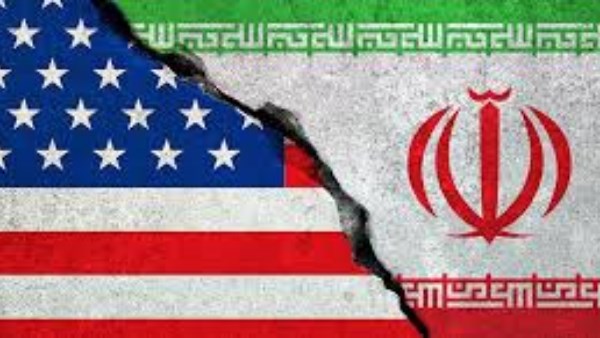
The bigger concern is whether the conflict between the Islamic Republic and the Jewish state escalates.
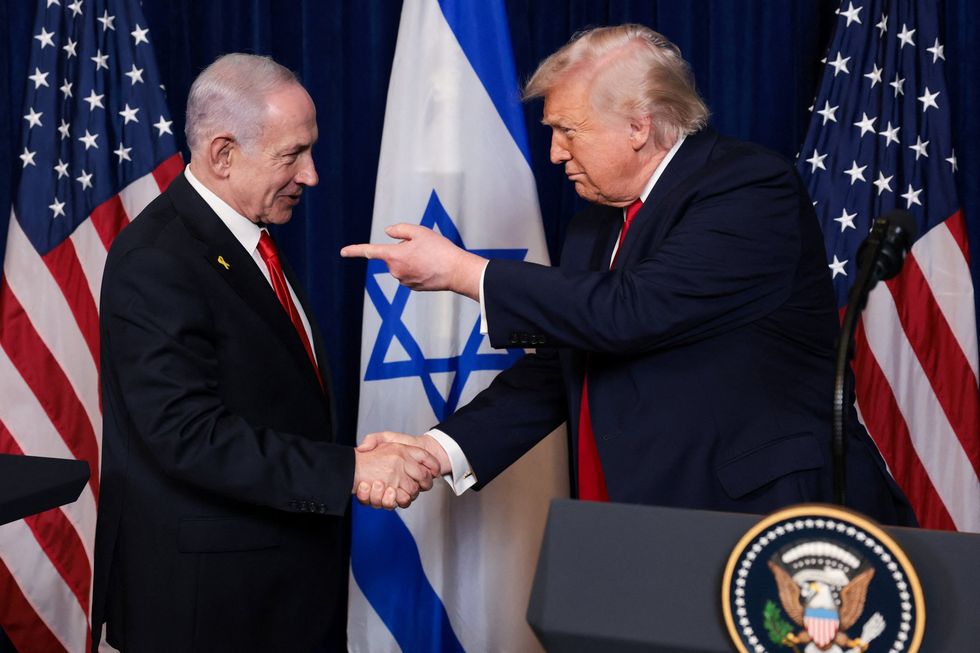
Israeli Prime Minister Benjamin Netanyahu has made one thing clear throughout his political career: threats to Israel will be met with force.
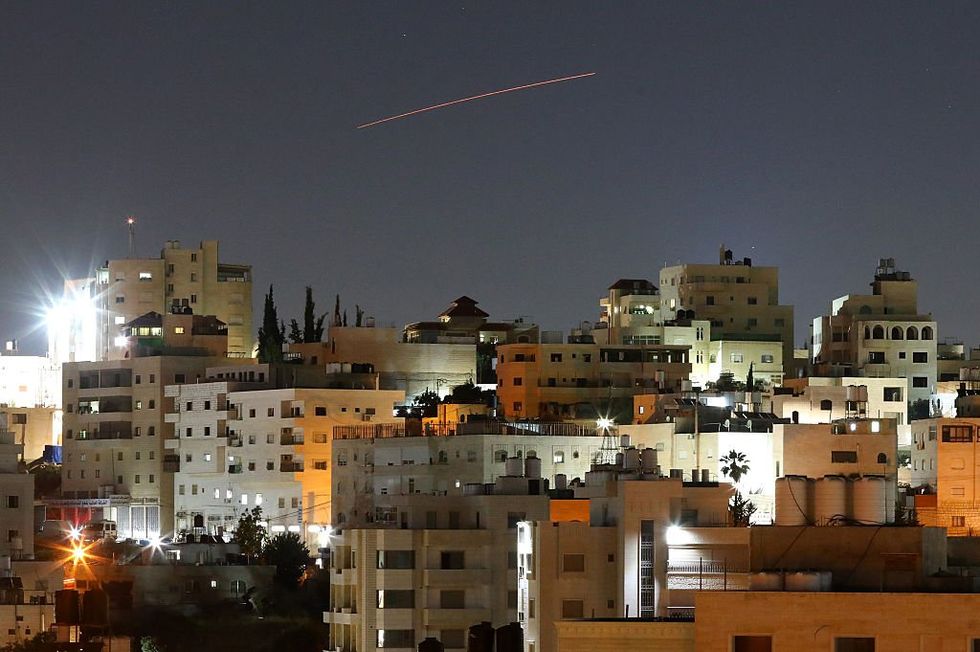
Iran's leadership, meanwhile, cannot afford to appear weak after launching direct attacks early this morning.
Neither side is under significant domestic pressure to step back.
History tells us wars have a habit of growing beyond their original objectives.
The question many are asking is whether Donald Trump would support a wider conflict or step back, as critics claim he has done in relation to Ukraine.
LATEST DEVELOPMENTS
- Israel launches retaliatory strikes on Iran in defiance of Donald Trump as ceasefire pushed to brink
- Donald Trump considers BUYING Chagos Islands in effort to crush Keir Starmer's surrender
- Keir Starmer vows war on social media giants unless they impose strict 'world-first' restrictions
Evidence suggests the United States President wants neither war nor escalation.
He has repeatedly called for restraint and diplomacy — and has reportedly urged Mr Netanyahu to avoid actions that could trigger a wider regional conflict.
However, avoiding a conflict while trying to stop it is a different matter altogether.
The danger is events begin to move faster than diplomacy does.
If Israel launches a larger campaign against Tel Aviv, or if Tehran retaliates by threatening shipping routes or Western interests, the consequences could spread far beyond the region.
Energy prices would rise further, inflation could begin to soar again, and global trade would suffer.
For Prime Minister Sir Keir Starmer and Chancellor Rachel Reeves, that would mean slower growth, higher living costs and increased pressure to spend more on defence at a time when the Armed Forces are already stretched while the long-awaited Defence Investment Plan remains delayed.
This conflict may be unfolding thousands of miles away, but Downing Street cannot afford to ignore it.
The missiles may be landing in the Middle East.
Yet the economic and security consequences may soon be landing on our streets.
Our Standards: The GB News Editorial Charter
ملاحظة تحريرية | Editorial Note: نُشر هذا المقال في الأصل بواسطة GB News. خبر (Khabr) هي منصة إعلامية أردنية مرخّصة تعمل بالذكاء الاصطناعي. نضيف قيمة تحريرية من خلال: تحليل ذكي للأخبار، ملخصات تلقائية، رواية صوتية بالذكاء الاصطناعي، ترجمة متعددة اللغات، وتدقيق الحقائق. هدفنا جعل الأخبار أكثر وضوحاً وسهولةً للقارئ العربي.
This article was originally published by GB News. Khabr is a licensed Jordanian AI-powered news platform (Registration #82086). We add editorial value through: AI-powered news analysis, automated summaries, AI audio narration, multi-language translation (Arabic, English, French, Turkish), and AI fact-checking. Our mission is to make news more accessible and understandable for Arabic-speaking audiences worldwide.