Oil surges past $95 as U.S. downplays Iran diplomacy and a 2nd key trade route is disrupted
•The price of oil surged nearly 5% on Wednesday as U.S.
•officials talked down the chance of new peace talks after an 11th straight night of strikes on Iran and with major disruption now facing two of the world’s key supply routes.
•International Brent crude oil rose almost 5% to more than $95 per barrel for the first time in almost six weeks.
هذا الخبر من NBC News. خبر يقدم أدوات ذكاء اصطناعي للتلخيص والترجمة والاستماع.
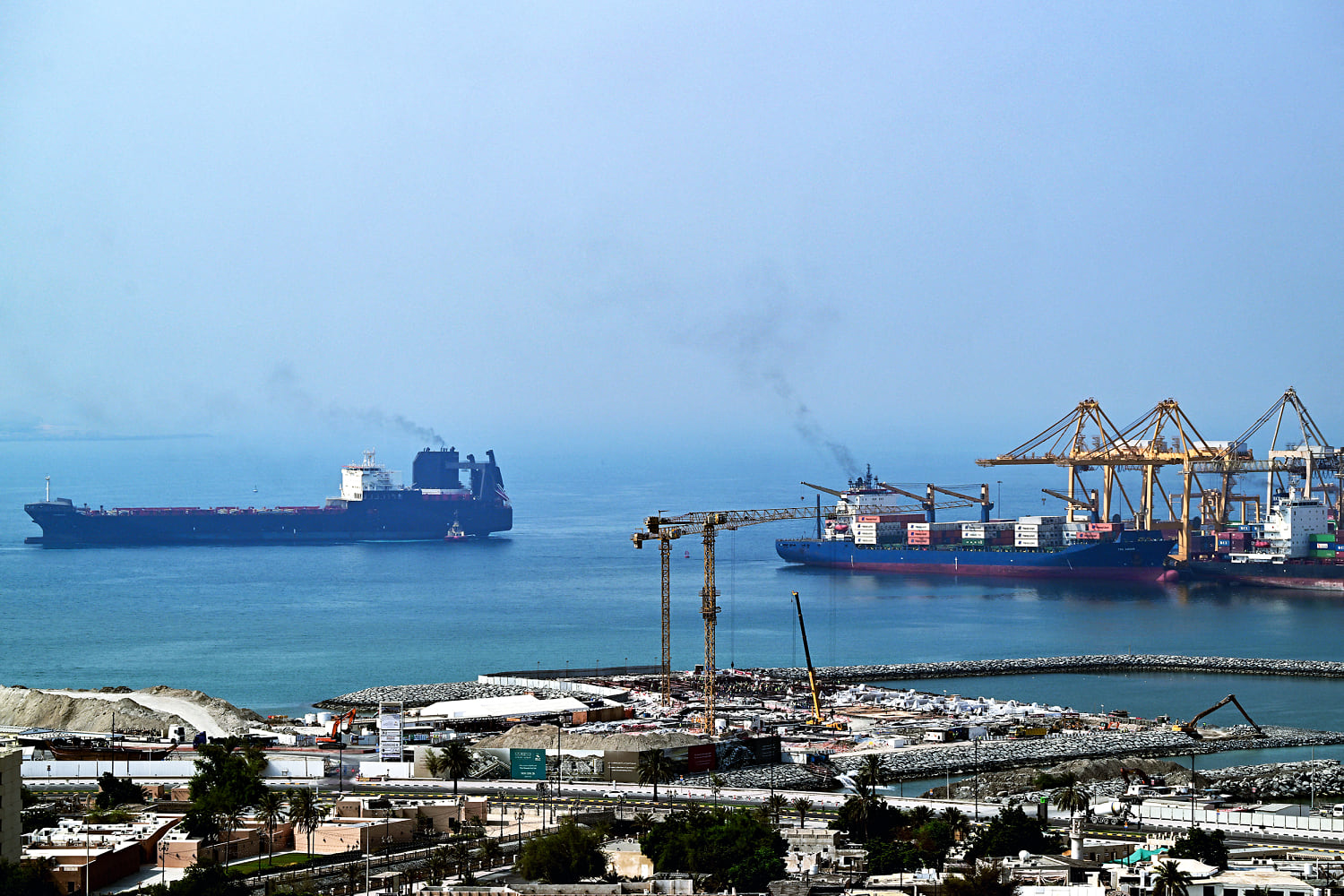
The price of oil surged nearly 5% on Wednesday as U.S. officials talked down the chance of new peace talks after an 11th straight night of strikes on Iran and with major disruption now facing two of the world’s key supply routes. International Brent crude oil rose almost 5% to more than $95 per barrel for the first time in almost six weeks. U.S. crude oil rose more than 4% to more than $88 per barrel. While Brent is widely considered the international oil benchmark, it also influences U.S. gas prices. Those pump prices rose again Wednesday, extending their climb above $4. The national average price per gallon rose 5 cents from Tuesday to $4.06 per gallon, according to AAA data tracked by NBC News. Overnight, Secretary of State Marco Rubio said that the U.S. remains open to diplomacy with Iran, “but right now they don’t seem to be serious about that.” Rubio added that the U.S. would continue to try to protect commercial shipping. But in the last two days, the U.K.’s Maritime Trade Organization has reported multiple attacks on vessels in the area. In at least two of those, the Royal Navy-aligned maritime monitoring group said that a crew abandoned its ship. “Iran is targeting global shipping in an international waterway and demanding to control which ships can go and which ones cannot,” Rubio added. “That just is unacceptable. We’re not going to accept that.” Those attacks are one reason why traffic in the Strait of Hormuz remains extremely low. On Monday, only 13 ships crossed the vital waterway and on Tuesday that number was only 9, according to an analysis of ship movements by MarineTraffic. The jump in prices also came shortly after Iranian-backed Houthi rebels in Yemen said they would seek to impose a maritime blockade on Saudi Arabia, a new front in a conflict that appears to be expanding. As a result, the “Bab el-Mandeb risk picture is deteriorating,” said an analyst at MarineTraffic on Wednesday, referring to the strait that is the gateway to the Red Sea. Just like the Strait of Hormuz, the Bab el-Mandeb is a critical transit route for global oil supplies and any disruption, or even a serious threat of disruption, could unsettle markets again. It had been a key release valve for exports, particularly from Saudi Arabia, that could not transit Hormuz. An NBC News analysis of MarineTraffic data showed that a number of crude oil tankers changed direction Tuesday in the Red Sea following the Houthi’s threat. Still, traffic though the Bab el-Mandeb Strait remained steady with 73 ships passing on Tuesday, although it was down slightly from Monday, the firm said. “The traffic count should also be read alongside growing evidence of route hesitation around vessels approaching the Gulf of Aden and Bab el-Mandeb,” MarineTraffic analyst Dimitris Ampatzidis wrote. “The Houthis’ announced maritime blockade on Saudi Arabia has shippers nervous, with several tankers moving to avoid the Bab el-Mandeb Strait,” added ING commodities analysts. “This would force tankers to enter and exit the Red Sea via the Suez Canal, adding significant time and expense to voyages to Asia.” ING added that between the Straits of Hormuz and Bab el-Mandeb, oil supply risks appear to be building once again.المصدر: NBC News | Source: NBC News
ملاحظة تحريرية | Editorial Note: نُشر هذا المقال في الأصل بواسطة NBC News. خبر (Khabr) هي منصة إعلامية أردنية مرخّصة تعمل بالذكاء الاصطناعي. نضيف قيمة تحريرية من خلال: تحليل ذكي للأخبار، ملخصات تلقائية، رواية صوتية بالذكاء الاصطناعي، ترجمة متعددة اللغات، وتدقيق الحقائق. هدفنا جعل الأخبار أكثر وضوحاً وسهولةً للقارئ العربي.
This article was originally published by NBC News. Khabr is a licensed Jordanian AI-powered news platform (Registration #82086). We add editorial value through: AI-powered news analysis, automated summaries, AI audio narration, multi-language translation (Arabic, English, French, Turkish), and AI fact-checking. Our mission is to make news more accessible and understandable for Arabic-speaking audiences worldwide.