As temperatures soar across Britain, a registered nutritionist has advised that opting for lighter food can genuinely benefit the body during sweltering conditions.
When the mercury rises, our systems must work considerably harder to maintain a stable internal temperature, often resulting in reduced appetite and increased fatigue.
"Heavy meals can sometimes add to that sluggish feeling because digestion itself generates heat within the body," explained registered nutritionist Lily Keeling.
But meals centred on vegetables, lean proteins and wholegrains prove far easier for the body to process during periods of intense heat.

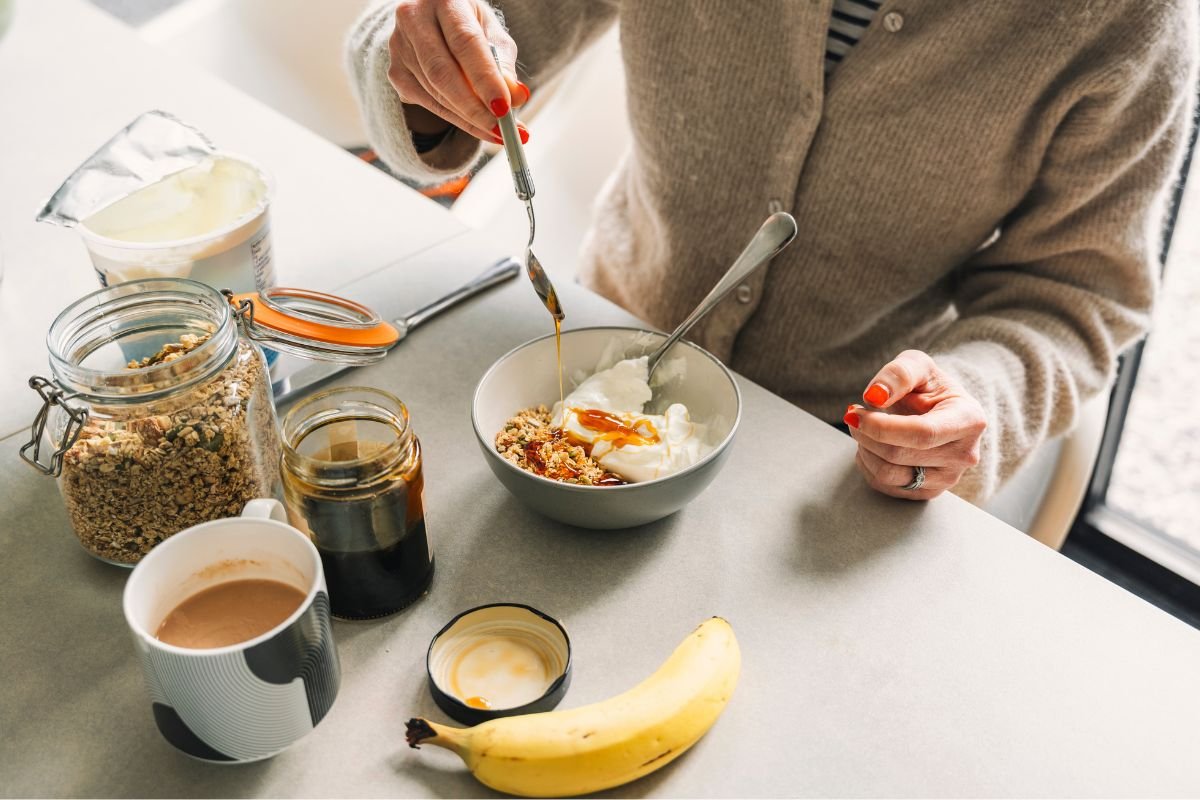
"Things like salads with protein, grain bowls, wraps or yoghurt-based breakfasts can all work really well," the nutritionist recommended.
Spreading smaller portions throughout the day rather than consuming large meals can help Britons feel considerably more comfortable during the heatwave.
Naturally, staying properly hydrated also becomes absolutely critical in elevated temperatures. And maintaining fluid balance extends beyond simply drinking water throughout the day.
"During hot weather, we naturally lose more fluids and electrolytes through sweating as the body tries to cool itself down," the nutritionist noted.
"Hydration isn't just about drinking water, though - foods like cucumber, watermelon, strawberries, tomatoes and lettuce can also help support hydration levels because of their high water content," the expert advised.
These water-rich foods offer Britons an additional means of replenishing lost fluids.
While reaching for sugary snacks or fizzy drinks might seem tempting for a quick energy boost, the nutritionist cautioned against this approach.
"One of the biggest mistakes people make is relying on sugary snacks and drinks for quick energy. While they might give a temporary boost, they can often leave energy levels crashing later on," the expert warned.
LATEST DEVELOPMENTS
- 'I'm a longevity expert – a blind spot in your daily routine could be shaving years off your life'
- 'Zombie' cell urine test could catch lung cancer months before symptoms start
- NHS mobile scanning units detect lung cancer in more than 10,000 patients across England
Balanced meals containing protein, fibre and slow-release carbohydrates prove far more effective for sustaining steady energy throughout the day.
Alcohol consumption also presents particular risks during periods of extreme heat.
"Alcohol can also make it harder for the body to regulate temperature properly because it increases fluid loss and can contribute to dehydration," the nutritionist explained.
Highly processed, salt-laden foods such as crisps and ready meals can similarly leave people feeling bloated and parched.
Following extended periods outdoors in the heat, replenishing lost nutrients becomes essential alongside rehydrating.
"Foods containing potassium, magnesium and sodium can help support hydration balance and muscle function," the nutritionist advised.
Bananas, yoghurt, leafy greens and beans all serve as excellent natural sources for restoring these vital minerals.
Frozen treats such as grapes, yoghurt bark or homemade fruit lollies offer a delightful way to cool down whilst contributing to fluid intake.

When asked for a single piece of guidance, the expert stressed regularity above all else.
"The biggest thing is consistency. Rather than waiting until you feel dehydrated or overly hungry, it's better to eat and drink regularly throughout the day," the nutritionist concluded.
Keeping meals straightforward while ensuring adequate protein and fibre intake will help Britons weather this heatwave successfully.
Our Standards: The GB News Editorial Charter