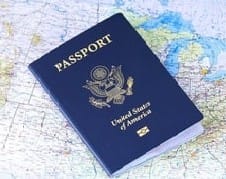
Now down to #12: US passport drops to lowest rank ever on world travel freedom list
•The US passport — long a symbol of global mobility and influence — has fallen out of the world’s top 10 most powerful passports for the first time in its history.The shift is driven, in part, by recen...
•Singapore currently holds the top position with visa-free access to 192 destinations, followed by South Korea and Japan.
•European nations dominate the upper ranks, underscoring a broader trend of shifting mobility power toward Asia and Europe.UAE passport ranked world’s second most powerful in 2026 US passport strength...
هذا الخبر من Gulf News. خبر يقدم أدوات ذكاء اصطناعي للتلخيص والترجمة والاستماع.
المصدر: Gulf News | Source: Gulf NewsThe US passport — long a symbol of global mobility and influence — has fallen out of the world’s top 10 most powerful passports for the first time in its history.
The shift is driven, in part, by recent changes in visa policies including a new requirement imposed by Brazil for American travelers.
According to the latest Henley Passport Index, published by Henley & Partners and based on data from the International Air Transport Association (IATA), the United States now ranks 12th globally, tied with Malaysia, offering visa-free or visa-on-arrival access to 180 of 227 destinations tracked worldwide.
This marks the first time the US has slipped below the Top 10 since the index began reporting two decades ago.
Brazil visa policy shift cited as factor
The decline follows Brazil’s decision this year to require visas for American citizens — a reciprocal response to existing US visa rules for Brazilian nationals.
Under the new policy, US passport holders must obtain a visa before traveling to Brazil, effectively reducing the number of destinations offering visa-free access to Americans and contributing to the passport’s slide in global rankings.
Brazil’s own passport has remained relatively strong, with visa-free or visa-on-arrival access to 168 countries, placing it ahead of the United States on at least one major mobility index.
Global context: Rankings and trends
The Henley Passport Index measures travel freedom based on how many destinations a passport allows its holders to enter without a pre-arranged visa. Singapore currently holds the top position with visa-free access to 192 destinations, followed by South Korea and Japan.
European nations dominate the upper ranks, underscoring a broader trend of shifting mobility power toward Asia and Europe.
US passport strength has been declining steadily in recent years. It once topped the list in 2014, offering unmatched travel access worldwide.
But as visa-free agreements expire or are renegotiated, several countries have restricted entry for Americans while expanding access for other nationalities.
US media reaction and analysis
US media outlets have highlighted the symbolic impact of the passport’s drop. Time Out noted the historic nature of the decline and framed it as part of a long-term downward trend in global ranking.
Meanwhile, travel analysts reported that the loss of visa-free access to Brazil was a key factor contributing to the passport’s slide, alongside other shifts in travel-policy reciprocity.
Some commentators have noted that while the ranking reflects travel freedom, it is just one measure of global influence and does not account for other forms of international mobility or diplomatic engagement.
However, the change has resonated widely, particularly among frequent travelers and global businesses who rely on ease of international travel.
What it means for US citizens
For US citizens, the new ranking may result in more visa applications and planning ahead for international trips. Countries that once welcomed US passport holders visa-free may tighten rules, requiring applications before departure.
Such requirements can add cost and complexity to international travel.
As nations reassess entry policies around the world, the global mobility landscape continues to evolve — and the US passport’s historic slide out of the top tier signals how reciprocal visa arrangements and diplomatic relations can directly affect citizens’ travel freedoms.
ملاحظة تحريرية | Editorial Note: نُشر هذا المقال في الأصل بواسطة Gulf News. خبر (Khabr) هي منصة إعلامية أردنية مرخّصة تعمل بالذكاء الاصطناعي. نضيف قيمة تحريرية من خلال: تحليل ذكي للأخبار، ملخصات تلقائية، رواية صوتية بالذكاء الاصطناعي، ترجمة متعددة اللغات، وتدقيق الحقائق. هدفنا جعل الأخبار أكثر وضوحاً وسهولةً للقارئ العربي.
This article was originally published by Gulf News. Khabr is a licensed Jordanian AI-powered news platform (Registration #82086). We add editorial value through: AI-powered news analysis, automated summaries, AI audio narration, multi-language translation (Arabic, English, French, Turkish), and AI fact-checking. Our mission is to make news more accessible and understandable for Arabic-speaking audiences worldwide.