New driving laws could soon be introduced in Northern Ireland under plans designed to protect children getting on and off buses.
Northern Ireland Infrastructure Minister Liz Kimmins said she was encouraged by the "substantial" public response to the Safer Journeys to School consultation, which closed this week after two months.
The Department for Infrastructure received 601 responses as part of the consultation examining whether tougher rules for motorists around stationary buses could help prevent serious accidents.
The proposals come after several tragic incidents involving children at bus stops in recent years, prompting the Department to step up enforcement.
Ms Kimmins said: "Tragic incidents involving children at bus stops have highlighted the risks that can arise when passengers are getting on or off buses.
"These moments present a period of particular vulnerability, especially where children may need to cross the road and where traffic speed, visibility or road layout increase the potential for harm."
The consultation document warned children to face the greatest danger immediately before boarding a bus and just after getting off, particularly when crossing roads.
Officials said youngsters can suddenly emerge in front of or behind buses, making it difficult for drivers to spot them.
The Department also said risks are often worse in rural areas, where buses regularly stop on main roads without pavements or proper crossing points.
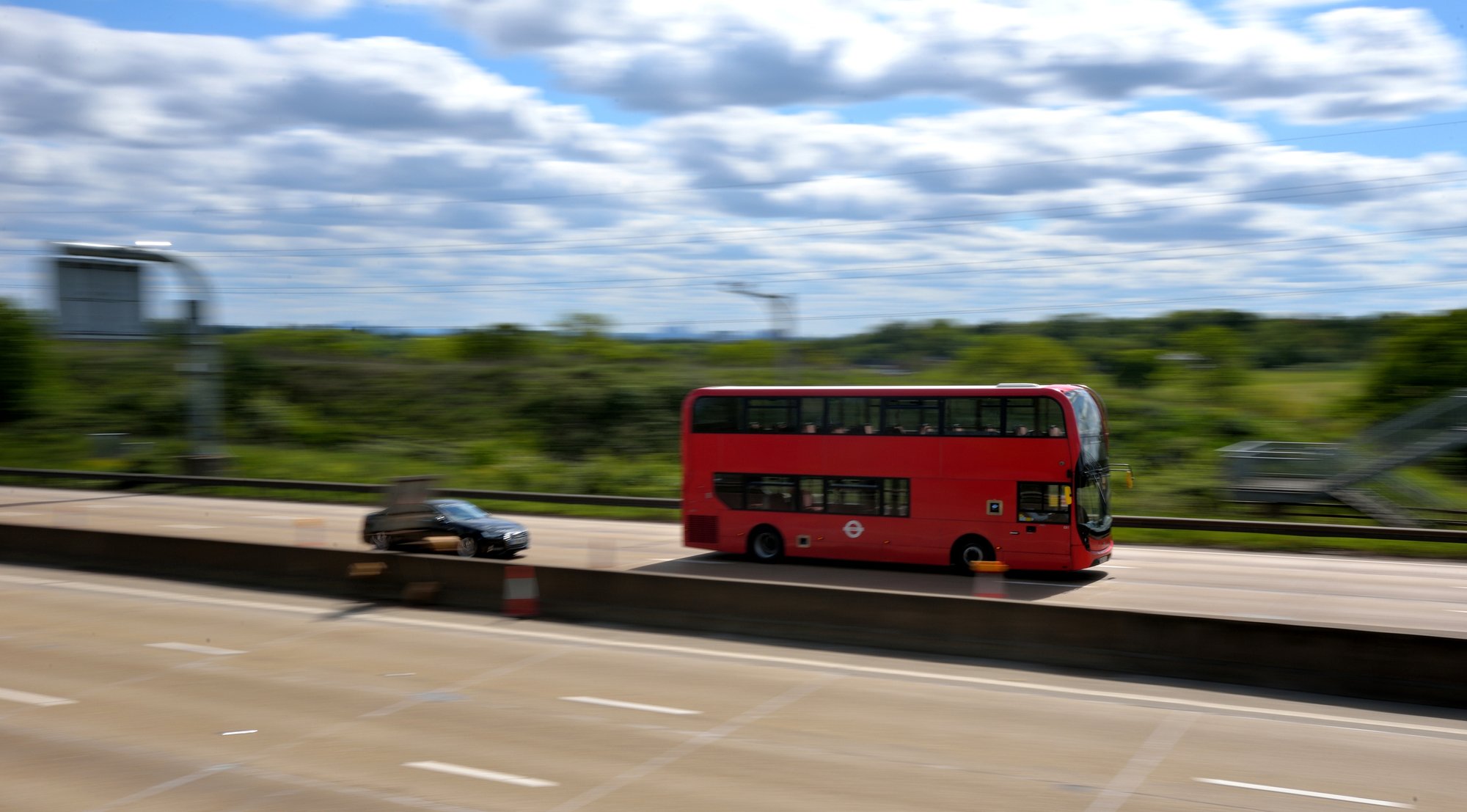
Under one proposal, drivers could be banned from overtaking stationary buses in clearly defined dangerous situations where passengers may be at risk.
Currently, Rule 163 of the Highway Code states: "Overtake only when it is safe and legal to do so. You should not get too close to the vehicle you intend to overtake.
"Do not assume that you can simply follow a vehicle ahead which is overtaking; there may only be enough room for one vehicle."
LATEST DEVELOPMENTS
- Major MOT changes to come into effect next week as DVSA brings in new rules for popular vehicles
- Drivers warned as most popular first cars disappearing from roads - Ford, VW, Toyota and more
- Ford announces new European car plans after huge £14billion electric vehicle write-off
The Department said the rules would apply to all buses, not just school transport, because many children use ordinary TransLink services and motorists may not know whether children are on board.
A second part of the consultation looked at wider restrictions on vehicles passing buses while passengers are boarding or leaving. One option could introduce lower speed limits around buses during school travel times. Another longer-term proposal could stop motorists passing buses when warning lights are flashing.
The consultation said this approach is already used in some countries abroad, where warning lights and signs give drivers a "clear and objective signal" that children may be crossing the road.
Officials are also considering whether brighter and more standardised warning lights should be fitted to buses because current systems may not always be visible enough.
However, the Department acknowledged there could be difficulties enforcing some of the changes, especially on narrow rural roads, bends and hill crests where stopping suddenly may create additional dangers.
Ms Kimmins said the consultation responses would help shape future policy and possible legislation. "I am committed to bringing forward measures that will make a meaningful difference to the safety of children travelling to and from school.
She explained road safety is of the "utmost importance" and will continue to keep children and everyone safe on roads.
The Department will now review all responses alongside legal advice and discussions with key organisations before deciding whether to move ahead with new laws.
Any changes would form part of the wider Safer Journeys to School programme, which also includes education campaigns, road engineering improvements and enforcement measures.
The Department has been working with the Education Authority, Translink, the Police Service of Northern Ireland and emergency services on the proposals.
Our Standards: The GB News Editorial Charter