‘NO PORT in the region will be safe’: Iran responds to Trump blockade with Gulf-wide threat
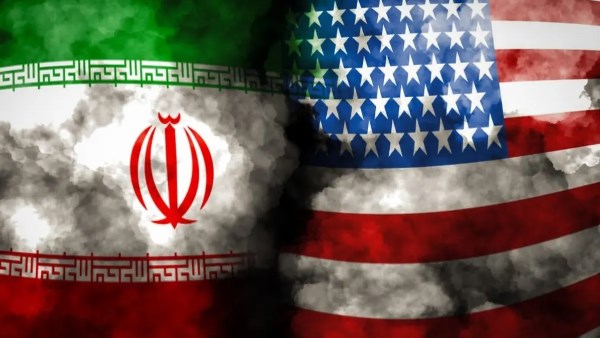
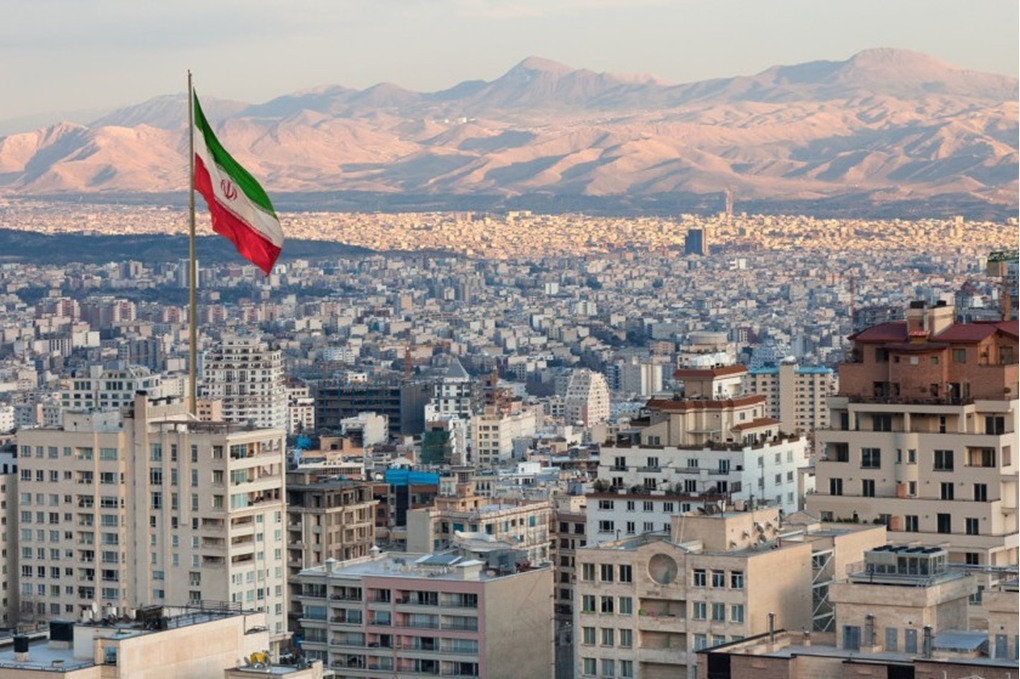
المصدر: فورتشن العربية | Source: فورتشن العربيةThe U.S. military was poised to begin a blockade of all Iranian ports and coastal areas on Monday, as President Donald Trump sought to ratchet up pressure on Iran in a move that risks driving oil prices even higher and reigniting the war. Iran responded by threatening all ports in the Persian Gulf and the Gulf of Oman.
“Security in the Persian Gulf and the Sea of Oman is either for everyone or for NO ONE,” the Islamic Republic of Iran Broadcasting reported Monday. “NO PORT in the region will be safe,” according to a statement from the Iranian military and the Revolutionary Guards.
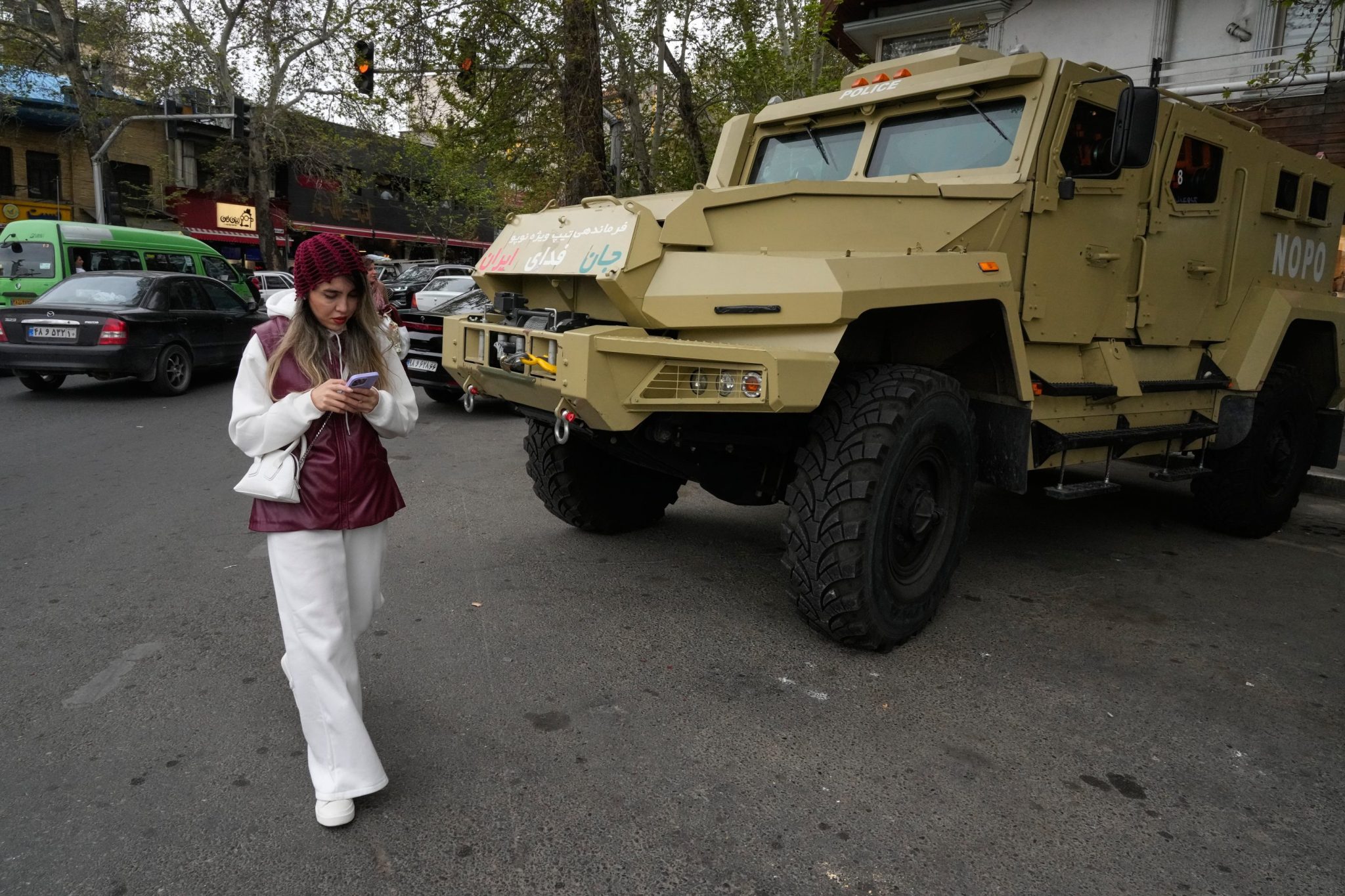
U.S. Central Command announced that from 10 a.m. EDT, or 6:30 p.m. in Iran, the blockade would be enforced “against vessels of all nations entering or departing Iranian ports and coastal areas.” It said that would include all of Iran’s ports on the Persian Gulf and Gulf of Oman. CENTCOM said it would still allow ships traveling between non-Iranian ports to transit the Strait of Hormuz, a step down from Trump’s earlier threat to blockade the vital waterway, where 20% of global oil transited before fighting began.
The announcement halted the limited ship traffic that resumed in the strait since the ceasefire, according to a report from Lloyd’s List intelligence. Marine trackers say over 40 commercial ships have crossed since the start of the ceasefire, down from roughly 100 to 135 vessel passages per day before the war.
The blockade threat came after marathon U.S.-Iran ceasefire talks in Pakistan ended without an agreement on Saturday. U.S. Vice President JD Vance said the talks stalled after Iran refused to accept American terms to refrain from developing a nuclear weapon. Iran has demanded compensation for damage caused by U.S.-Israeli strikes that launched the war on Feb. 28, and the release of Iran’s frozen assets.
Later Sunday, Trump extended his feud over the war with Pope Leo XIV, lashing out in a Truth Social post that called the Catholic leader “terrible on foreign policy” after Leo denounced the war and demanded that political leaders stop and negotiate peace. The pontiff pushed back Monday, telling reporters that the Vatican’s appeals for peace and reconciliation are rooted in the Gospel, and that he doesn’t fear the Trump administration.
The blockade could have far-reaching effects
The blockade is likely intended to pile pressure on Iran, which has exported millions of barrels of oil since the war began, much of it likely carried by so-called “dark” transits that evade Western government sanctions and oversight.
The price of U.S. crude rose 8% to $104.24 a barrel following the blockade announcement, and Brent crude oil, the international standard, rose 7% to $102.29. Brent crude cost roughly $70 per barrel before the war in late February.
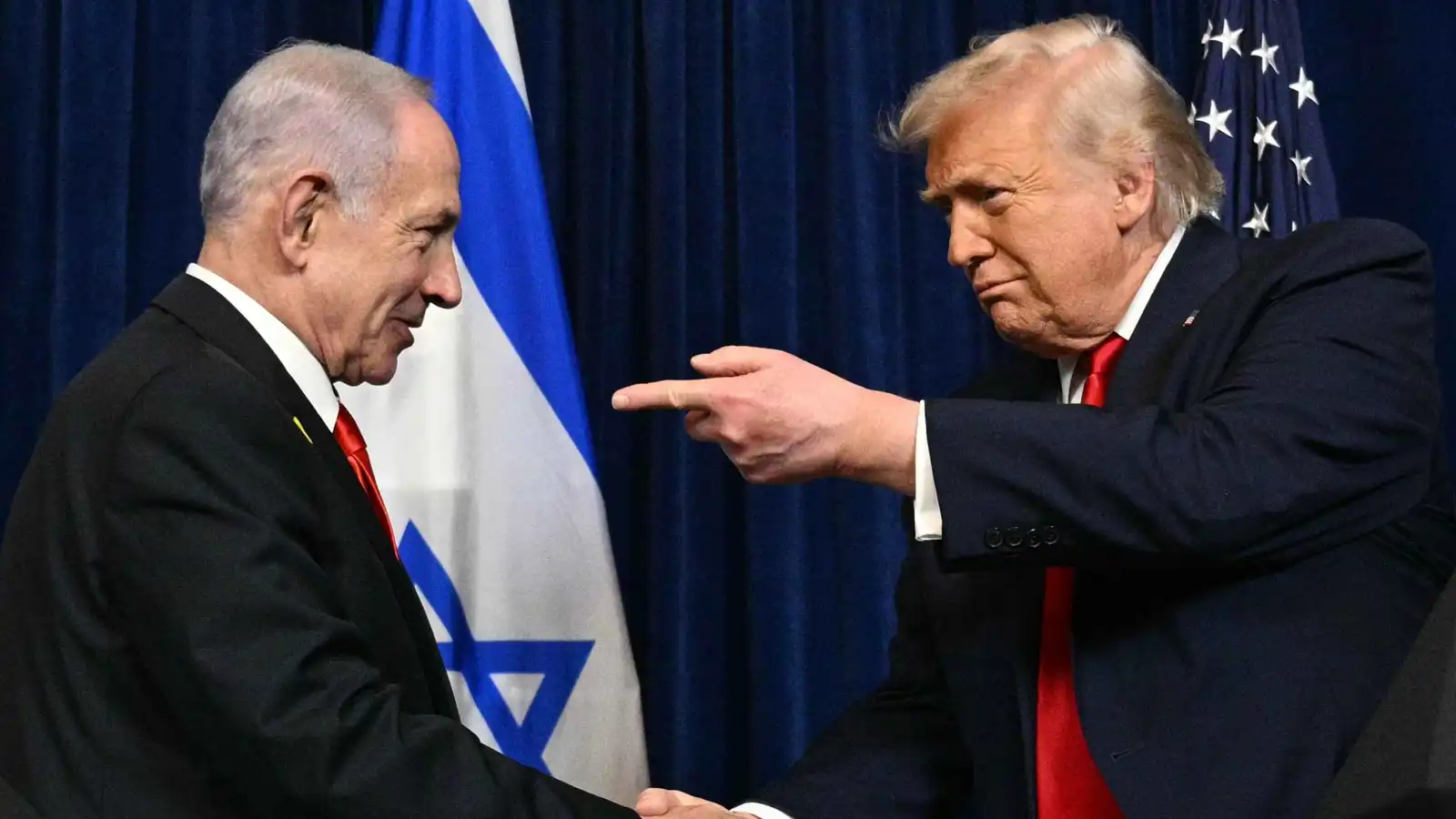
Israeli Prime Minister Benjamin Netanyahu expressed support Monday for Trump’s “strong stance to impose a naval blockade on Iran.”
Prime Minister Keir Starmer told BBC radio Monday that Britain will not be part of a U.S. blockade of Iranian ports in response to the closing of the Strait of Hormuz and that Britain is “not getting dragged into the war.”
Iran says ‘if you fight, we will fight’
A chorus of top-ranking Iranian officials threatened retaliation. Mohsen Rezaei, a military adviser and a former Revolutionary Guard Commander, wrote on X that the country’s armed forces had “major untouched levers” to counter a Hormuz blockade.
Iranian parliament speaker, Mohammad Bagher Qalibaf, who led Iran’s side in the talks, addressed Trump in a statement on his return to Iran: “If you fight, we will fight.”
Iran’s Revolutionary Guard later said the strait remained under Iran’s “full control” and was open for non-military vessels, but military ones would get a “forceful response,” two semiofficial Iranian news agencies reported.
During the 21-hour talks this weekend in Pakistan, the U.S. military said two destroyers had transited the strait ahead of mine-clearing work, a first since the war began. Iran denied it.
No word on what happens after ceasefire expires
Vance, who led the U.S. side in the talks in Pakistan, said Washington would need “an affirmative commitment that they will not seek a nuclear weapon.”
Iranian negotiators could not agree to all U.S. “red lines,” said a U.S. official who spoke on condition of anonymity because they were not authorized to describe positions on the record. Those red lines included Iran never obtaining a nuclear weapon, ending uranium enrichment, dismantling major enrichment facilities and allowing retrieval of its highly enriched uranium, along with opening the Strait of Hormuz and ending funding for Hamas, Hezbollah and Houthi rebels.
Iranian officials said talks fell apart over two or three key issues, blaming what they called U.S. overreach. Qalibaf, who noted progress in negotiations, said it was time for the United States “to decide whether it can gain our trust or not.”
Neither Iran nor the U.S. indicated what will happen after the ceasefire expires on April 22.
Pakistani Foreign Minister Ishaq Dar said his country will try to facilitate a new dialogue in the coming days. Iran said it was open to continuing dialogue, state-run IRNA news agency reported.
Turkish Foreign Minister Hakan Fidan, whose country has supported mediations efforts, suggested that if there is progress in dialogue the ceasefire could be extended for 45 to 60 days to allow for more negotiations.
Iran’s nuclear program is a key sticking point
Iran’s nuclear program was at the center of tensions long before the U.S. and Israel launched the war on Feb. 28. The fighting has killed at least 3,000 people in Iran, 2,055 in Lebanon, 23 in Israel and more than a dozen in Gulf Arab states, and damaged infrastructure in half a dozen countries.
Tehran has long denied seeking nuclear weapons but insists on its right to a civilian nuclear program. The landmark 2015 nuclear deal, which Trump later pulled the U.S. out of, took well over a year of negotiations. Experts say Iran’s stockpile of enriched uranium, though not weapons-grade, is only a short technical step away.
___
Metz reported from Ramallah, West Bank, Boak from Miami and Magdy from Cairo. Associated Press writers E. Eduardo Castillo in Beijing; Collin Binkley and Ben Finley in Washington; Kareem Chehayeb in Beirut; Brian Melley in London; Ghaya Ben MBarek in Tunis; Hannah Schoenbaum in Salt Lake City and Julia Frankel and Mae Anderson in New York contributed to this report.
This story was originally featured on Fortune.com
ملاحظة تحريرية | Editorial Note: نُشر هذا المقال في الأصل بواسطة فورتشن العربية. خبر (Khabr) هي منصة إعلامية أردنية مرخّصة تعمل بالذكاء الاصطناعي. نضيف قيمة تحريرية من خلال: تحليل ذكي للأخبار، ملخصات تلقائية، رواية صوتية بالذكاء الاصطناعي، ترجمة متعددة اللغات، وتدقيق الحقائق. هدفنا جعل الأخبار أكثر وضوحاً وسهولةً للقارئ العربي.
This article was originally published by فورتشن العربية. Khabr is a licensed Jordanian AI-powered news platform (Registration #82086). We add editorial value through: AI-powered news analysis, automated summaries, AI audio narration, multi-language translation (Arabic, English, French, Turkish), and AI fact-checking. Our mission is to make news more accessible and understandable for Arabic-speaking audiences worldwide.