New Mexico lawmakers to blast out subpoenas in Epstein investigation
•New Mexico lawmakers said Monday they are demanding documents from an array of government and private institutions as the first major step in their effort to tell the full story of what Jeffrey Epstei...
•A committee known as the New Mexico Truth Commission expects to send subpoenas this week to 14 targets.
•That includes federal agencies that investigated Epstein in the past — the U.S.
هذا الخبر من NBC News. خبر يقدم أدوات ذكاء اصطناعي للتلخيص والترجمة والاستماع.
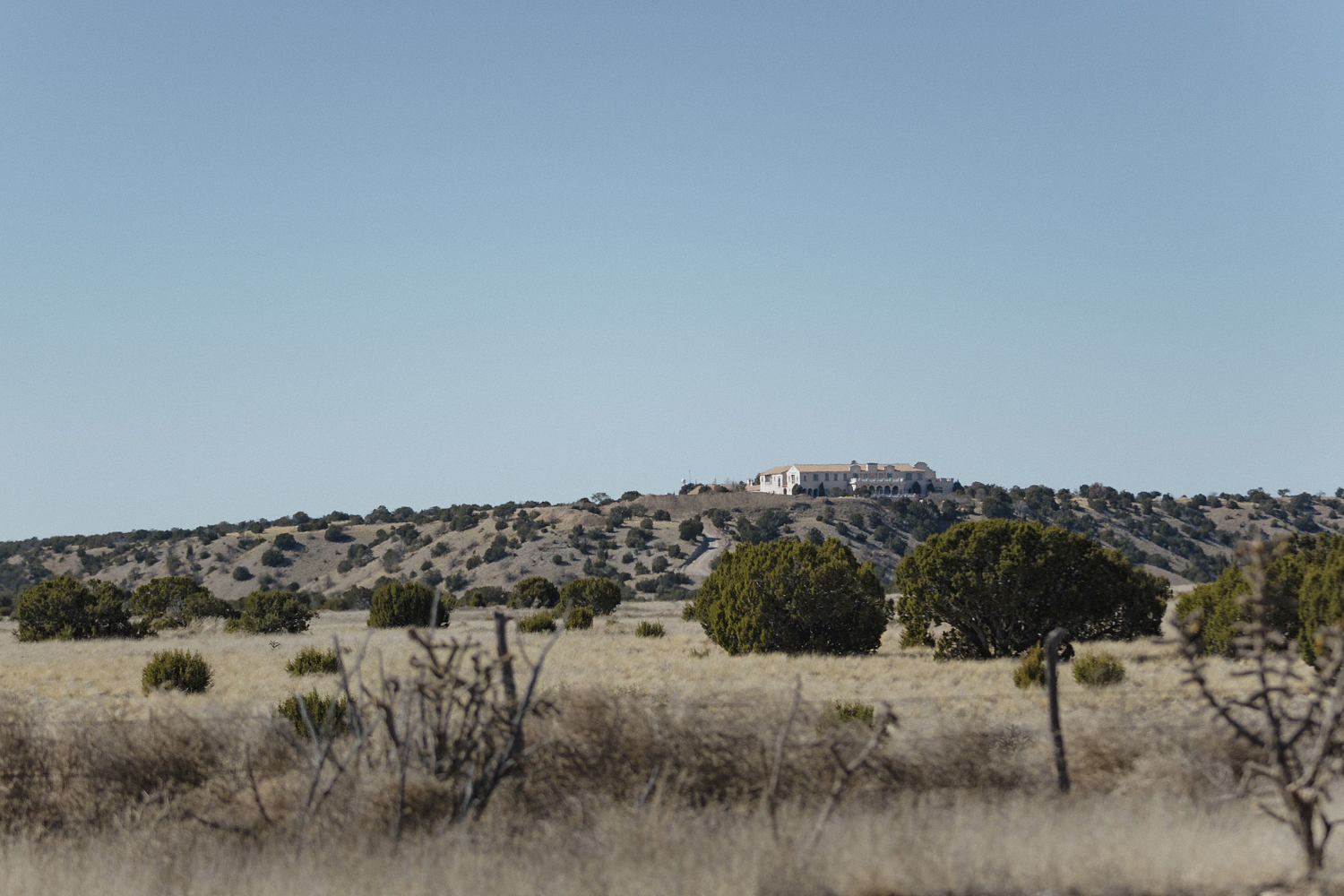
New Mexico lawmakers said Monday they are demanding documents from an array of government and private institutions as the first major step in their effort to tell the full story of what Jeffrey Epstein did in the state — and whether any others should be prosecuted for crimes there. A committee known as the New Mexico Truth Commission expects to send subpoenas this week to 14 targets. That includes federal agencies that investigated Epstein in the past — the U.S. Justice Department and FBI — as well as state and local law enforcement agencies that looked into Epstein. Demands are also expected to go to Epstein’s former banks — Deutsche Bank and JPMorgan Chase — and the Santa Fe Institute, a nonprofit scientific research institution that Epstein supported. If the committee finds evidence that someone committed a crime that can be prosecuted, it will refer the case to the appropriate law enforcement agency, either in New Mexico or elsewhere, members said. The goal is to “build a complete documented public record,” Republican state Rep. Andrea Reeb said in a meeting at the New Mexico State Capitol. “We will name what happened, we will name who was responsible, and we will do so with the evidentiary regard that survivors deserve and that the law requires.” Reeb is one of four members of the bipartisan commission. The commission is already working with the New Mexico Department of Justice, which has reopened a criminal investigation that was shut down in 2019 at the request of federal prosecutors in New York. That agency is also seeking Epstein records from federal authorities. Epstein, who bought a ranch outside Santa Fe in 1993 and typically visited several times a year, was never charged with crimes in New Mexico, despite allegations of sex crimes dating back decades. At least 10 women have alleged that Epstein groomed or abused them at the 10,000-acre ranch starting in the mid-1990s, an NBC News review of court testimony, lawsuits and other records found. Half were teenagers when they said Epstein harmed them. No law enforcement agency had searched the ranch until earlier this year. The lost opportunities in New Mexico are part of a pattern with Epstein, starting with a state investigation in Florida, where he was accused of paying underage girls for sex. In 2008, he cut a deal with state and federal prosecutors that spared him serious jail time and ended an investigation of his activities in other states. He was required to register as a sex offender in Florida and New York, but not in New Mexico. Federal investigators in New York picked up the case in 2019, after the Miami Herald published an expose about the plea deal. The New York prosecution of Epstein largely left the New Mexico ranch unexamined. After Epstein died in jail, prosecutors went after accomplice Ghislaine Maxwell; her trial briefly mentioned allegations in New Mexico. She is now in federal prison. In January, the Justice Department released millions of Epstein-related documents, including new information about the efforts to shut down the state investigation in 2019, and new allegations of crimes at the ranch, the most troubling being an unsubstantiated allegation that two bodies were buried on the property. The revelations lit a fire in New Mexico to finally determine what happened at the ranch. Commission members said Monday that their work will be centered on the experiences of survivors. They will not only look into sex trafficking and financial crime allegations but also possible “medical and scientific crimes,” said state Rep. Marianna Anaya, a Democrat. She did not explain that further. The commission, whose work is funded by money collected by the state in a settlement with Epstein’s banks, also expects to recommend changes to state laws to close gaps that may have prevented authorities from prosecuting Epstein or others. The commission heard from one survivor, Rachel Benavidez, who says she was abused by Epstein while working as a licensed massage therapist at the ranch, and from the family of Virginia Giuffre, one of Epstein’s most outspoken victims, who died by suicide last year. “We know Jeffrey Epstein could not have acted alone,’ Benavidez said. “The tentacles of this evil network extend across academia, science, medicine, politics, finance, and government.”المصدر: NBC News | Source: NBC News
ملاحظة تحريرية | Editorial Note: نُشر هذا المقال في الأصل بواسطة NBC News. خبر (Khabr) هي منصة إعلامية أردنية مرخّصة تعمل بالذكاء الاصطناعي. نضيف قيمة تحريرية من خلال: تحليل ذكي للأخبار، ملخصات تلقائية، رواية صوتية بالذكاء الاصطناعي، ترجمة متعددة اللغات، وتدقيق الحقائق. هدفنا جعل الأخبار أكثر وضوحاً وسهولةً للقارئ العربي.
This article was originally published by NBC News. Khabr is a licensed Jordanian AI-powered news platform (Registration #82086). We add editorial value through: AI-powered news analysis, automated summaries, AI audio narration, multi-language translation (Arabic, English, French, Turkish), and AI fact-checking. Our mission is to make news more accessible and understandable for Arabic-speaking audiences worldwide.