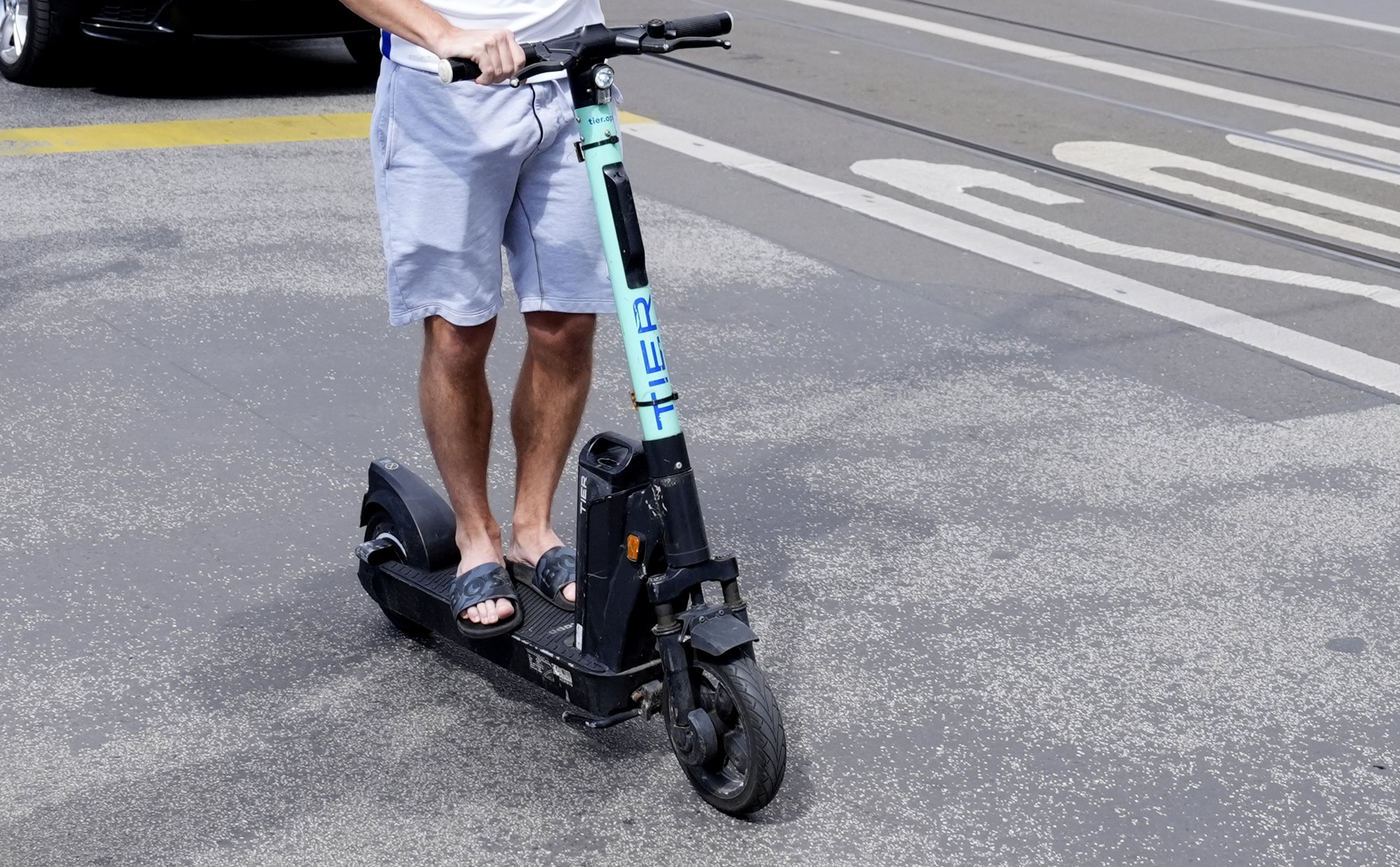
Nearly three children a week are being treated for e-scooter injuries at just three children’s trauma centres in England, new research reveals.
The alarming toll includes youngsters suffering serious head and facial injuries, being admitted to hospital and even needing surgery.
And the typical victim was just 12 years old - four years younger than the minimum age for legally renting an e-scooter in Britain.
Researchers identified 477 children under 16 treated at major trauma centres in Liverpool, Sheffield, and Manchester between 2019 and 2024.
The study, published in the Emergency Medicine Journal, found an overall rise in cases, with particularly sharp increases at some hospitals.
At Sheffield Children’s Hospital, cases soared from just one in 2019 to 74 in 2024. At Royal Manchester, where comparable data were only available for 2023 and 2024, they jumped from 19 to 47.
At least four out of five incidents involved privately owned e-scooters - which cannot legally be ridden on Britain’s roads, pavements, or other public land.
Yet more than half of the incidents were known to have happened in public places, including 22 per cent on roads and 30 per cent on footpaths, parks, and other public spaces.

Researchers warned the machines were designed for adults but were being used by children who may be inexperienced road users, more likely to take risks and susceptible to peer pressure.
Almost two-thirds of those injured were boys and half were aged between just 10 and 13.
Three-quarters were hurt after falling off. But more than one in ten collided with a vehicle, while five per cent of casualties were pedestrians struck by an e-scooter.
Injuries to arms and legs were most common, but almost a quarter suffered head injuries and nearly one in five facial injuries.
LATEST DEVELOPMENTS:
- 'Instagrammable' pets fuelling suffering as owners chase extreme looks, charity warns
- Fake food scams linked to illness and death and costing Britain up to £2billion a year
- NHS watchdog told to investigate AI rollout for GP appointments
Around one in ten head injuries were serious, requiring imaging, hospital admission and, in some cases, surgery.
Among the most seriously injured children, almost half had collided with a vehicle or stationary object.
Despite the danger of head injuries, fewer than two per cent were documented as wearing helmets - although researchers said that helmet use was not recorded in many cases.
Almost two-thirds of the children needed medical imaging, more than one in eight were admitted to hospital and seven per cent - 33 youngsters -required surgery.
Researchers also uncovered a striking social divide, with almost three quarters of those injured living in some of England’s most deprived neighbourhoods.
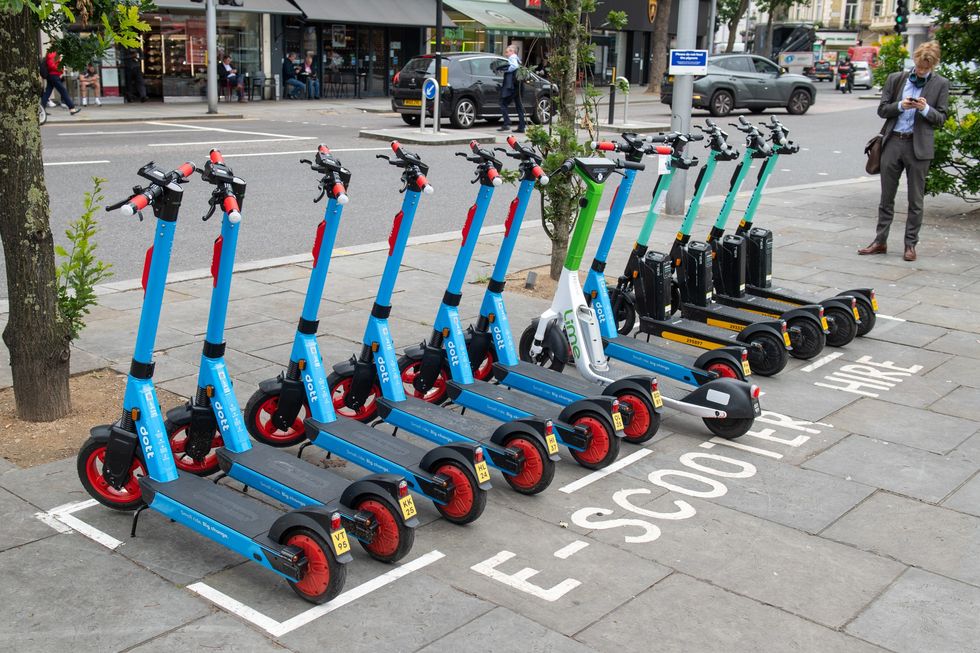
Government rental e-scooter trials began in England in 2020 and are due to continue until 2028. Rental scooters can legally be used in designated trial areas, but riders must meet age and driving-licence requirements.
Privately owned e-scooters can only legally be ridden on private land with the landowner’s permission.
The study also cites figures showing 59 e-scooter-related deaths in the UK between July 2019 and July 2025, including ten people aged 18 or younger.
The youngest was just nine - a passenger on an e-scooter - while at least 85 per cent of all the fatalities involved privately owned machines.
Researchers are calling for ministers to review the law and consider measures including speed limiters and compulsory helmets.
They also want retailers to make buyers much more aware of the law, alongside safety campaigns in schools and communities.
The researchers warned: “There must also be an onus on retailers to clearly advise customers of the law, and policymakers to regulate private e-scooters such as with speed limiters, or mandate helmet use.”
The authors stressed the research covered only three major children’s trauma centres, so it does not represent the total number of youngsters injured across England.
They also said cases may have been missed in hospital records, while a computer-system change meant Manchester data were only available for 2023 and 2024.
But they warn e-scooter injuries have risen considerably and are becoming an “emerging public health challenge”, with potentially life-changing consequences for children and their families.
Our Standards: The GB News Editorial Charter