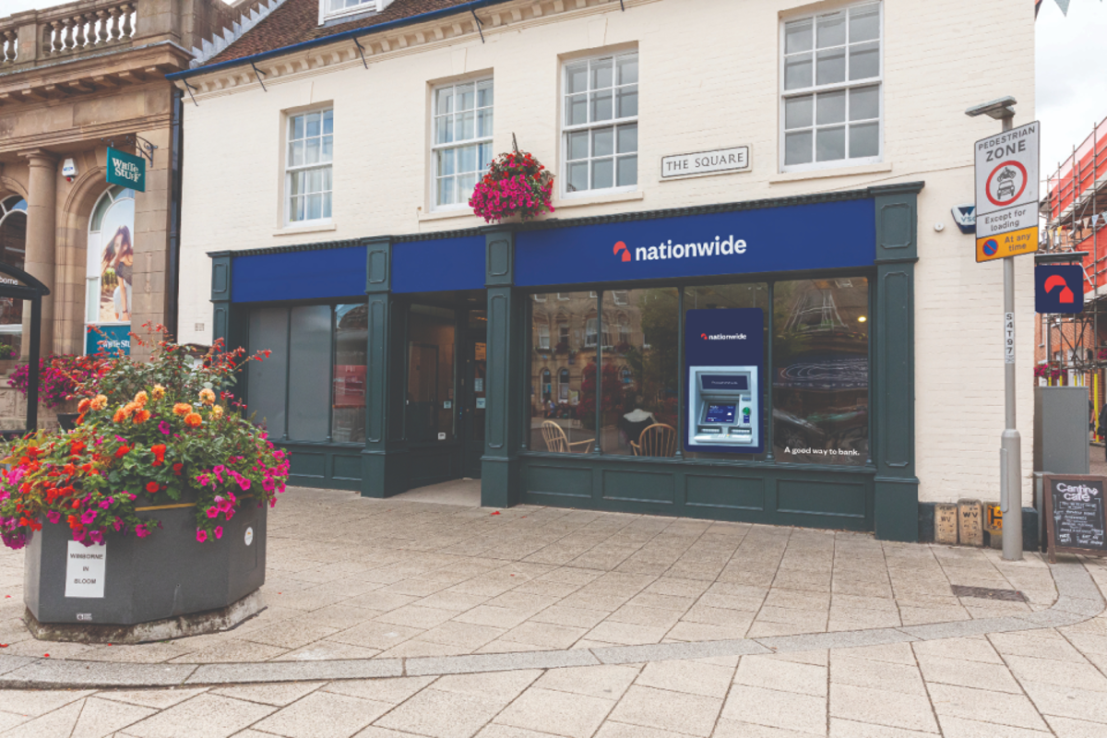
Nationwide accused of picking ‘unfair fight’ with member board candidate
•Nationwide has been accused of picking an “unfair fight” with one of its members who has sought to clinch a seat on the building society’s board.
•The mutual has opted not to recommend the candidacy of James Sherwin-Smith, who is running to be the first member to take a seat on Nationwide’s board in nearly 25 years.
•The voting system at the building society’s annual general meeting – held on June 8 – will maintain its ‘Quick Vote’ system, which allows Nationwide’s over 9m members to instantly green light only can...
هذا الخبر من سيتي أيه إم. خبر يقدم أدوات ذكاء اصطناعي للتلخيص والترجمة والاستماع.
المصدر: سيتي أيه إم | Source: سيتي أيه إم
Nationwide has been accused of picking an “unfair fight” with one of its members who has sought to clinch a seat on the building society’s board.
The mutual has opted not to recommend the candidacy of James Sherwin-Smith, who is running to be the first member to take a seat on Nationwide’s board in nearly 25 years.
The voting system at the building society’s annual general meeting – held on June 8 – will maintain its ‘Quick Vote’ system, which allows Nationwide’s over 9m members to instantly green light only candidates approved by the board.
Sherwin-Smith said: “The use of the Quick Vote mechanism is particularly concerning – setting this election up as an unfair fight – and creates a dangerous precedent for future elections at Nationwide and in other similarly governed organisations.”
He added: “Whatever the outcome, this is not about one candidate. It is about whether Nationwide Members retain meaningful democratic choice in the governance of their Society.”
Nationwide has been contacted for comment.
Nationwide member chose to run after Virgin Money deal
Speaking to City AM’s Business as Usual podcast this week Sherwin-Smith detailed his journey to running for a board seat as stemming from a lack of transparency, particularly regarding the £2.9bn takeover of Virgin Money.
The mammoth deal shocked the City when it was first unveiled in 2024 but went on to stoke controversy as Nationwide members were not permitted a vote on it, raising questions around transparency.
“If this was a PLC, I think the equity analysts would be pouring over the details of this… I can’t think of another retail bank integration of this scale in recent times that has been less scrutinised,” he said.
Nationwide released its annual results last week where it booked a hefty jump in its annual income as the building society benefited from a boost in consumer lending and clawed out a bigger market share of mortgage balances.
The mutual recorded a 22 per cent jump in total income to £6.4bn, which was up from £5.2bn in the previous year, led by a more diverse balance sheet.
The jump came as consumer lending swelled to £11.6bn, from £11.1bn, primarily driven by a growth in its credit card division. Balances hit £8.1bn in the last financial year, up from £7.8bn.
ملاحظة تحريرية | Editorial Note: نُشر هذا المقال في الأصل بواسطة سيتي أيه إم. خبر (Khabr) هي منصة إعلامية أردنية مرخّصة تعمل بالذكاء الاصطناعي. نضيف قيمة تحريرية من خلال: تحليل ذكي للأخبار، ملخصات تلقائية، رواية صوتية بالذكاء الاصطناعي، ترجمة متعددة اللغات، وتدقيق الحقائق. هدفنا جعل الأخبار أكثر وضوحاً وسهولةً للقارئ العربي.
This article was originally published by سيتي أيه إم. Khabr is a licensed Jordanian AI-powered news platform (Registration #82086). We add editorial value through: AI-powered news analysis, automated summaries, AI audio narration, multi-language translation (Arabic, English, French, Turkish), and AI fact-checking. Our mission is to make news more accessible and understandable for Arabic-speaking audiences worldwide.