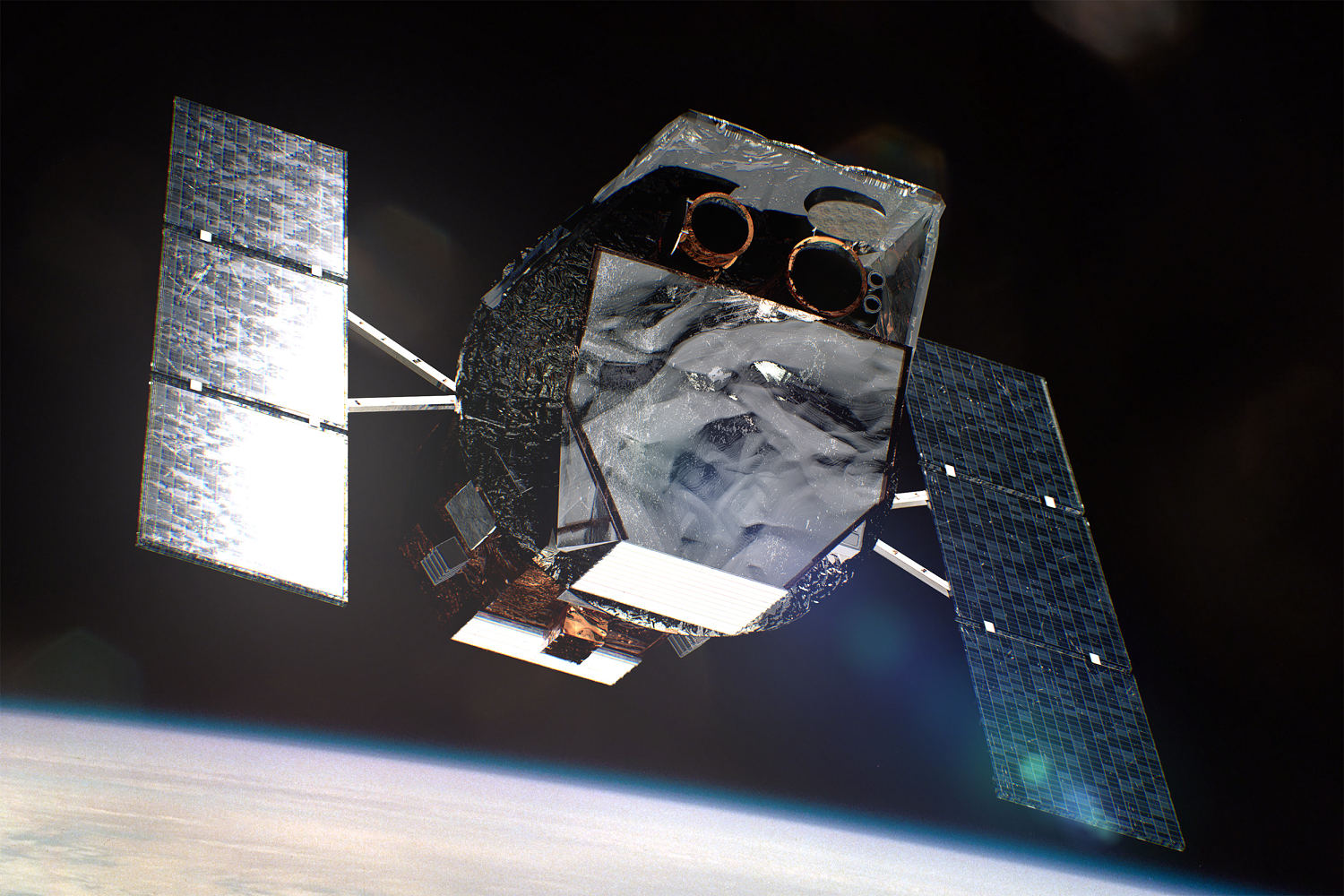
NASA's Urgent Mission: Saving the Swift Space Telescope from Atmospheric Destruction
•Introduction On June 30, 2023, NASA will embark on a high-stakes mission to rescue the Swift space telescope, an essential tool for understanding the universe.
•As the telescope nears the end of its operational life, concerns have arisen about its potential re-entry into Earth's atmosphere, prompting the agency to take action to salvage the mission's achievem...
•The Swift Space Telescope: A Brief Overview Launched in 2004, the Swift space telescope has become a cornerstone of modern astrophysics.
هذا الخبر من خبر - ترند. خبر يقدم أدوات ذكاء اصطناعي للتلخيص والترجمة والاستماع.
المصدر: خبر - ترند | Source: خبر - ترندIntroduction
On June 30, 2023, NASA will embark on a high-stakes mission to rescue the Swift space telescope, an essential tool for understanding the universe. As the telescope nears the end of its operational life, concerns have arisen about its potential re-entry into Earth's atmosphere, prompting the agency to take action to salvage the mission's achievements.
The Swift Space Telescope: A Brief Overview
Launched in 2004, the Swift space telescope has become a cornerstone of modern astrophysics. It has made significant contributions to the study of gamma-ray bursts, supernovae, and other cosmic phenomena, offering insights that were previously unattainable. The data collected by Swift has helped scientists understand the life cycles of stars and the expansion of the universe.
The Need for a Rescue Mission
As the years have progressed, Swift's systems have begun to show signs of wear and tear. The satellite was originally designed for a lifespan of just two years, but its operational capabilities have far exceeded expectations. However, the risk of failure has increased, leading to concerns that Swift could unintentionally re-enter the atmosphere and disintegrate, losing years of astronomical data and jeopardizing ongoing research.
Mission Details
The upcoming rescue mission involves a series of maneuvers aimed at stabilizing Swift's orbit and prolonging its operational lifespan. NASA engineers have developed a plan that will utilize the spacecraft's remaining fuel to adjust its trajectory, ensuring it remains in a stable orbit for as long as possible. This mission is an example of how space agencies must adapt their strategies to address the challenges posed by aging technology in space.
Technological and Scientific Implications
The implications of this mission extend beyond Swift itself. The technologies developed and lessons learned during the rescue operation could pave the way for future initiatives aimed at maintaining other aging space assets. As more satellites and telescopes reach the end of their operational life, NASA's response to Swift could serve as a model for similar missions in the years to come.
Public Engagement and Scientific Community Response
The Swift mission has garnered attention not just from scientists and engineers, but from the general public as well. NASA has planned outreach initiatives to educate people about the importance of the Swift telescope and the implications of its potential loss. Social media campaigns and online webinars will provide opportunities for the public to engage with experts and learn more about the mission's significance.
Conclusion
As NASA prepares for the June 30 launch, the success of the rescue mission will be watched closely by the global scientific community. Saving the Swift space telescope represents not only a commitment to preserving valuable scientific data but also highlights the importance of innovation in managing the challenges posed by aging technology in space exploration. The outcome of this mission could redefine how we approach the maintenance and longevity of our space assets, ensuring that humanity's quest for knowledge continues unabated.
ملاحظة تحريرية | Editorial Note: نُشر هذا المقال في الأصل بواسطة خبر - ترند. خبر (Khabr) هي منصة إعلامية أردنية مرخّصة تعمل بالذكاء الاصطناعي. نضيف قيمة تحريرية من خلال: تحليل ذكي للأخبار، ملخصات تلقائية، رواية صوتية بالذكاء الاصطناعي، ترجمة متعددة اللغات، وتدقيق الحقائق. هدفنا جعل الأخبار أكثر وضوحاً وسهولةً للقارئ العربي.
This article was originally published by خبر - ترند. Khabr is a licensed Jordanian AI-powered news platform (Registration #82086). We add editorial value through: AI-powered news analysis, automated summaries, AI audio narration, multi-language translation (Arabic, English, French, Turkish), and AI fact-checking. Our mission is to make news more accessible and understandable for Arabic-speaking audiences worldwide.