NASA’s $4 Billion Roman Space Telescope Heads To Florida For Launch
•InnovationScienceNASA’s $4 Billion Roman Space Telescope Heads To Florida For LaunchByJamie Carter,Senior Contributor.Forbes contributors publish independent expert analyses and insights.
•An award-winning reporter writing about stargazing and the night sky.Follow AuthorJun 02, 2026, 12:34pm EDT--:-- / --:--This voice experience is generated by AI.
•Learn more.This voice experience is generated by AI.
هذا الخبر من Forbes. خبر يقدم أدوات ذكاء اصطناعي للتلخيص والترجمة والاستماع.
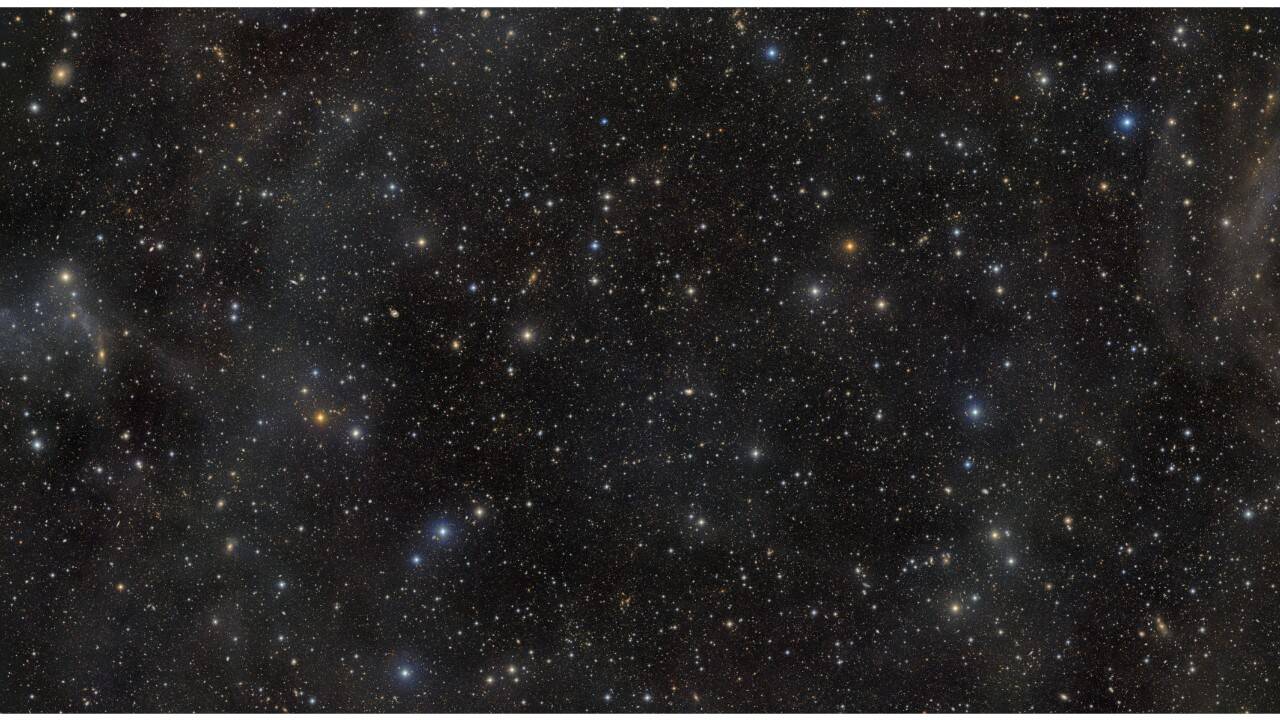
InnovationScienceNASA’s $4 Billion Roman Space Telescope Heads To Florida For LaunchByJamie Carter,Senior Contributor.Forbes contributors publish independent expert analyses and insights. An award-winning reporter writing about stargazing and the night sky.Follow AuthorJun 02, 2026, 12:34pm EDT--:-- / --:--This voice experience is generated by AI. Learn more.This voice experience is generated by AI. Learn more.WFIRST, shown here in an artist's rendering, will carry a Wide Field Instrument to provide astronomers with Hubble-quality images covering large swaths of the sky, enabling several studies of cosmic evolution. Its Coronagraph Instrument will directly image exoplanets similar to those in our own solar system and make detailed measurements of the chemical makeup of their atmospheres.NASA's Goddard Space Flight Center/Conceptual Image LabNASA’s next flagship observatory, often described as a successor to the Hubble Space Telescope, is about to leave NASA’s Goddard Space Flight Center in Maryland and head to Kennedy Space Center in Florida for final launch preparations ahead of a planned launch as early as September aboard a SpaceX Falcon Heavy rocket.In an announcement on Monday, June1, NASA said that the recently completed Roman Space Telescope would travel aboard NASA’s Pegasus barge, with its eventual lift-off planned for Launch Complex 39A.The journey marks the beginning of the final chapter before launch for a mission that could fundamentally change astronomers’ understanding of both the universe and the planets that populate our galaxy.A New Era Beyond HubbleNamed after NASA’s first chief astronomer and the woman often called the “Mother of Hubble,” the Roman Space Telescope combines a Hubble-sized 2.4-meter mirror with a field of view roughly 100 times larger than Hubble’s.That unique combination will allow Roman to generate the first sweeping panoramic views of the universe, helping scientists investigate dark energy, study cosmic evolution and...المصدر: Forbes | Source: Forbes
ملاحظة تحريرية | Editorial Note: نُشر هذا المقال في الأصل بواسطة Forbes. خبر (Khabr) هي منصة إعلامية أردنية مرخّصة تعمل بالذكاء الاصطناعي. نضيف قيمة تحريرية من خلال: تحليل ذكي للأخبار، ملخصات تلقائية، رواية صوتية بالذكاء الاصطناعي، ترجمة متعددة اللغات، وتدقيق الحقائق. هدفنا جعل الأخبار أكثر وضوحاً وسهولةً للقارئ العربي.
This article was originally published by Forbes. Khabr is a licensed Jordanian AI-powered news platform (Registration #82086). We add editorial value through: AI-powered news analysis, automated summaries, AI audio narration, multi-language translation (Arabic, English, French, Turkish), and AI fact-checking. Our mission is to make news more accessible and understandable for Arabic-speaking audiences worldwide.