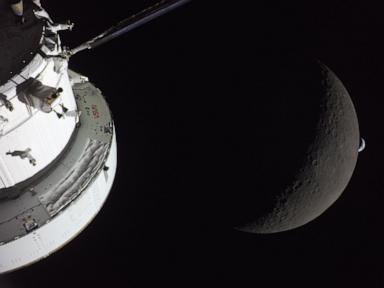
34||h=1&&(this.target=t[0]),t.length>=2&&(this.opts=t[1]);var n,r=this.opts||{},i=this.target;if("string"==typeof i?n=i:"object"==typeof i&&i instanceof y?n=i.url:window.URL&&"object"==typeof i&&i instanceof URL&&(n=i.href),o(this,n),"data"!==this.params.protocol){var s=(""+(i&&i instanceof y&&i.method||r.method||"GET")).toUpperCase();this.params.method=s,this.txSize=m(r.body)||0}}),u.on("fetch-done",function(t,e){if(this.endTime=a.now(),this.params||(this.params={}),"data"===this.params.protocol)return void g("Ajax/DataUrl/Excluded");this.params.status=e?e.status:0;var n;"string"==typeof this.rxSize&&this.rxSize.length>0&&(n=+this.rxSize);var r={txSize:this.txSize,rxSize:n,duration:a.now()-this.startTime};s("xhr",[this.params,r,this.startTime,this.endTime,"fetch"],this)})}},{}],18:[function(t,e,n){var r={};e.exports=function(t){if(t in r)return r[t];if(0===(t||"").indexOf("data:"))return{protocol:"data"};var e=document.createElement("a"),n=window.location,o={};e.href=t,o.port=e.port;var i=e.href.split("://");!o.port&&i[1]&&(o.port=i[1].split("/")[0].split("@").pop().split(":")[1]),o.port&&"0"!==o.port||(o.port="https"===i[0]?"443":"80"),o.hostname=e.hostname||n.hostname,o.pathname=e.pathname,o.protocol=i[0],"/"!==o.pathname.charAt(0)&&(o.pathname="/"+o.pathname);var a=!e.protocol||":"===e.protocol||e.protocol===n.protocol,s=e.hostname===document.domain&&e.port===n.port;return o.sameOrigin=a&&(!e.hostname||s),"/"===o.pathname&&(r[t]=o),o}},{}],19:[function(t,e,n){function r(t,e){var n=t.responseType;return"json"===n&&null!==e?e:"arraybuffer"===n||"blob"===n||"json"===n?o(t.response):"text"===n||""===n||void 0===n?o(t.responseText):void 0}var o=t(22);e.exports=r},{}],20:[function(t,e,n){function r(){}function o(t,e,n,r){return function(){return u.recordSupportability("API/"+e+"/called"),i(t+e,[f.now()].concat(s(arguments)),n?null:this,r),n?void 0:this}}var i=t("handle"),a=t(31),s=t(32),c=t("ee").get("tracer"),f=t("loader"),u=t(25),d=NREUM;"undefined"==typeof window.newrelic&&(newrelic=d);var p=["setPageViewName","setCustomAttribute","setErrorHandler","finished","addToTrace","inlineHit","addRelease"],l="api-",h=l+"ixn-";a(p,function(t,e){d[e]=o(l,e,!0,"api")}),d.addPageAction=o(l,"addPageAction",!0),d.setCurrentRouteName=o(l,"routeName",!0),e.exports=newrelic,d.interaction=function(){return(new r).get()};var m=r.prototype={createTracer:function(t,e){var n={},r=this,o="function"==typeof e;return i(h+"tracer",[f.now(),t,n],r),function(){if(c.emit((o?"":"no-")+"fn-start",[f.now(),r,o],n),o)try{return e.apply(this,arguments)}catch(t){throw c.emit("fn-err",[arguments,this,t],n),t}finally{c.emit("fn-end",[f.now()],n)}}}};a("actionText,setName,setAttribute,save,ignore,onEnd,getContext,end,get".split(","),function(t,e){m[e]=o(h,e)}),newrelic.noticeError=function(t,e){"string"==typeof t&&(t=new Error(t)),u.recordSupportability("API/noticeError/called"),i("err",[t,f.now(),!1,e])}},{}],21:[function(t,e,n){function r(t){if(NREUM.init){for(var e=NREUM.init,n=t.split("."),r=0;r0){var r=n[n.length-1];if(f&&f 5:33The Orion spacecraft captures the Moon and the Earth in one frame during the Artemis II deep space journey, April 6, 2026.NASANASA hopes to return humans to the surface of the moon in 2028. But unlike the Apollo era of the 1960s and 70s, where the astronauts came and went, the space agency has a grander vision this time. They want to eventually build a moon base capable of supporting a permanent settlement. When announcing the $20 billion plan in March, the space agency laid out its aspirational goal but left many of the details to be determined. On Tuesday, during a news conference, NASA provided an update on the base's development, including new details on its progress and the vendors it will use to achieve the first phase of its lunar roadmap. "America is returning to the moon," said NASA Administrator Jared Isaacman. "For all we hope to accomplish in this endeavor, what we are embarking upon is extremely challenging, and we know so little from what is a combined 80 hours of lunar astronaut EVA [extravehicular activity] time across the Apollo missions, and that was more than a half century ago." NASA's Space Launch System rocket carrying the Orion spacecraft launches on the Artemis II mission, on April 1, 2026, from Launch Complex 39B at NASA's Kennedy Space Center in Florida.Aubrey Gemignani/NASAIsaacman explained that the building of the Moon Base will occur in phases and be incremental. "We are not jumping right into the glass dome moon base as a service,” Isaacman said. "Because the moon base is as beautiful as it is hostile,” he added. Isaacman explained that in sunlight, the moon's surface can reach over 250 degrees. In the darkness, the temperature can drop below -250 degrees. He pointed out that because the moon lacks an atmosphere, there is no protection from radiation, space weather and meteorite impacts. These conditions make it challenging to build a permanent settlement. "Recognizing this reality, I'm often asked why we send our astronauts into such harsh and dangerous and unforgiving environment of space or the lunar surface, and at such great cost. And we go for the technology we will pioneer to get there, the science, and all that we will learn that will make life better here on earth to advance humankind on this great adventure, to inspire the next generation to do it better than we can, and to be very clear, to master the skills for where we will inevitably go next," said Isaacman. As the Artemis II crew came close to passing behind the Moon and experiencing a planned loss of signal, they captured this image of a crescent Earth setting on the Moon's limb, April 6, 2026.NASANASA said the initial development of the Moon Base will occur over three phases beginning now and stretching to 2032 and beyond. Moon Base Phase 1 is about demonstrating that the technology works as intended and that the private companies supplying much of the hardware are capable of delivering the products NASA is spending billions of dollars to procure. "Phase 1 has already started. From now through 29, we're going to work to make sure that getting to the lunar surface is a high-reliability endeavor, many assets we can deliver there. We're also going to test and experiment the science of survival, as the administrator said. We're going to experiment on the things that we know are ahead of us that we're going to need to build a permanent infrastructure, which is happening on phase two, and then permanent habitation on phase three," said Carlos García-Galán, NASA program executive for the Moon Base. For Phase 1, NASA anticipates 25 launches and 21 landings. They plan to send about 4 metric tons of cargo to the surface of the moon during that time and ramp up to that level during Phases 2 and 3. To achieve their plan, NASA is relying heavily on private space contractors to do much of the heavy lifting. During Tuesday's update, the agency outlined the first three Moon base missions and the companies that will provide the equipment. For Moon Base I, Jeff Bezos-backed Blue Origin is providing a lunar lander, called the Blue Moon Mark 1 Endurance Lander, that NASA hopes to launch no earlier than fall 2026. That mission will send scientific payloads to the South Pole region of the moon. Infographic illustrating a phased approach to Moon Base development near the lunar South Pole, showing the progression from early exploration and infrastructure deployment to sustained human presence on the Moon.Edmy S. Cruz Reyes/NASAAstrobotic, a Pittsburgh-based aerospace company, is building a second lander that will deliver more than 1,100 pounds of cargo to the lunar surface during the Moon Base II mission. The Moon Base III mission, also planned for 2026, "will fly the first payload selected through NASA’s Payloads and Research Investigations on the Surface of the Moon initiative,” according to an announcement from NASA. The agency says the mission will also include payloads from the European Space Agency and the Korea Astronomy and Space Science Institute. In addition to landers, NASA has awarded two companies, Astrolaub and Lunar Outpost, a total of $439 million to build and deliver lunar terrain vehicles that the Artemis astronauts can drive on the lunar surface during their visits. The lunar terrain vehicles, which can carry two people and drive between six and 9 miles per hour, can be operated autonomously and manually by the astronauts. Blue Origin will be responsible for delivering the rovers to the lunar surface under a contract worth up to $280 million. NASA hopes to get at least one of them to the moon before the Artemis IV astronauts arrive on the lunar surface. Dubbed the Moonfall mission, NASA also plans to send four drones to the moon to help it study the lunar surface and identify natural resources and potential landing sites. They will also use the technology to create a "Moon Base perimeter" that will identify the corners of a potential settlement site. NASA has awarded Firefly Aerospace with the contract to build the spacecraft that will take the drones to the moon. The agency is hoping to launch that mission in 2028. "For Phase 1, Moon Base is just a demonstration of capability. We hope this will work out and we'll be able to evolve that capability," said García-Galán. "I'm picturing the future of Moon Base, where we're starting to plan areas we're going to send the crews or rovers to robotically go to a specific crater or area of interest." Isaacman said NASA is working to establish a "lunar economy" because he doesn't believe the government can do it alone. "I don't believe that we are going to have the true kind of space-faring world we may have imagined as children reading science fiction books, if it's perpetually funded by taxpayers. So, it is vitally important that we figure out what generates value either in the unique environment of microgravity or on the lunar surface in excess of the cost that it takes to go into it," said Isaacman. 24/7 coverage of breaking news and live events NASA hopes to return humans to the surface of the moon in 2028. But unlike the Apollo era of the 1960s and 70s, where the astronauts came and went, the space agency has a grander vision this time. They want to eventually build a moon base capable of supporting a permanent settlement. When announcing the $20 billion plan in March, the space agency laid out its aspirational goal but left many of the details to be determined. On Tuesday, during a news conference, NASA provided an update on the base's development, including new details on its progress and the vendors it will use to achieve the first phase of its lunar roadmap. \"America is returning to the moon,\" said NASA Administrator Jared Isaacman. \"For all we hope to accomplish in this endeavor, what we are embarking upon is extremely challenging, and we know so little from what is a combined 80 hours of lunar astronaut EVA [extravehicular activity] time across the Apollo missions, and that was more than a half century ago.\" Isaacman explained that the building of the Moon Base will occur in phases and be incremental. \"We are not jumping right into the glass dome moon base as a service,” Isaacman said. \"Because the moon base is as beautiful as it is hostile,” he added. Isaacman explained that in sunlight, the moon's surface can reach over 250 degrees. In the darkness, the temperature can drop below -250 degrees. He pointed out that because the moon lacks an atmosphere, there is no protection from radiation, space weather and meteorite impacts. These conditions make it challenging to build a permanent settlement. \"Recognizing this reality, I'm often asked why we send our astronauts into such harsh and dangerous and unforgiving environment of space or the lunar surface, and at such great cost. And we go for the technology we will pioneer to get there, the science, and all that we will learn that will make life better here on earth to advance humankind on this great adventure, to inspire the next generation to do it better than we can, and to be very clear, to master the skills for where we will inevitably go next,\" said Isaacman. NASA said the initial development of the Moon Base will occur over three phases beginning now and stretching to 2032 and beyond. Moon Base Phase 1 is about demonstrating that the technology works as intended and that the private companies supplying much of the hardware are capable of delivering the products NASA is spending billions of dollars to procure. \"Phase 1 has already started. From now through 29, we're going to work to make sure that getting to the lunar surface is a high-reliability endeavor, many assets we can deliver there. We're also going to test and experiment the science of survival, as the administrator said. We're going to experiment on the things that we know are ahead of us that we're going to need to build a permanent infrastructure, which is happening on phase two, and then permanent habitation on phase three,\" said Carlos García-Galán, NASA program executive for the Moon Base. For Phase 1, NASA anticipates 25 launches and 21 landings. They plan to send about 4 metric tons of cargo to the surface of the moon during that time and ramp up to that level during Phases 2 and 3. To achieve their plan, NASA is relying heavily on private space contractors to do much of the heavy lifting. During Tuesday's update, the agency outlined the first three Moon base missions and the companies that will provide the equipment. For Moon Base I, Jeff Bezos-backed Blue Origin is providing a lunar lander, called the Blue Moon Mark 1 Endurance Lander, that NASA hopes to launch no earlier than fall 2026. That mission will send scientific payloads to the South Pole region of the moon. Astrobotic, a Pittsburgh-based aerospace company, is building a second lander that will deliver more than 1,100 pounds of cargo to the lunar surface during the Moon Base II mission. The Moon Base III mission, also planned for 2026, \"will fly the first payload selected through NASA’s Payloads and Research Investigations on the Surface of the Moon initiative,” according to an announcement from NASA. The agency says the mission will also include payloads from the European Space Agency and the Korea Astronomy and Space Science Institute. In addition to landers, NASA has awarded two companies, Astrolaub and Lunar Outpost, a total of $439 million to build and deliver lunar terrain vehicles that the Artemis astronauts can drive on the lunar surface during their visits. The lunar terrain vehicles, which can carry two people and drive between six and 9 miles per hour, can be operated autonomously and manually by the astronauts. Blue Origin will be responsible for delivering the rovers to the lunar surface under a contract worth up to $280 million. NASA hopes to get at least one of them to the moon before the Artemis IV astronauts arrive on the lunar surface. Dubbed the Moonfall mission, NASA also plans to send four drones to the moon to help it study the lunar surface and identify natural resources and potential landing sites. They will also use the technology to create a \"Moon Base perimeter\" that will identify the corners of a potential settlement site. NASA has awarded Firefly Aerospace with the contract to build the spacecraft that will take the drones to the moon. The agency is hoping to launch that mission in 2028. \"For Phase 1, Moon Base is just a demonstration of capability. We hope this will work out and we'll be able to evolve that capability,\" said García-Galán. \"I'm picturing the future of Moon Base, where we're starting to plan areas we're going to send the crews or rovers to robotically go to a specific crater or area of interest.\" Isaacman said NASA is working to establish a \"lunar economy\" because he doesn't believe the government can do it alone. \"I don't believe that we are going to have the true kind of space-faring world we may have imagined as children reading science fiction books, if it's perpetually funded by taxpayers. So, it is vitally important that we figure out what generates value either in the unique environment of microgravity or on the lunar surface in excess of the cost that it takes to go into it,\" said Isaacman.
المصدر: ABC News
| Source: ABC News