NASA announces astronauts for its Artemis III mission to test new moon landers
•9, 2026, 4:13 PM UTCSpaceSpaceNASA announces astronauts for its Artemis III mission to test new moon landersThe crew is expected to launch to Earth orbit next year to conduct demonstrations with one o...
•Subscribe to read this story ad-free Get unlimited access to ad-free articles and exclusive content.Randy Bresnik, Luca Parmitano, Frank Rubio and Andre Douglas are scheduled to launch into Earth orbi...
•Bresnik will be the mission’s commander, with Parmitano, an Italian astronaut with the European Space Agency, serving as the pilot.
هذا الخبر من NBC News. خبر يقدم أدوات ذكاء اصطناعي للتلخيص والترجمة والاستماع.
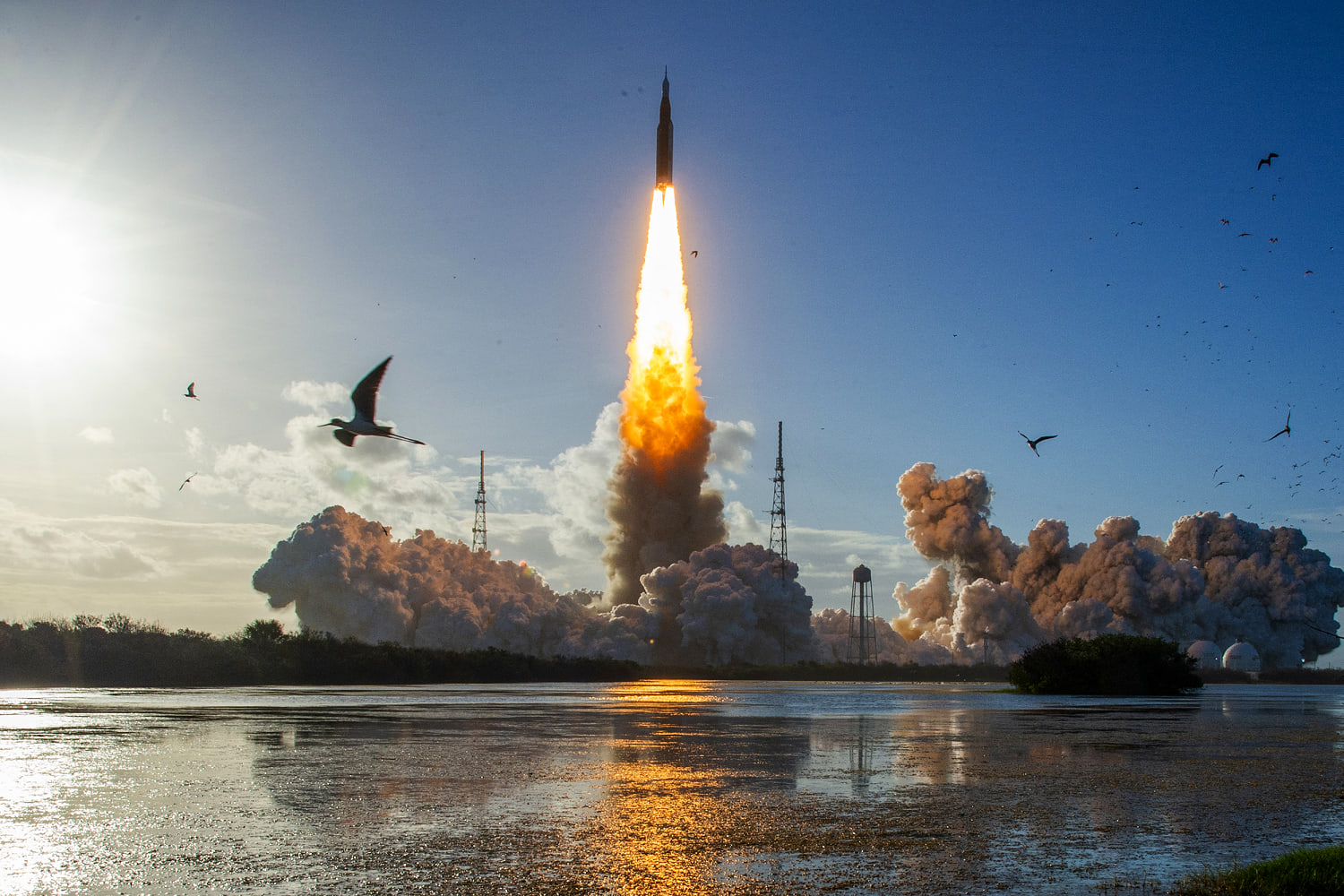
BREAKING NEWSJun. 9, 2026, 4:13 PM UTCSpaceSpaceNASA announces astronauts for its Artemis III mission to test new moon landersThe crew is expected to launch to Earth orbit next year to conduct demonstrations with one or both of the lunar landers that SpaceX and Blue Origin are building.Listen to this article with a free account00:0000:00The Artemis II mission lifts off from the Kennedy Space Center in Cape Canaveral, Fla., on April 1.Jim Watson / AFP via Getty Images fileShareAdd NBC News to GoogleBy Evan Bush and Denise ChowNASA named the four astronauts it plans to send on the Artemis III mission Tuesday, the next major step in its return-to-the-moon program. Subscribe to read this story ad-free Get unlimited access to ad-free articles and exclusive content.Randy Bresnik, Luca Parmitano, Frank Rubio and Andre Douglas are scheduled to launch into Earth orbit next year to test out at least one of the commercially developed lunar landers expected to carry NASA astronauts to the surface of the moon in 2028. Bresnik will be the mission’s commander, with Parmitano, an Italian astronaut with the European Space Agency, serving as the pilot. Douglas and Rubio will be mission specialists, and NASA astronaut Bob Hines will train with the crew as a backup member. Elon Musk’s SpaceX and Jeff Bezos’ Blue Origin are racing to build the landers that the Artemis III mission aims to test. Both companies said in updates Tuesday that they expect their landers to be ready by then. “This test flight will enable us to prove we can carry out highly choreographed operations with our partners across hardware interfaces, software propulsion systems, and life support elements with crew in the high stakes space environment,” said Jeremy Parsons, NASA’s Artemis Program Manager. The Artemis III mission is expected to last about two weeks, Parsons said — roughly four days longer than the Artemis II mission around the moon earlier this year. It’s intended to be the Artemis program’s final testing...المصدر: NBC News | Source: NBC News
ملاحظة تحريرية | Editorial Note: نُشر هذا المقال في الأصل بواسطة NBC News. خبر (Khabr) هي منصة إعلامية أردنية مرخّصة تعمل بالذكاء الاصطناعي. نضيف قيمة تحريرية من خلال: تحليل ذكي للأخبار، ملخصات تلقائية، رواية صوتية بالذكاء الاصطناعي، ترجمة متعددة اللغات، وتدقيق الحقائق. هدفنا جعل الأخبار أكثر وضوحاً وسهولةً للقارئ العربي.
This article was originally published by NBC News. Khabr is a licensed Jordanian AI-powered news platform (Registration #82086). We add editorial value through: AI-powered news analysis, automated summaries, AI audio narration, multi-language translation (Arabic, English, French, Turkish), and AI fact-checking. Our mission is to make news more accessible and understandable for Arabic-speaking audiences worldwide.