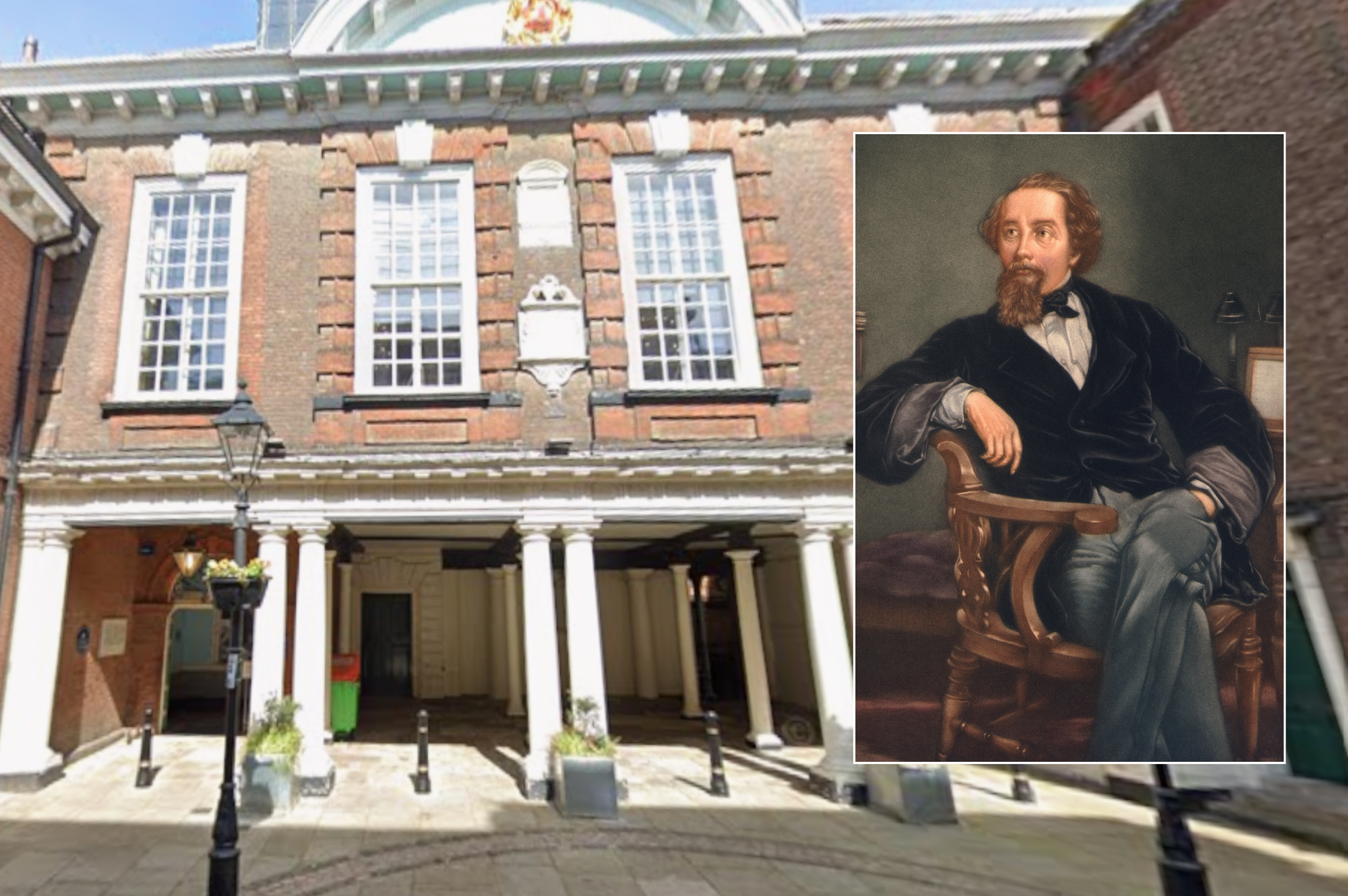
A museum has been branded "ludicrous" by a local historian after staff were told Charles Dickens would "cause great offence today".
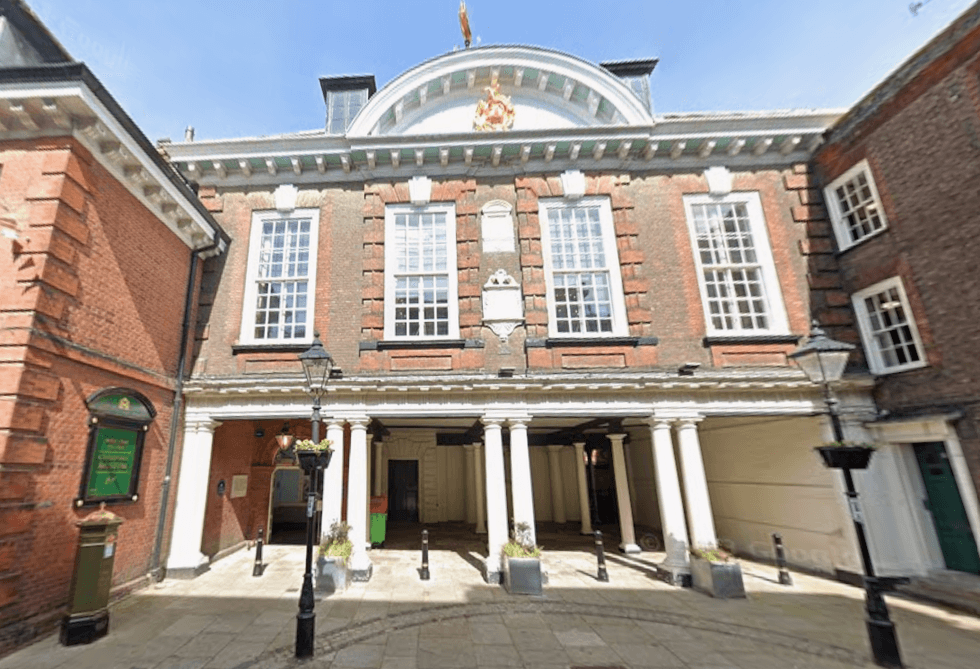
Staff at Rochester's Guildhall Museum have been given guidance on how to respond to visitor queries about the author's opinions on race and empire, despite the institution having received no complaints on the matter.
The advice instructs employees to acknowledge the celebrated Victorian author held views that "can cause great offence today" and to distance the museum from any positions deemed "particularly upsetting".
Medway Council, which operates the museum, said the purpose was "not to diminish his importance, but to ensure staff are equipped to address historical issues accurately and sensitively where they arise in conversation with visitors".
The guidance concerns the museum's permanent "Making of Mr Dickens" exhibition, inaugurated by Queen Camilla in 2022.
Shane Waterman, a historian who has led tours of Rochester for 10 years, branded the museum's approach "ludicrous".
He told the BBC: "Comparing his views from 170 years ago to today is really ludicrous."
Mr Waterman argued Dickens was considered progressive during his lifetime, noting his advocacy for the poor and his liberal political outlook.
The historian suggested many of the author's controversial statements are frequently quoted without proper context, particularly those concerning his son Walter's being sent to India in 1857.
Mr Waterman added: "Time moves on, we learn from things."
He maintained Dickens' private correspondence reflected a father's anxieties during a turbulent period rather than representing his broader legacy.
An internal memo circulated to museum staff outlined specific concerns regarding the author's stance on the British Empire.
LATEST DEVELOPMENTS
- British exam board axes George Orwell's debut novel but adds 'poorly researched feminist attack'
- Plaid Cymru accused of 'cultural extremism' and 'rewriting history' in bid to decolonise museums
- Safety fears as woke church welcomes biological men into women's toilets
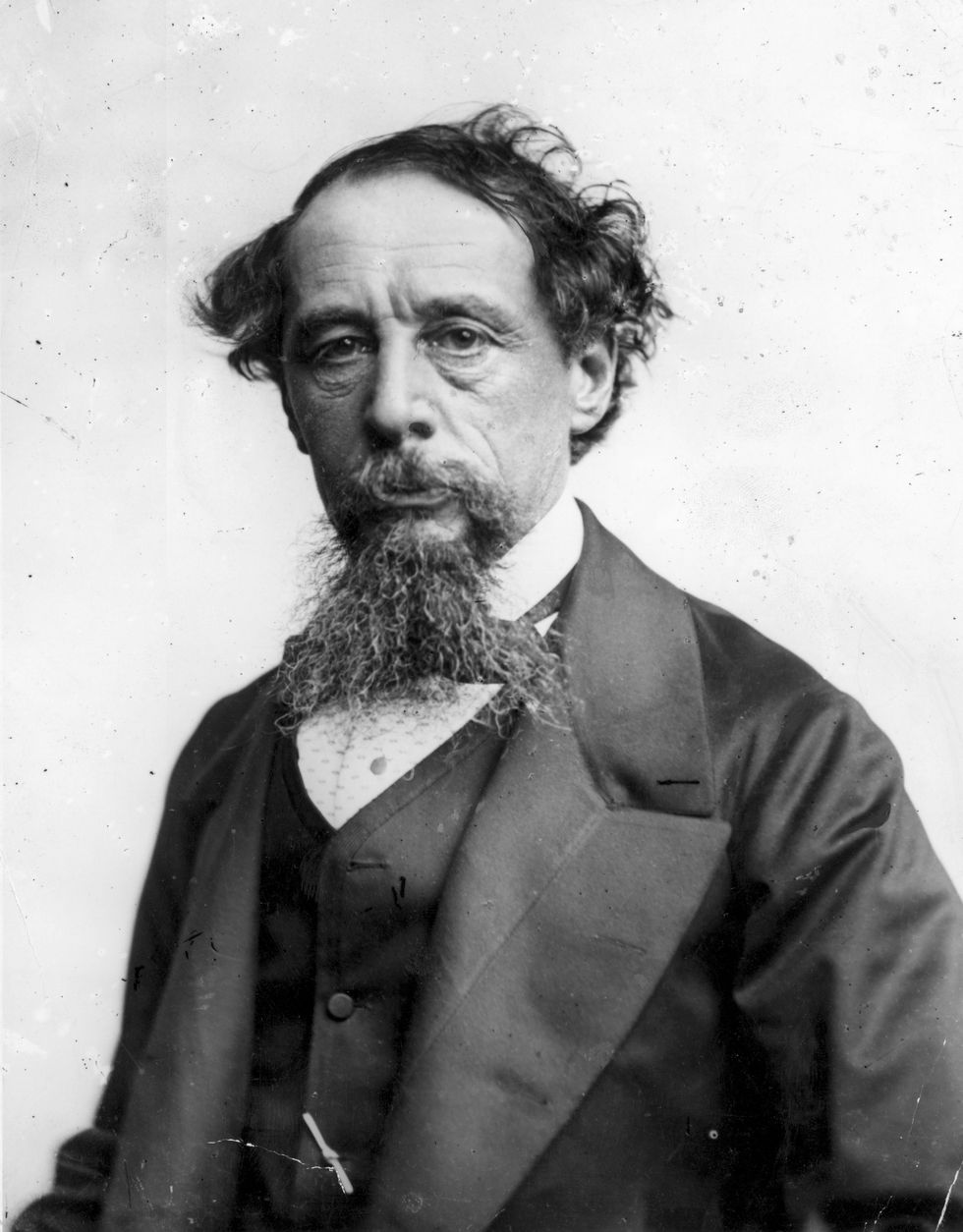
It said he believed it was "the best way to make the world more like white, middle-class England".
The document also noted Dickens "made a link between race and moral worth" in portions of his writing.
Museum officials highlighted the author's response to the Indian Mutiny of 1857, during which thousands of British people lost their lives, and Dickens demanded retribution.
The guidance acknowledges "today we reject his views" whilst noting during Dickens' era, prominent figures advocated for "the universal worth of all people and cultures, regardless of race or background".
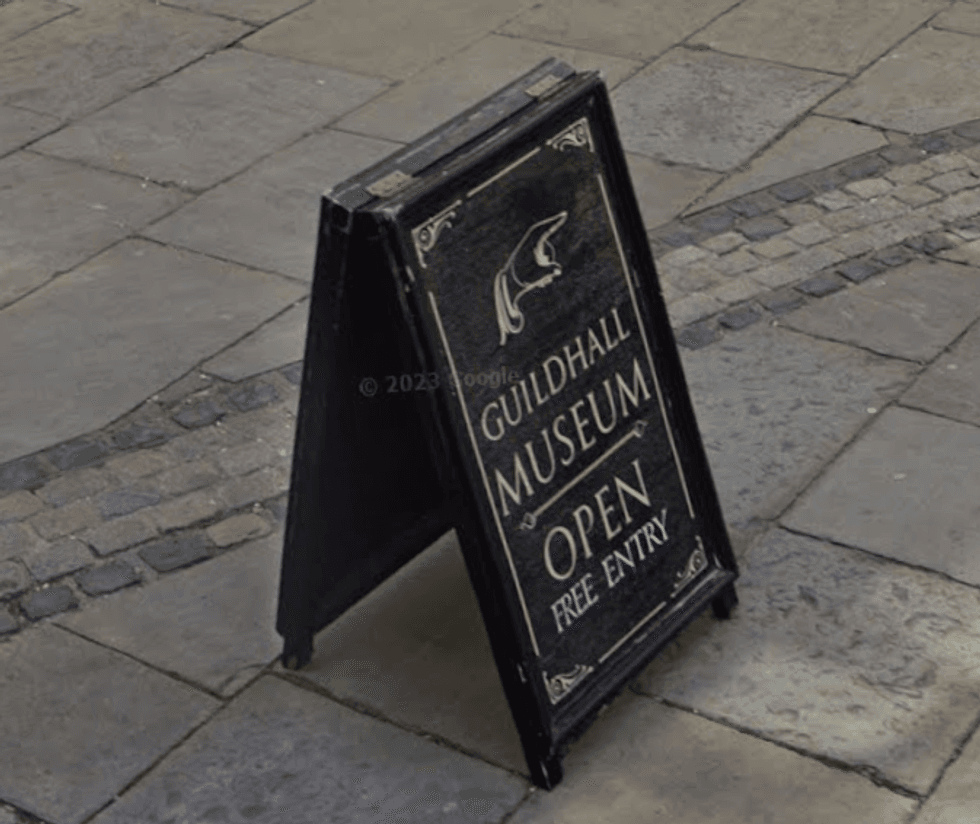
Residents of Rochester, a town that inspired locations in Great Expectations and The Mystery of Edwin Drood, rallied behind the literary icon.
Lorna Povey said: "I just think it's all gone a bit mad, to be honest," arguing against judging historical figures purely through a contemporary lens.
Sue Knight and Christina Smith dismissed the guidance as "silly", suggesting it risked undermining something that partly defines the town.
Ms Knight said: "Things he was writing about are still relevant today, and Dickens is a big part of what the high street celebrates."
GB News has reached out to Medway Council for further comment.
Our Standards: The GB News Editorial Charter