Casablanca – As war disrupts energy flows and trade routes across the Middle East, Morocco finds itself in a more nuanced position than much of the region. The country is cushioned in part by its structure as an energy importer but still exposed to mounting external pressures, according to the IMF’s latest regional outlook.
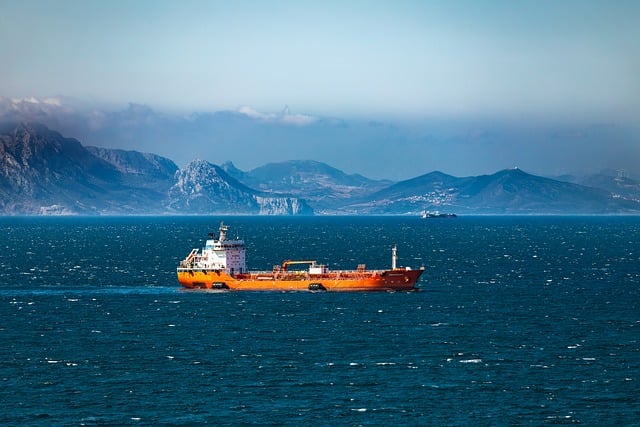
Since it began on February 28, the conflict has quickly moved beyond a localized shock. The near halt of traffic through the Strait of Hormuz, combined with damage to oil and gas infrastructure in several Gulf countries, has tightened global energy markets and pushed Brent crude above $100 per barrel. Prices for natural gas, fertilizers, and metals have followed, feeding into production costs and inflation worldwide.
According to its “April 2026 Regional Economic Outlook Update: Middle East and Central Asia” report, the IMF now expects growth across the Middle East, North Africa, Afghanistan, and Pakistan region to slow sharply to 1.4% in 2026, a downgrade of 2.3% points compared to its October projections.
The headline number masks a stark divide. Oil-exporting economies directly exposed to the conflict are facing severe contractions, with growth revisions of up to 15% points in some cases, as energy production and exports are disrupted.
By contrast, Morocco sits on the other side of that shock. As an oil importer, it is not directly hit by infrastructure damage or export losses. The IMF notes that growth downgrades for this group remain limited, at around 0.3% points, reflecting stronger pre-war momentum and less direct exposure to the conflict.
But this relative insulation comes with trade-offs. Higher energy prices act as a tax on the economy. The IMF estimates that for oil-importing countries, every 10% increase in crude prices reduces growth by about 0.5% point while adding a full percentage point to inflation.
In Morocco’s case, this translates into rising import costs, pressure on household purchasing power, and tighter margins for businesses already navigating global uncertainty.
Read also: Strait of Hormuz Tensions Show Why Crypto Thrives in Times of Crisis
Financial conditions are already shifting. Moroccan sovereign bond yields have risen from around 5.5% before the war to close to 6% in early April, a sign that investors are reassessing risk across emerging markets as global uncertainty deepens.
There are also less visible channels of transmission. The collapse in air traffic across Gulf hubs, in some cases dropping by two-thirds or more, points to weakening regional connectivity. For Morocco, which relies heavily on tourism and trade flows with Europe and beyond, prolonged instability in key transit corridors could dampen travel demand and logistics activity.
The broader concern is duration. The IMF’s baseline assumes that disruptions ease by mid-2026. That assumption is already under strain as damage to energy infrastructure increases and uncertainty remains high despite the April 7 ceasefire.
A prolonged conflict would amplify the shock, particularly for import-dependent economies, through sustained price pressures, weaker external balances, and tighter financing conditions.
Against this backdrop, the IMF is urging caution. Rather than broad subsidies, it recommends targeted support for vulnerable households and a disciplined fiscal stance. Central banks, meanwhile, may need to maintain or tighten policy to prevent inflation from becoming entrenched.
Morocco’s position, then, is not one of immunity but of relative resilience. It is avoiding the worst of the immediate shock. But it remains tied to a global system where energy, trade, and finance are all under strain. The longer the conflict drags on, the narrower that margin becomes.
Morocco World News is also on X — check out our latest posts now! Get MWN on iOS and Android for instant access to breaking news.
The post Morocco Faces Rising Economic Pressure as Middle East War Drives Regional Slowdown appeared first on Morocco World News.