More ships crossing the Strait of Hormuz despite blockade, tracking data shows
Shipping traffic through the Strait of Hormuz, a vital maritime corridor for oil and gas exports, has shown signs of increased vessel movement in recent days despite ongoing military tensions and a US naval blockade targeting Iranian ports.
Maritime tracking data and reporting indicate that a growing number of commercial vessels have continued to transit the narrow waterway, which had seen dramatic declines in activity earlier in the conflict.
On April 16, data compiled by monitoring firm Marine Insight shows that more than 20 vessels transited the strait within a 24-hour period amid the blockade, even as some ships were ordered to turn back or reroute.
The United States announced a naval blockade and has allowed 'zero ships' in and out of Iranian ports starting 6pm on Monday (April 13, 2026, 6pm Gulf time).
The blockade was ordered by US President Donald Trump after talks with Iran in Pakistan failed to make progress and Iran kept the threat of Hormuz closure as part of the leverage.
Who's free to pass the blockade?
The United States Central Command (CENTCOM), however, clarified that vessels sailing to and from non-Iranian destinations remain free to pass through the strategic waterway.
Reuters tracking data noted that at least eight merchant vessels — including three tankers linked to Iran — made transit attempts in the days following the US blockade announcement.
Independent counts Jazeera reported that 279 vessels have passed through the strait since hostilities began in late February, though the total includes a period of heavily reduced traffic due to security risks.
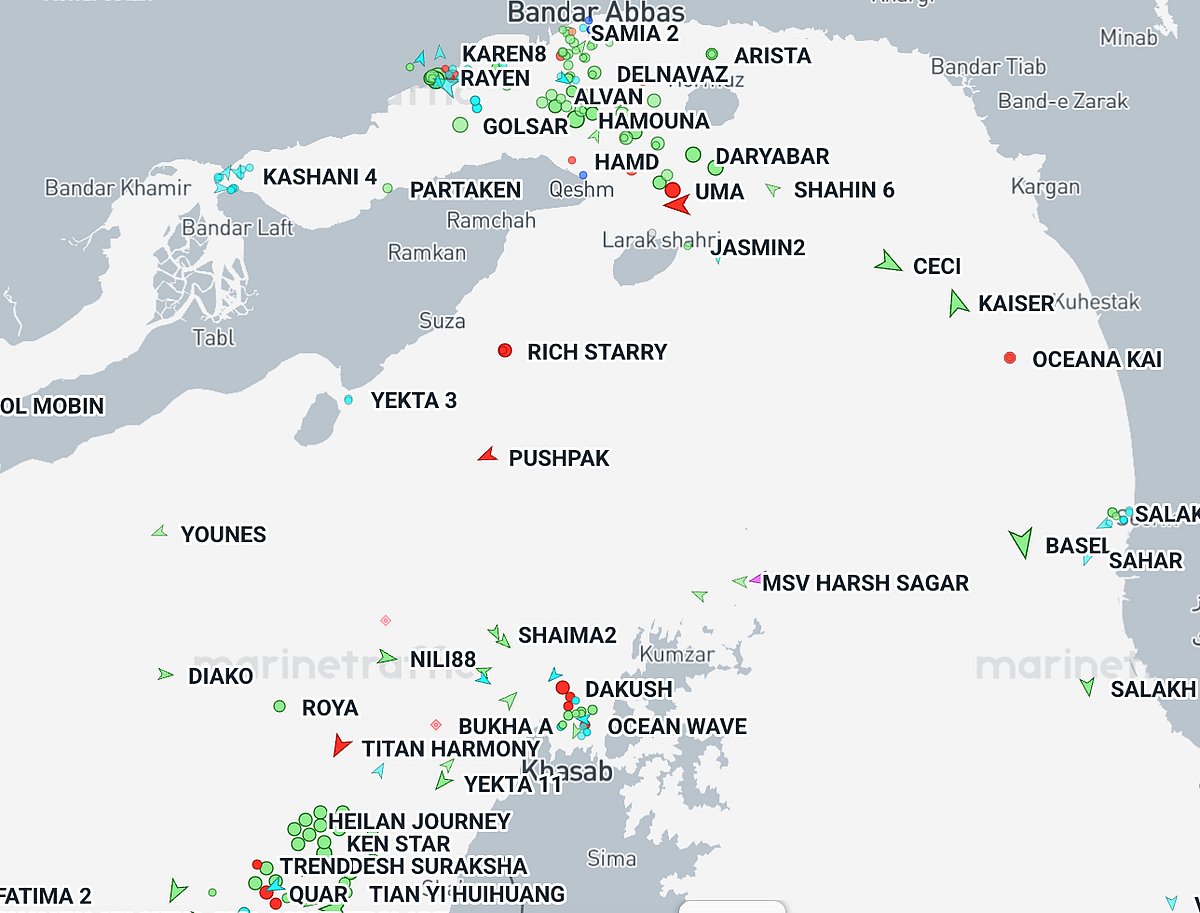
Most of the recent crossings appear to involve ships bound for or departing from non-Iranian ports, consistent with US Central Command statements that the blockade does not bar vessels not tied to Iranian trade.
Some maritime analysts have also noted shifts in vessel routing, with ships using designated corridors along the Iranian and Omani coasts amid security concerns and alternative transit advisories.
Despite the uptick, overall traffic remains far below peacetime levels.
Pre-war, roughly 100 or more commercial ships a day moved through Hormuz Strait before the escalation of conflict.
Continued transit, however, reflects resilient commercial efforts to maintain critical supply chains even as geopolitical tensions persist in the region.