⚡ عاجل: كريستيانو رونالدو يُتوّج كأفضل لاعب كرة قدم في العالم●⚡ أخبار عاجلة تتابعونها لحظة بلحظة على خبر●⚡ تابعوا آخر المستجدات والأحداث من حول العالم●
AI اقتراحات ذكية
AI مباشر|--مشاهد مباشر
1,066,603مقال401مصدر نشط228قناة مباشرة3,276خبر اليوم
آخر تحديث:منذ ثانيتين
Moon streams in 4K glory: How Artemis II's laser tech revolutionises space comms
•NASA's Artemis II mission has achieved a historic milestone by successfully beaming high-definition 4K video from lunar orbit back to Earth using the Orion Artemis II Optical Communications System (O2...
•Launched on April 1, 2026, the crewed Orion spacecraft — carrying four astronauts on NASA's first human lunar flyby in over 50 years — tested this infrared laser technology during its lunar approach,...
•4K cameras record the Moon scenes onboard Orion; O2O converts that into a laser stream and sends it to Earth at ~260 Mbps, enabling live or near‑live 4K video from deep space.Tech leap explainedTradit...
هذا الخبر من Gulf News. خبر يقدم أدوات ذكاء اصطناعي للتلخيص والترجمة والاستماع.
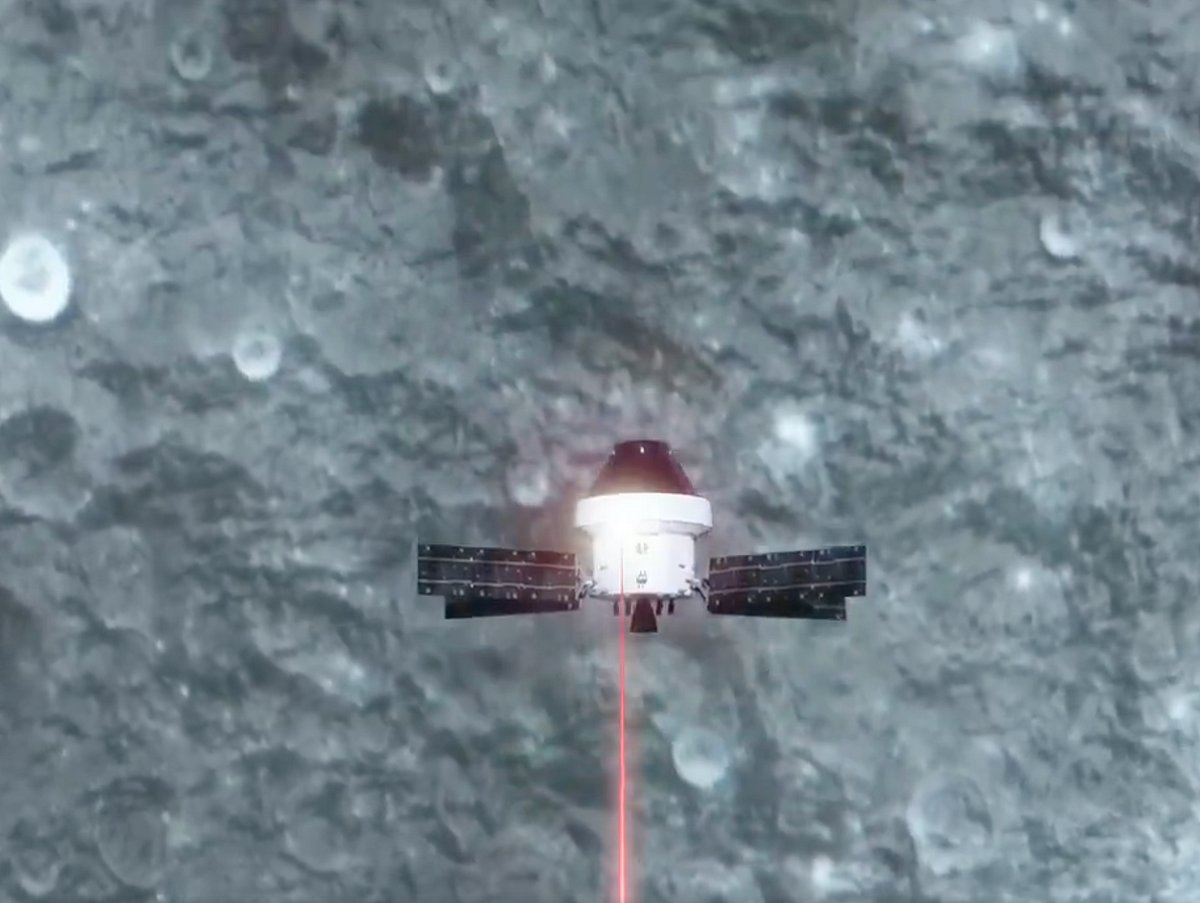
NASA's Artemis II mission has achieved a historic milestone by successfully beaming high-definition 4K video from lunar orbit back to Earth using the Orion Artemis II Optical Communications System (O2O).
Launched on April 1, 2026, the crewed Orion spacecraft — carrying four astronauts on NASA's first human lunar flyby in over 50 years — tested this infrared laser technology during its lunar approach, streaming crystal-clear footage of the moon's surface at speeds up to 260 megabits per second (Mbps).
O2O is a laser‑based (optical) communications system mounted on the Orion capsule of the Artemis II mission. 4K cameras record the Moon scenes onboard Orion; O2O converts that into a laser stream and sends it to Earth at ~260 Mbps, enabling live or near‑live 4K video from deep space.
Tech leap explained
Traditional radio frequency (RF) systems, like those used in the Apollo era, maxed out at low data rates — about 7 GB per day via S-band — limiting transmissions to grainy images and basic telemetry.
O2O flips the script with laser beams, packing vastly more data into tighter, higher-frequency infrared light waves for smaller, lighter hardware with lower power needs.
Data, delivered at the speed of light.
Orion’s Artemis II Optical Communications System (O2O) downlinked more than 100 gigabytes of data using laser communications. The image below is just one of the many files transmitted. Learn more about O2O: https://t.co/t1DvosJZ7Opic.twitter.com/lb3L9u5VrC
This enables not just 4K video from Orion's 28 cameras but also high-res images, flight plans, and science data — over 230 GB in two one-hour sessions, a 30-fold boost.
Ground stations in Las Cruces, New Mexico; Table Mountain, California; and Haleakala, Hawaii, receive these beams, chosen for clear skies despite challenges like clouds or spacecraft wobbles.
A 41-minute "dark period" occurs when Orion passes the moon's far side, but future relays could fix that.
4K video means a video with about 4,000 pixels across the width of the image, giving it roughly four times the resolution of full‑HD (1080p).
The Orion Artemis II Optical Comm System (O2O) is one of many payloads that demonstrate laser communications, which can send science and exploration data to and from space more efficiently.
Nasa said that the O2O terminal has downlinked more than 100 GB of data so far, demonstrating laser communications during the mission showcasing the benefits laser communications can have for human spaceflight.
Bigger picture
Funded by NASA's Space Communications and Navigation program, O2O paves the way for data-hungry deep-space missions, from Artemis onward.
Public streams showcase the moon like never before, bringing lunar exploration to living rooms in stunning detail.
4K video on Orion (Artemis II) using O2O
For the Orion (Artemis II) Moon mission, 4K video is captured onboard by high‑resolution cameras (commercial off‑the‑shelf digital‑still/video cameras adapted for space), then beamed back to Earth using O2O.
4K video comes in two common formats: 3840×2160 pixels (4K UHD) TV/streaming, and 4096×2160 pixels (DCI 4K) for digital cinema — the higher pixel count makes the picture much sharper and more detailed, especially on large screens.
Instead of using traditional radio‑frequency links, it encodes the video data into infrared laser beams and shoots them toward ground‑based optical receivers in places like Las Cruces, New Mexico, and Table Mountain, California, which are chosen for low cloud cover.
Data rate: O2O can transmit up to about 260 megabits per second, enough to send 4K high‑definition video from lunar distance in near‑real time.
Why lasers help: Laser‑link wavelengths are much shorter than radio waves, so they can pack far more data into the same “beam width,” allowing high‑resolution video without the multi‑day‑delay archives of older (Apollo) missions.
ملاحظة تحريرية | Editorial Note:
نُشر هذا المقال في الأصل بواسطة Gulf News.
خبر (Khabr) هي منصة إعلامية أردنية مرخّصة تعمل بالذكاء الاصطناعي.
نضيف قيمة تحريرية من خلال: تحليل ذكي للأخبار، ملخصات تلقائية، رواية صوتية بالذكاء الاصطناعي، ترجمة متعددة اللغات، وتدقيق الحقائق.
هدفنا جعل الأخبار أكثر وضوحاً وسهولةً للقارئ العربي.
This article was originally published by Gulf News.
Khabr is a licensed Jordanian AI-powered news platform (Registration #82086).
We add editorial value through: AI-powered news analysis, automated summaries, AI audio narration, multi-language translation (Arabic, English, French, Turkish), and AI fact-checking.
Our mission is to make news more accessible and understandable for Arabic-speaking audiences worldwide.
هذا الخبر ضمن تغطية خبر لقسم علوم.
نقدّم لك تحليلات ذكية وملخصات يومية لأهم الأخبار من مصادر موثوقة متعددة.
المصدر: Gulf News.
يوجد 6 مقالات مرتبطة بهذا الموضوع.
This article is part of Khabr's coverage of Science.
We provide AI-powered analysis, summaries, and multi-source aggregation to keep you informed.
Source: Gulf News.
Tags: Artemis II, space, technology, communications.
🍪 نستخدم ملفات تعريف الارتباط لتحسين تجربتك وعرض الإعلانات المخصصة. باستخدامك للموقع، فإنك توافق على سياسة ملفات تعريف الارتباط وسياسة الخصوصية.
We use cookies to enhance your experience and show personalized ads. By using this site, you agree to our Cookie Policy and Privacy Policy.
🔍
FREEFree 1GB Internet + Free International Calls
$1 trial — eSIM in 190+ countries — No roaming charges