Montana tribes combine traditional knowledge and Western science in climate plan
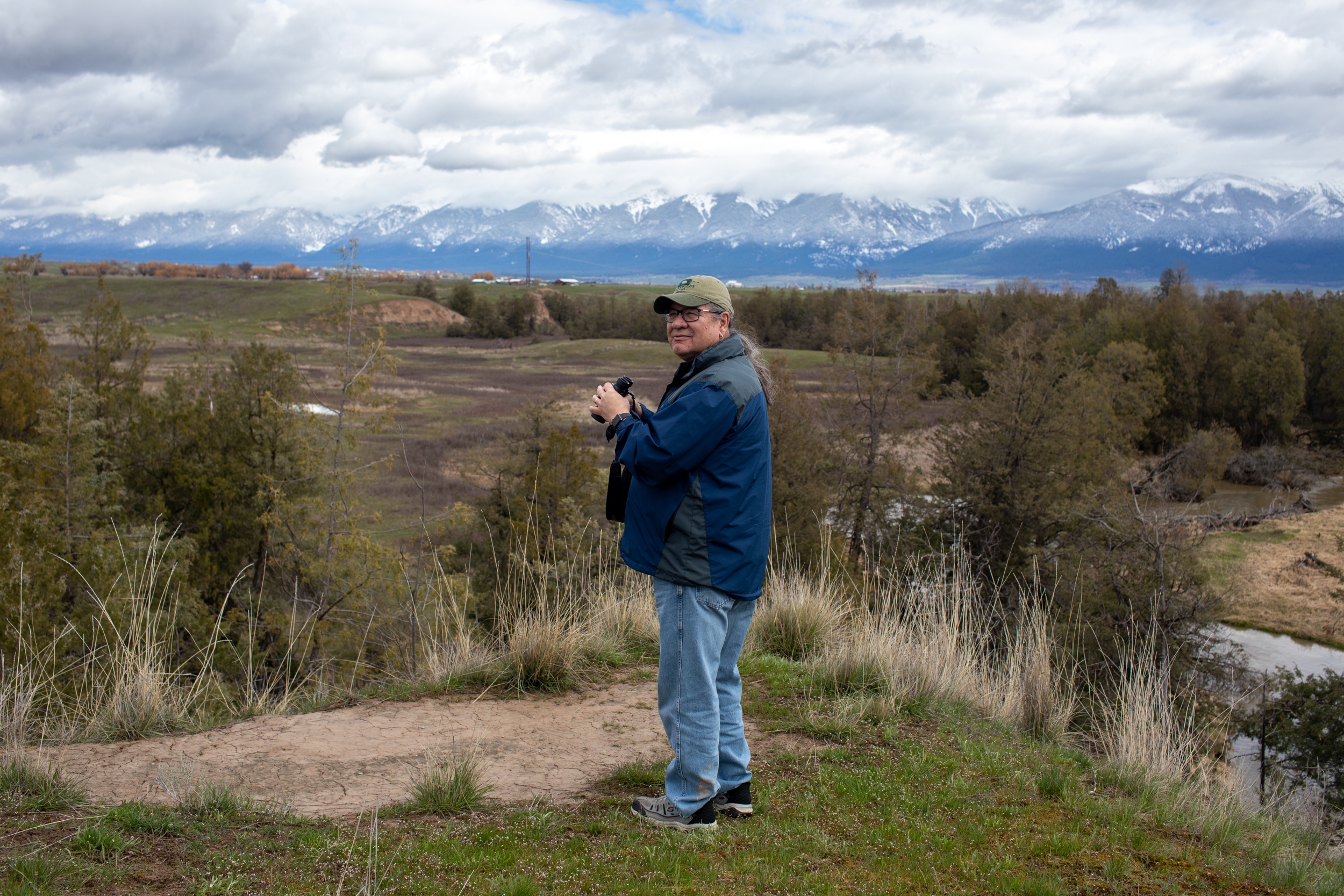
Montana tribes combine traditional knowledge and Western science in climate plan May 18, 20265:00 AM ET From By Ellis Juhlin Mike Durglo Jr. has devoted his life to preparing his home and his people for climate change. As the Confederated Salish and Kootenai Tribes climate change coordinator he wrote one of the first tribal climate action plans in the country over 15 years ago. Ryan Kellman/NPR hide caption toggle caption Ryan Kellman/NPR NPR is dedicating a week to stories and conversations about how communities are moving forward on climate solutions despite significant political headwinds. As the federal government halts plans to address climate change, states, cities, regions, and even neighborhoods are trying to fill the gap by cutting climate pollution and adapting to extreme weather. RONAN, Montana — On a crisp April morning, Mike Durglo Jr. stood on a hillside overlooking a stretch of the 1.2-million-acre Flathead Indian Reservation — the home of the Confederated Salish and Kootenai Tribes. He pointed out the mountains where his father taught him how to track deer, and then to a peak in the distance where a lone whitebark pine stands against the snow. Sponsor Message He calls the tree Ilawya: "It means my great, great, great, grandparent," he said, explaining how the massive, ancient tree represents resilience in the face of change. Montana, like much of the west, had a record-breaking warm spring this year, with snowpack well below average across much of the state. Ryan Kellman/NPR hide caption toggle caption Ryan Kellman/NPR Warmer temperatures, beetle outbreaks, and an invasive fungus have killed half the population of the sacred trees since the 1990s. But whitebark pines are a symbol of hope to Durglo. The Tribes have been harvesting cones from healthy trees to regrow seedlings resistant to the fungus. Restoring whitebark pine forests will also help keep snow on the landscape longer and stave off drought and wildfires. Climate Why the Stillaguamish...المصدر: NPR | Source: NPR
ملاحظة تحريرية | Editorial Note: نُشر هذا المقال في الأصل بواسطة NPR. خبر (Khabr) هي منصة إعلامية أردنية مرخّصة تعمل بالذكاء الاصطناعي. نضيف قيمة تحريرية من خلال: تحليل ذكي للأخبار، ملخصات تلقائية، رواية صوتية بالذكاء الاصطناعي، ترجمة متعددة اللغات، وتدقيق الحقائق. هدفنا جعل الأخبار أكثر وضوحاً وسهولةً للقارئ العربي.
This article was originally published by NPR. Khabr is a licensed Jordanian AI-powered news platform (Registration #82086). We add editorial value through: AI-powered news analysis, automated summaries, AI audio narration, multi-language translation (Arabic, English, French, Turkish), and AI fact-checking. Our mission is to make news more accessible and understandable for Arabic-speaking audiences worldwide.