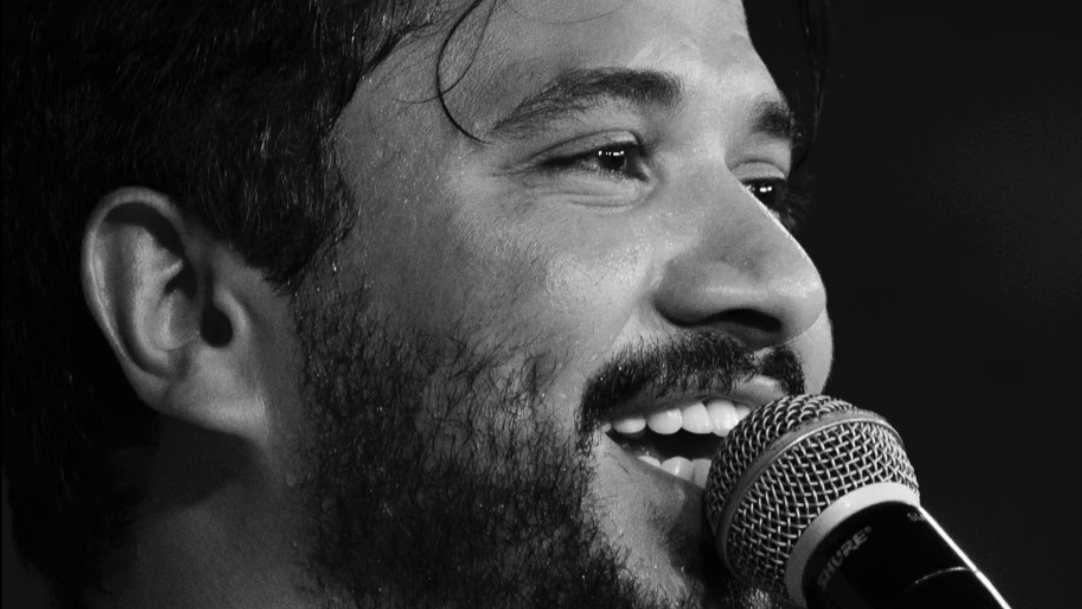
BusinessHollywood & EntertainmentMind Reading: David Archuleta Went Through Hell Reconciling His Sexuality And His Faith. With His New Memoir, He Wants To Help OthersByCathy Applefeld Olson, Contributor. Forbes contributors publish independent expert analyses and insights. Cathy Applefeld Olson is a journalist and founder of Hollywood & MindFollow AuthorMay 22, 2026, 01:13pm EDT--:-- / --:--This voice experience is generated by AI. Learn more.This voice experience is generated by AI. Learn more.David ArchuletaJoseph AdivariThree months after the publication of Devout, David Archuleta is both digging deeper into the journey that led him to write his memoir and finding more balance in his life since the New York Times best seller debuted. Archuleta became a household name in 2008, when at 17 he was a contestant on the seventh season of “American Idol.” While fan votes poured in, those same fans had no idea he was wrestling with deep inner turmoil about how to reconcile his sexuality with his upbringing in the Church of Latter-Day Saints. “I just didn't really know how to trust myself,” he says. “It was the struggle of trying to please my dad, trying to please God and how I interpreted what that meant. And a lot of that had to do with my sexuality,” he says. “I was taught feelings aren’t always trustworthy, that sometimes you have to go against your feelings and be disciplined. You don’t have to act on feelings, and being gay is a feeling. But I think it was deflecting from the question of what being gay actually is. There are queer kids, and I was one of them but no one really taught me anything about it and so I didn't know how to make sense of it.” Archuleta recalls being mired in shame and guilt that at times made it difficult to be in front of people. “You start compartmentalizing things and suppressing thoughts and feelings that you don't know how to make sense of. You try to shut it out, but it's still there.” What TV viewers interpreted as shy and endearing qualities “was actually terror,” he says. “I thought hiding was the solution to my sexuality. And then suddenly I was one of the frontrunners of my season and I was like, Oh I can't hide anymore. I felt like it was a struggle that everyone was now observing and maybe they didn't know exactly what was going on.” MORE FOR YOUPost “Idol,” Archuleta threw himself into his music and even more so into trying to fit the ideal of a young Morman man. Among efforts—three engagements to women that ended up breaking off. “What I had learned and understood was being gay is a sin and the way to overcome that is to get married and have a family,” he says. As the cacophony in his head grew louder, Archuleta reached a point where he considered taking his life. I was taught, ‘Doubt your doubts before you doubt your faith and beliefs.’ And the problem was by not questioning things I wasn't giving myself room to say, What if they're wrong about being gay and being queer? And what does being gay or queer mean for me? I was given this box and it was like, you have to stay in this box. There was a moment where I thought death is better than stepping out of that box and questioning my faith,” he says. Then came what he interprets as divine intervention. “It was a moment I had with God. I was on my knees and the answer that I got was, ‘Stop asking to change yourself because you’re fine how you are. It’s OK to be who you are and it’s a beautiful thing,’" he says. "What I realized was that stepping out of that box was the moment I was able to really experience what God was to me. It was such a wonderful, beautiful feeling that lifted me up out of the really dark place I was in. I think I had to be willing to challenge the beliefs I had in order to give myself a reason to keep going.” Since that time, Archuleta says he’s been questioning all kinds of things, learning to trust his gut, and immersing in a supportive community. His parents and siblings have all left the Mormon church. He’s made peace and said goodbye to some, and he’s building bridges with others. The decision to document his story, he says, was largely driven by a desire to support others living with similar circumstances. And talking with people along his continuing book tour has provided true two-way healing. The most beautiful part about the book so far is getting a conversation going that I've wanted to have for a long time. There are Latter-Day Saints who’ve come to these [tour stops] where they're saying ‘I'm Mormon and I'm just here because I support you and fully stand with you. And I’m giving them more confidence and empowering them more to stand up for queer the queer community,” he says. “It’s been so interesting to see how something that you struggle through… how so many people can see themselves through the story that you share; they can see themselves in it. You feel like you're too different and you then you see how many other people out there are like you, who have had the same heartbreak, have had the same challenges, have felt the same loss and dealt with the same low points. Just to be able to commune with people, and try to view yourself in a more loving and compassionate way.” Today, he’s working on balancing his role as an ambassador of sorts and enjoying his hard-earned happiness. “This is a conversation I want to have. It's been years in the making for me, and I feel proud and good about it. But it's heavy and it's hard to stay in that place for long periods of time,” Archuleta says. “I'm still learning how to navigate this. There are times when I want to get deep and then there are other times when I'm worn out,” he says. “Sometimes I need a break. If I’m going to keep talking about the hard things I went through, let me celebrate them. I like going to music festivals, or I’ll go out dancing or just to sit and be cozy and watch something I want to watch and realize that little things like that can be so nice too. " “I don't know what will happen in the future, if I'll get to that low point again for any reason, but so far since coming out…” he pauses. “I almost chose not to stay, and I'm here. So for me every day is a blessing and I just really want to celebrate my life and hopefully encourage other people to do the same.” *The 988 Suicide & Crisis Lifeline is a free, confidential, 24/7 resource for anyone experiencing a mental health crisis, emotional distress, or thoughts of suicide. Mind Reading (formerly Hollywood & Mind) is a recurring column that features interviews with musicians, actors, athletes, creators and other culture influencers who are elevating conversation and action around mental health, and breaking stigma. Editorial StandardsReprints & PermissionsLOADING VIDEO PLAYER...FORBES’ FEATURED Video
المصدر: Forbes Business
| Source: Forbes Business
ملاحظة تحريرية | Editorial Note:
نُشر هذا المقال في الأصل بواسطة Forbes Business.
خبر (Khabr) هي منصة إعلامية أردنية مرخّصة تعمل بالذكاء الاصطناعي.
نضيف قيمة تحريرية من خلال: تحليل ذكي للأخبار، ملخصات تلقائية، رواية صوتية بالذكاء الاصطناعي، ترجمة متعددة اللغات، وتدقيق الحقائق.
هدفنا جعل الأخبار أكثر وضوحاً وسهولةً للقارئ العربي.
This article was originally published by Forbes Business.
Khabr is a licensed Jordanian AI-powered news platform (Registration #82086).
We add editorial value through: AI-powered news analysis, automated summaries, AI audio narration, multi-language translation (Arabic, English, French, Turkish), and AI fact-checking.
Our mission is to make news more accessible and understandable for Arabic-speaking audiences worldwide.