⚡ عاجل: كريستيانو رونالدو يُتوّج كأفضل لاعب كرة قدم في العالم●⚡ أخبار عاجلة تتابعونها لحظة بلحظة على خبر●⚡ تابعوا آخر المستجدات والأحداث من حول العالم●
AI اقتراحات ذكية
AI مباشر|--مشاهد مباشر
1,124,634مقال408مصدر نشط228قناة مباشرة3,392خبر اليوم
آخر تحديث:منذ ثانية
Middle East war threatens price rise across Africa – report
•Blocked routes and supply shocks may push up food and fuel costs while denting growth across the continent
The conflict in the Middle East could drive...
•Read more
The Iran shock: A big economic test for a far-away continent
The report warns that disruptions to liquefied natural gas (LNG) supplies...
•However, several countries could still see limited gains.
هذا الخبر من RT English. خبر يقدم أدوات ذكاء اصطناعي للتلخيص والترجمة والاستماع.
Blocked routes and supply shocks may push up food and fuel costs while denting growth across the continent
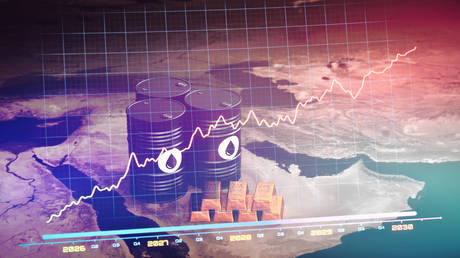
The conflict in the Middle East could drive up living costs and slow economic growth in Africa, a joint report has warned.
According to the report, published on Saturday by the African Union (AU), the United Nations Economic Commission for Africa (ECA) and the World Bank (WB), continued disruptions to shipping routes, as well as energy and fertilizer supplies, could intensify existing trade shocks.
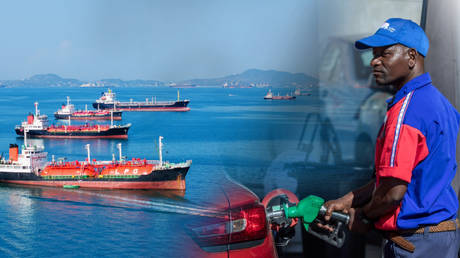
“More broadly, the conflict, which already has triggered a trade shock, could quickly turn into a cost-of-living crisis across Africa through higher fuel and food prices, rising shipping and insurance costs, exchange rate pressures, and tighter fiscal conditions,” the document states.
As of early April, the Strait of Hormuz remains largely blocked following the start of US and Israeli airstrikes on Iran at the end of February.
The report warns that disruptions to liquefied natural gas (LNG) supplies could be more damaging than fuel price increases alone, as reduced imports would hit ammonia and urea production, driving up fertilizer costs and constraining supply during the key March-May planting season.
If the conflict drags on for more than six months, GDP growth could be reduced by 0.2% by the end of 2026, considering that the Middle East accounts for 15.8% of Africa’s imports and 10.9% of its exports, according to the document.
However, several countries could still see limited gains. Nigeria is expected to benefit from higher oil prices and exports from the Dangote Refinery, while Mozambique may gain from renewed LNG activity and increased port traffic.
The authors of the report note that rerouting shipping around the Cape of Good Hope may boost operations in South Africa, Namibia and Mauritius. In East Africa, Kenya could strengthen its role as a logistics hub, while Ethiopia could leverage its position as an “emergency air bridge” through Ethiopian Airlines.
Meanwhile, South Africa’s government has temporarily cut fuel levies to cushion the impact of rising global energy prices. From April 1 to May 5, the levy will drop by R3 ($0.16) per liter, lowering gasoline and diesel costs.
ملاحظة تحريرية | Editorial Note:
نُشر هذا المقال في الأصل بواسطة RT English.
خبر (Khabr) هي منصة إعلامية أردنية مرخّصة تعمل بالذكاء الاصطناعي.
نضيف قيمة تحريرية من خلال: تحليل ذكي للأخبار، ملخصات تلقائية، رواية صوتية بالذكاء الاصطناعي، ترجمة متعددة اللغات، وتدقيق الحقائق.
هدفنا جعل الأخبار أكثر وضوحاً وسهولةً للقارئ العربي.
This article was originally published by RT English.
Khabr is a licensed Jordanian AI-powered news platform (Registration #82086).
We add editorial value through: AI-powered news analysis, automated summaries, AI audio narration, multi-language translation (Arabic, English, French, Turkish), and AI fact-checking.
Our mission is to make news more accessible and understandable for Arabic-speaking audiences worldwide.
هذا الخبر ضمن تغطية خبر لقسم اقتصاد.
نقدّم لك تحليلات ذكية وملخصات يومية لأهم الأخبار من مصادر موثوقة متعددة.
المصدر: RT English.
يوجد 6 مقالات مرتبطة بهذا الموضوع.
This article is part of Khabr's coverage of Economy.
We provide AI-powered analysis, summaries, and multi-source aggregation to keep you informed.
Source: RT English.
Tags: Middle East, war, price rise.
خبر هو أول مجمّع أخبار عربي يعمل بالذكاء الاصطناعي. نقدم تحليلات ذكية وملخصات تلقائية ورواية صوتية لكل خبر من أكثر من 700 مصدر موثوق. نضيف قيمة تحريرية فريدة من خلال أدوات الذكاء الاصطناعي التي تساعدك على فهم الأخبار بعمق أكبر.
Khabr is the first AI-powered Arabic news aggregator. We provide AI-generated editorial analysis, automated summaries, audio narration, and fact-checking for every article from 700+ trusted sources. Our platform adds unique editorial value through AI tools that help you understand the news more deeply.
يا هلا! اسألني أي شي 🎤
🍪 نستخدم ملفات تعريف الارتباط لتحسين تجربتك وعرض الإعلانات المخصصة. باستخدامك للموقع، فإنك توافق على سياسة ملفات تعريف الارتباط وسياسة الخصوصية.
We use cookies to enhance your experience and show personalized ads. By using this site, you agree to our Cookie Policy and Privacy Policy.
🔍
FREEFree 1GB Internet + Free International Calls
$1 trial — eSIM in 190+ countries — No roaming charges