Melting ice caps unleash dangerous amounts of chemical trapped for centuries
•Scientists at Peking University in Beijing have discovered Antarctica's retreating ice sheets are unleashing centuries-old mercury deposits into the surrounding waters, posing a severe threat to the r...
•The research, published in PNAS Environmental Sciences, analysed sediment samples from 16 sites around the Antarctic Peninsula.Findings show mercury is now building up on the continental shelf at 93 m...
•This accumulation has surged by 160 per cent since industrialisation began.
هذا الخبر من GB News. خبر يقدم أدوات ذكاء اصطناعي للتلخيص والترجمة والاستماع.
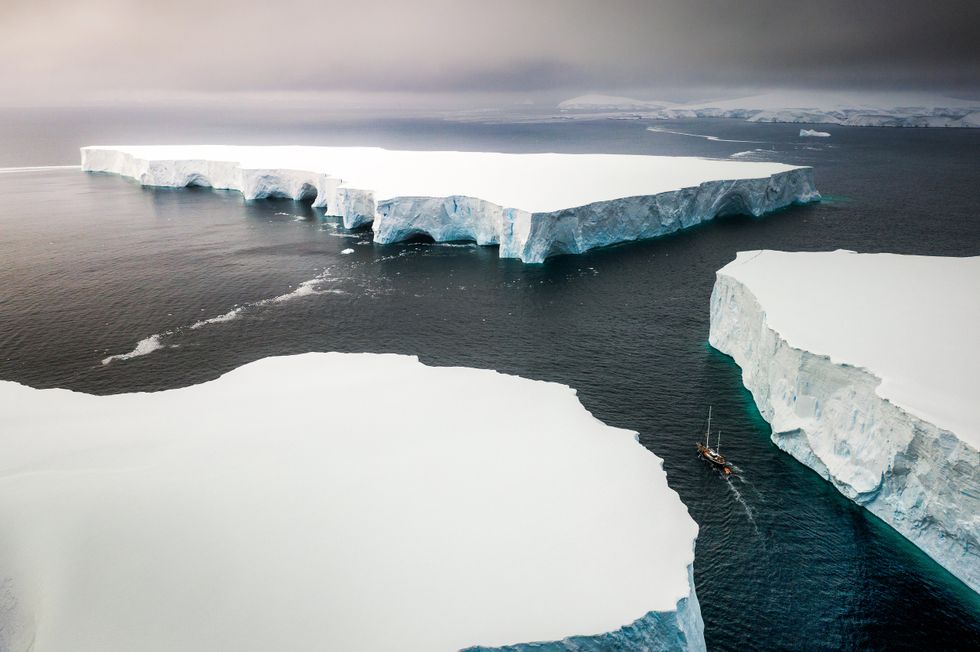
المصدر: GB News | Source: GB NewsScientists at Peking University in Beijing have discovered Antarctica's retreating ice sheets are unleashing centuries-old mercury deposits into the surrounding waters, posing a severe threat to the region's ecosystem.
The research, published in PNAS Environmental Sciences, analysed sediment samples from 16 sites around the Antarctic Peninsula.
Findings show mercury is now building up on the continental shelf at 93 micrograms per square metre annually — double the rate of other continental shelves worldwide.
This accumulation has surged by 160 per cent since industrialisation began.
TRENDINGStoriesVideosYour SayThe study reveals mercury levels in glacial runoff have jumped by 550 per cent during the same period.
Research from the previous year found 62 per cent of Antarctica's seabird species now carry mercury concentrations exceeding safe thresholds, with a quarter facing moderate to high toxicity risks.
Natural processes have long released mercury into the environment through volcanic eruptions and geological activity, with the metal dispersing as vapour before being absorbed by microscopic marine organisms called phytoplankton.
These tiny plants either become food for fish — allowing mercury to concentrate as it moves up the food chain — or sink to the seabed when they die, transporting their mercury load to ocean sediments.
Under normal conditions, this natural cycling maintains mercury at levels that pose minimal danger to marine life.
However, industrial activities including coal combustion and metal processing have dramatically increased atmospheric mercury emissions.
This industrial input has driven mercury concentrations upward across the globe, causing the metal to accumulate in food webs at levels that now represent a significant health hazard to both wildlife and humans.
The atmospheric increase alone cannot account for the extreme accumulation rates observed around the Antarctic Peninsula, the researchers found.
LATEST DEVELOPMENTS
- Archaeology breakthrough reveals ancient humans' gender divide as million-year-old footprints found
- British zoo saves entire species from extinction in extraordinary 'rescue mission'
- Ancient Bible prophecy unfolding in Dead Sea as 'living waters' seen flowing in the Holy Land
The research team identified two distinct processes responsible for the dramatic mercury increase in Antarctic waters.
Warming temperatures cause ice shelves to recede, exposing larger areas of ocean surface to sunlight and air, which enables phytoplankton populations to expand and draw more mercury from the atmosphere.
Simultaneously, the thawing releases mercury that ice sheets have captured and stored over millennia.
The researchers noted warming has accelerated terrestrial mercury input through glacial melting, erosion and weathering processes.
Antarctic ice has functioned as a repository for atmospheric mercury across thousands of years, keeping these hazardous materials locked away from the marine environment.
The current melt is now discharging enormous volumes of this long-sequestered mercury directly into coastal waters.
The 550 per cent increase in mercury from meltwater represents a particularly sharp acceleration, whilst atmospheric absorption has climbed by 350 per cent since the industrial era commenced.
The Antarctic Peninsula, whilst occupying less than five per cent of the continent's total landmass, accounts for 60 per cent of all ice shelf mass lost over the past three decades.
Nearly 90 per cent of glaciers in this region are now retreating at speeds that far exceed natural variation limits.
The researchers emphasised these effects have been particularly severe in this area due to the accelerated pace of ice melt.
The peninsula's rapid warming has intensified both mechanisms driving mercury release into coastal waters.
The scientists cautioned the consequences for polar ecology could be profound.
Mercury is already accumulating in the Antarctic food web, with existing studies demonstrating the metal has reached levels that threaten wildlife populations across the region's pristine environment.
Our Standards: The GB News Editorial Charter

ملاحظة تحريرية | Editorial Note: نُشر هذا المقال في الأصل بواسطة GB News. خبر (Khabr) هي منصة إعلامية أردنية مرخّصة تعمل بالذكاء الاصطناعي. نضيف قيمة تحريرية من خلال: تحليل ذكي للأخبار، ملخصات تلقائية، رواية صوتية بالذكاء الاصطناعي، ترجمة متعددة اللغات، وتدقيق الحقائق. هدفنا جعل الأخبار أكثر وضوحاً وسهولةً للقارئ العربي.
This article was originally published by GB News. Khabr is a licensed Jordanian AI-powered news platform (Registration #82086). We add editorial value through: AI-powered news analysis, automated summaries, AI audio narration, multi-language translation (Arabic, English, French, Turkish), and AI fact-checking. Our mission is to make news more accessible and understandable for Arabic-speaking audiences worldwide.