⚡ عاجل: كريستيانو رونالدو يُتوّج كأفضل لاعب كرة قدم في العالم●⚡ أخبار عاجلة تتابعونها لحظة بلحظة على خبر●⚡ تابعوا آخر المستجدات والأحداث من حول العالم●
AI اقتراحات ذكية
AI مباشر|--مشاهد مباشر
844,926مقال403مصدر نشط224قناة مباشرة4,873خبر اليوم
آخر تحديث:منذ 3 ثواني
Manila bets on chips, AI and critical minerals in 'hub' strategy — what it promises
Manila: The global race for microchips and AI hardware is reshaping Southeast Asia.
Manila’s move to join "Pax Silica" and help build a 16.2-km2 "free zone" in the Luzon Economic Corridor (LEC) forms part of a catch-up industrial strategy.
The plan: Align the country towards advanced supply chains for semiconductors, AI infrastructure and mineral processing.
While critics alternately frame it as a potential "land grab", "sellout", or outright "surrender" of sovereignty to foreign (US) interests, supporters say it's the need of the hour.
It's the logical next for the Philippines in order to turn its semiconductor base into a bigger, higher-value role in the global supply chain.
Industry experts, however, say it has not captured the wave of investment flowing into advanced packaging, testing and AI-linked manufacturing that's moving to neighbours like Vietnam and Malaysia.
Why this matters
The chip war is no longer just about Taiwan.
It's about where companies place the factories, testing sites and design centres that power the AI era.
As firms diversify away from concentrated risk, Vietnam and Malaysia have been pulling in new semiconductor-linked investments.
Unless it improves power reliability, permits and policy, the Philippines risks staying stuck in lower-margin, low-value work.
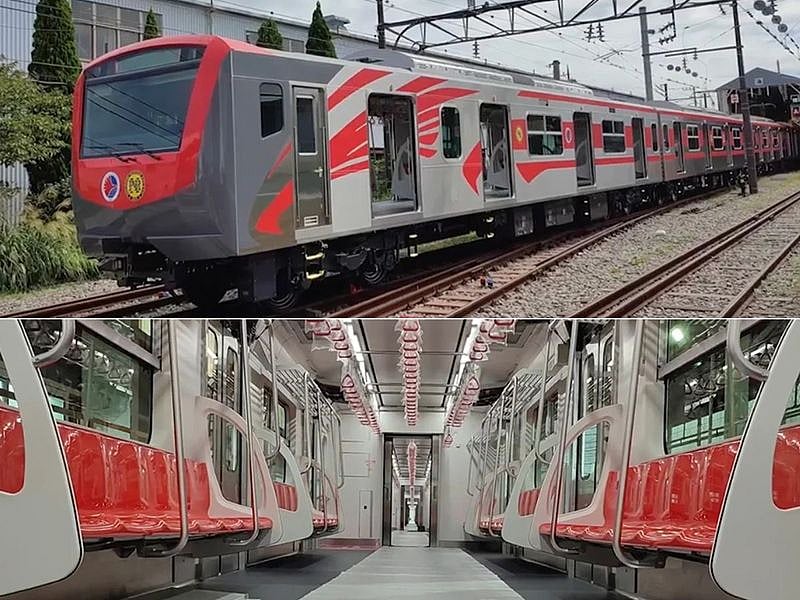
Construction of the North-South Commuter Railway (NSC) is underway and is expected to serve the Luzon Economic Corridor (LEC). The three-stage rail project will run a 147-km route, through 37 stations with up to 464 train cars. The P229-billion NSCR Operations and Maintenance (O&M) is being implemented under a Public-Private Partnership (PPP) scheme.
Where the Philippines stands
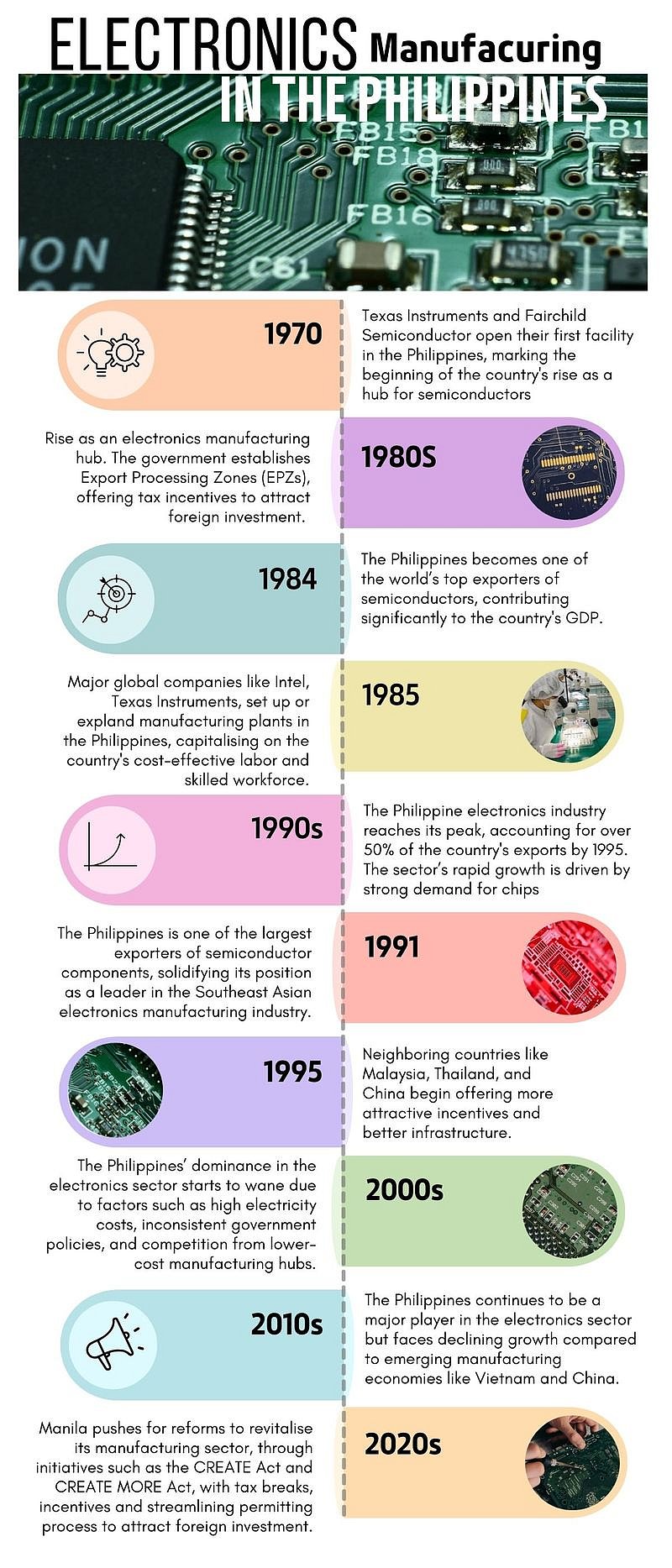
The Philippines is not absent from the semiconductor world.
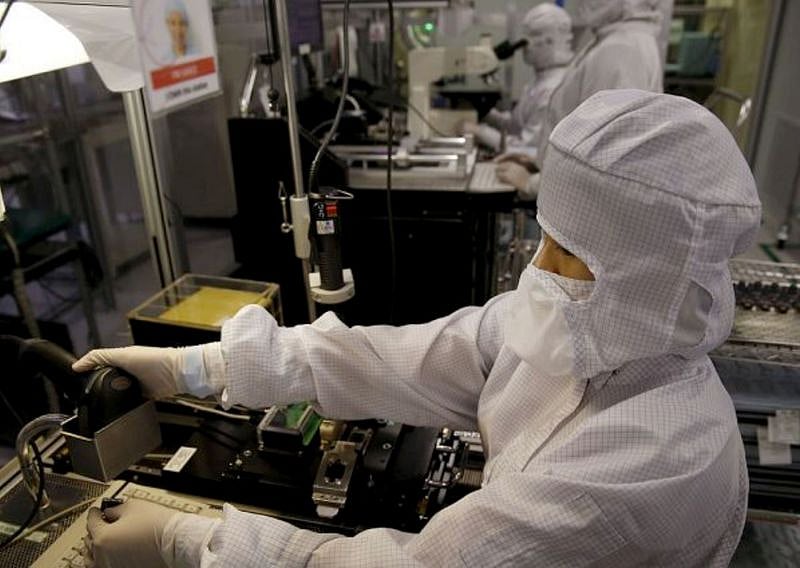
It is already a major chip-exporting economy. It remains important in assembly, testing and packaging, which are critical stages in the global electronics chain.
But that strength has not yet translated into a stronger position.
The Philippines lacks the capacity for advanced chip manufacturing or AI infrastructure.
One industry leader said the country “missed the train” on some AI chip opportunities because of policy missteps and investor deterrents.
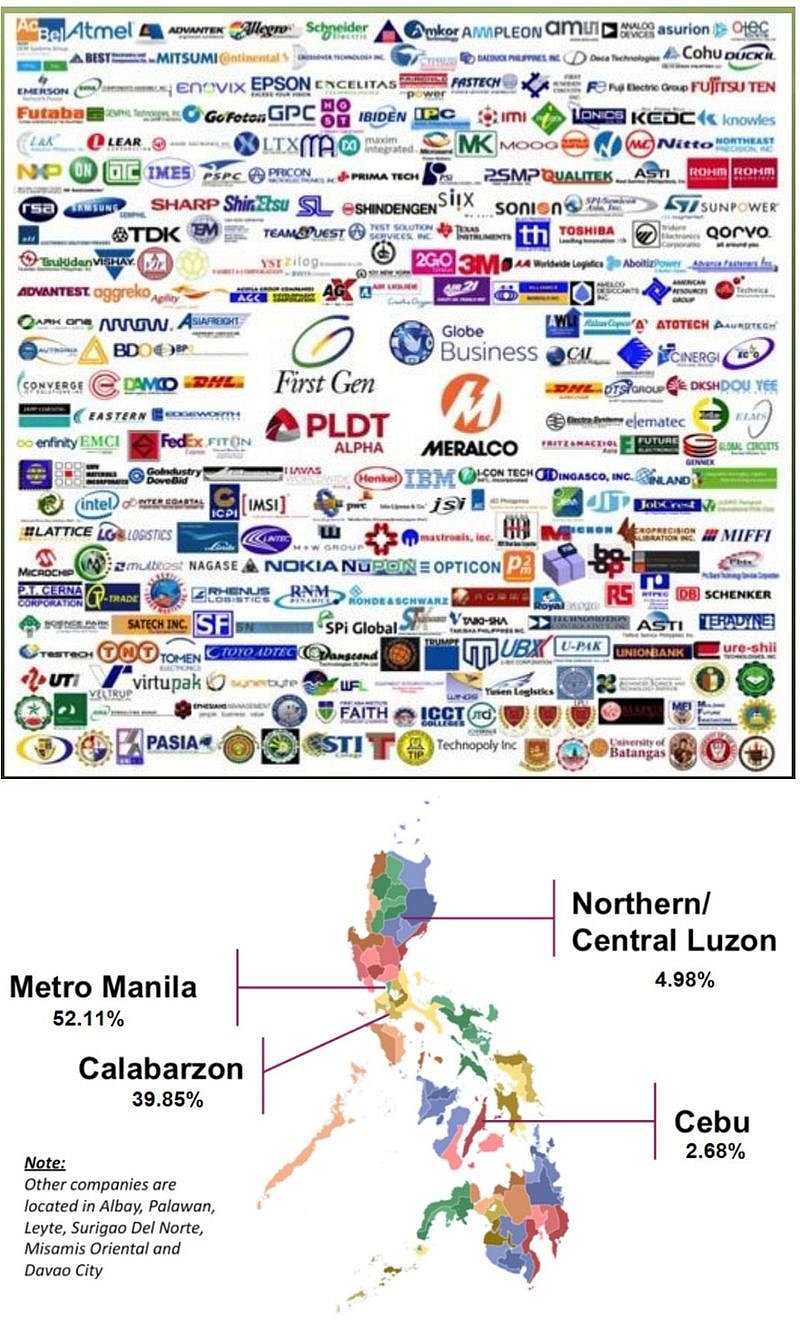
There are about 300 member-companies under the trade group Semiconductor and Electronics Industries in the Philippines Inc (SEIPI). Map, below, show the geographic distribution of electronics manufacturing cluster, as per the Philippine Export Processing Zone Authority (PEZA).
What's holding the Philippines back
The biggest constraints are familiar: expensive and unstable electricity (inefficient rural power coops), regulatory friction, and uneven local implementation of rules.
Solving those problems matter.
Underinvestment in power infrastructure grinds jobs creation.
Semiconductor plants and AI facilities need uninterrupted power, predictable incentives and fast approvals. Investors tend to choose countries that can offer all three at scale.
A recent OECD report finds that the Philippines’ semiconductor "ecosystem" has plenty of room to grow.
But it needs major upgrades, i.e. higher-value functions such as chip design, advanced packaging and research collaboration.
That means the country must move beyond being only a manufacturing location.
That means starting to build deeper capabilities and collaborations between labs, companies and industries that keep more value at home.
This needs deliberate policy.
The LEC "hub" could provide the spark to make this happen. If anything, the country needs more of it, not less.
The AI gap
The AI side of the story is just as important. A separate assessment of the country’s AI readiness pointed to the following challenges or barriers:
Weak infrastructure
High power rates
Limited venture capital
Fragmented governance
Addressing these factors are seen as key "enablers" for local firms and startups to scale into the chip-driven AI economy.
Addressing these would unlock a "virtuous cycle": Strong AI adoption ramping up demand for advanced local computing capacity, and higher computing capacity that would enable the country to build stronger AI capabilities.
In a region where neighbours are courting data centres, design work and semiconductor upgrades, bridging these gaps could help the nation makes a major breakthrough, allowing it to hit the upper middle income country (UMIC) status sooner than later.
In 2023, the Philippines exported $41.91 billion worth of electronic products, accounting for 56.9 per cent of the country's total exports.
Why it matters
Luzon is not a small place. Though it looks tiny on the world map, maps do lie.
The Luzon mainland itself (where the capital Manila is located), is more than twice the land area of The Netherlands.
There's plenty of land in the Philippines, most of it arable, but idle.
The LEC strategic industries "hub" could be just the spark of something bigger.
This matters because the Philippines has long struggled to move beyond low-productivity agriculture and low-value manufacturing and into the most profitable layers of the tech economy.
If the country can attract investments, deliver reliable electricity, logistics and regulatory certainty, it could finally plug into the high-tech migration reshaping Southeast Asia.
This requires hard work, not rhetoric.
The criticism
The “landgrab” and “neo-colonialism” attacks are politically familiar.
Critics love to argue that foreign-backed zones risk giving outsiders "too much control".
But this misses the central question: must the Philippines capture high-value investment or not? If the answer is yes, then a whole-of-nation strategy must be embraced. If no, is the alternative more of the same, or any better?
The real danger is remaining locked out of the semiconductor and AI race altogether.
There's broader strategic dimension: Pax Silica is being framed by Washington and partner governments as a way to secure supply chains away from China’s dominance in critical minerals and advanced manufacturing.
So the Philippines is not just joining an industrial project but a geopolitical alignment.
The hard truth
The more practical obstacle is not ideology (i.e. Left vs Right) but execution.
What investors really care about:
Stable, competitive electricity rates
Clear permits (scrapping the "fixers")
Port access
Infrastructure
Policy consistency.
Those are exactly the areas where the Philippines has often lacked vs regional rivals.
If it gets bogged down in rhetoric, "fixer" culture, suspicion and red tape, then the chips-AI-critical minerals "free zone" could become just another big announcement.
If the country turns the LEC into a serious industrial corridor, it could attract better jobs, deeper technology transfer, boost exports and raise the country's status in the AI era.
ملاحظة تحريرية | Editorial Note:
نُشر هذا المقال في الأصل بواسطة Gulf News.
خبر (Khabr) هي منصة إعلامية أردنية مرخّصة تعمل بالذكاء الاصطناعي.
نضيف قيمة تحريرية من خلال: تحليل ذكي للأخبار، ملخصات تلقائية، رواية صوتية بالذكاء الاصطناعي، ترجمة متعددة اللغات، وتدقيق الحقائق.
هدفنا جعل الأخبار أكثر وضوحاً وسهولةً للقارئ العربي.
This article was originally published by Gulf News.
Khabr is a licensed Jordanian AI-powered news platform (Registration #82086).
We add editorial value through: AI-powered news analysis, automated summaries, AI audio narration, multi-language translation (Arabic, English, French, Turkish), and AI fact-checking.
Our mission is to make news more accessible and understandable for Arabic-speaking audiences worldwide.
هذا الخبر ضمن تغطية خبر لقسم اقتصاد.
نقدّم لك تحليلات ذكية وملخصات يومية لأهم الأخبار من مصادر موثوقة متعددة.
المصدر: Gulf News.
يوجد 6 مقالات مرتبطة بهذا الموضوع.
This article is part of Khabr's coverage of Economy.
We provide AI-powered analysis, summaries, and multi-source aggregation to keep you informed.
Source: Gulf News.
Tags: chips, AI, critical minerals.
🍪 نستخدم ملفات تعريف الارتباط لتحسين تجربتك وعرض الإعلانات المخصصة. باستخدامك للموقع، فإنك توافق على سياسة ملفات تعريف الارتباط وسياسة الخصوصية.
We use cookies to enhance your experience and show personalized ads. By using this site, you agree to our Cookie Policy and Privacy Policy.
FREEFree 1GB Internet + Free International Calls
$1 trial — eSIM in 190+ countries — No roaming charges