Man wakes after 40 hours with no heartbeat in medical miracle
•For more than 40 hours, a man in eastern China lived without an independent heartbeat — his body sustained by machines, his survival resting on one of modern medicine’s most advanced forms of life sup...
•Multiple rounds of defibrillation failed to restore a normal rhythm, leaving doctors confronting a near-impossible rescue.Get updated faster and for FREE: Download the Gulf News app now - simply click...
•At the heart of that rescue was extracorporeal membrane oxygenation, better known as ECMO — a sophisticated life-support system that temporarily takes over the work of the heart and lungs by circulati...
هذا الخبر من Gulf News. خبر يقدم أدوات ذكاء اصطناعي للتلخيص والترجمة والاستماع.
المصدر: Gulf News | Source: Gulf NewsFor more than 40 hours, a man in eastern China lived without an independent heartbeat — his body sustained by machines, his survival resting on one of modern medicine’s most advanced forms of life support.
Then, against staggering odds, his heart began beating again.
The extraordinary case, first reported by the South China Morning Post, centres on a man in his 40s who suffered sudden cardiac and respiratory arrest after being admitted to hospital with chest tightness and breathing difficulties. Multiple rounds of defibrillation failed to restore a normal rhythm, leaving doctors confronting a near-impossible rescue.
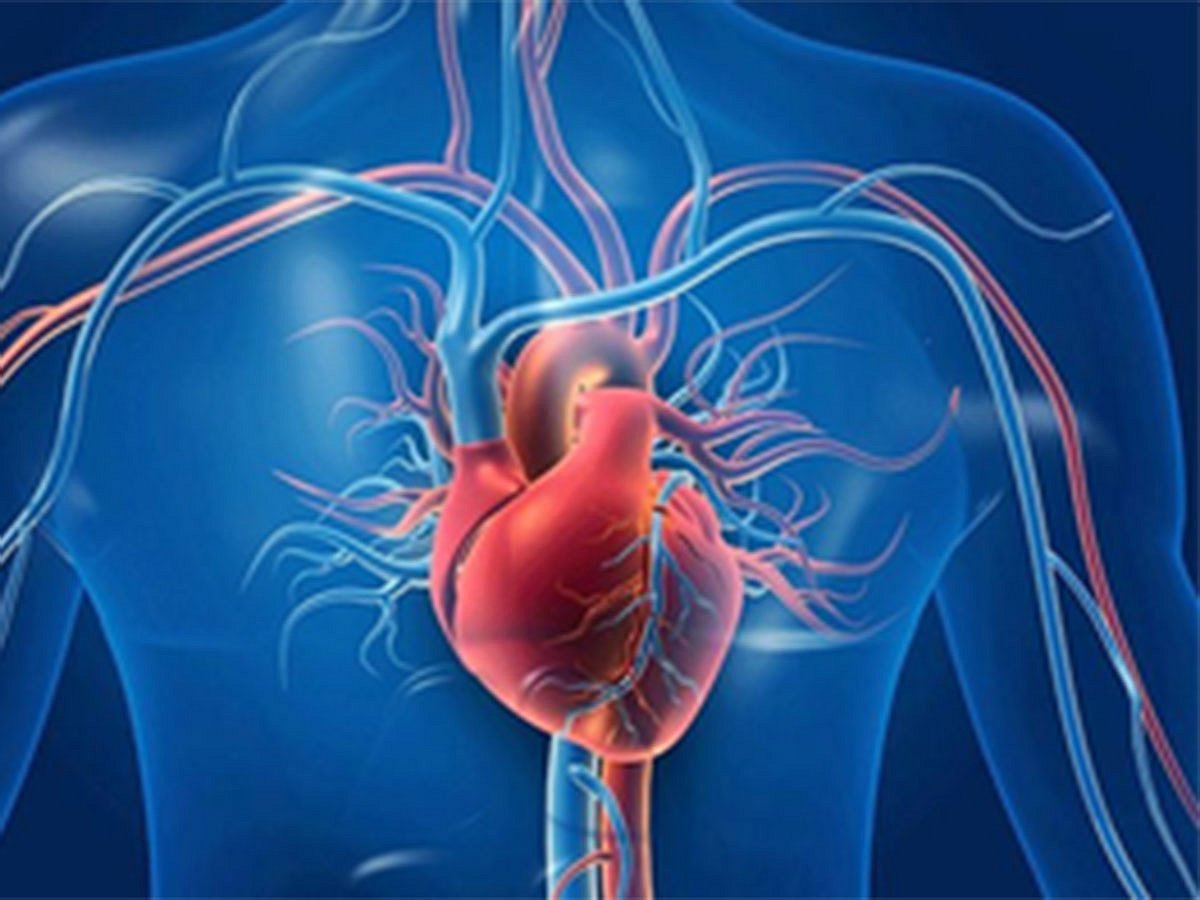
Get updated faster and for FREE: Download the Gulf News app now - simply click here.At the heart of that rescue was extracorporeal membrane oxygenation, better known as ECMO — a sophisticated life-support system that temporarily takes over the work of the heart and lungs by circulating oxygenated blood through the body. In critical care medicine, ECMO is often deployed as a last resort when conventional treatment fails. In this case, it became the thin line between life and death.
Doctors at the Second Affiliated Hospital of Zhejiang University School of Medicine reportedly used ECMO support alongside an intra-aortic balloon pump, a device designed to improve blood flow and reduce strain on the heart. For nearly two days, the patient had virtually no effective heartbeat of his own while a team of emergency physicians and cardiologists worked around the clock to stabilise him.
Then came the turn.
After more than 40 hours, cardiac function gradually returned. His heartbeat normalised. Days later, ECMO support was removed. Roughly three weeks after being rushed into emergency care, he walked out of hospital unaided — fully conscious and with no major neurological damage, according to reports.
The patient was reportedly diagnosed with fulminant myocarditis, a rare and severe inflammation of the heart muscle that can rapidly trigger heart failure, dangerous arrhythmias and sudden cardiac arrest. Medical literature, including reporting by major health publications such as Mayo Clinic and Cleveland Clinic, notes that swift intervention is critical because the condition can deteriorate within hours.
What makes this case remarkable is not simply survival, but recovery after such prolonged mechanical support with minimal lasting complications — an outcome specialists describe as exceptionally rare in emergency medicine.
In a hospital ward in Hangzhou, what began as a catastrophic cardiac collapse has become a striking example of how rapidly advancing life-support technology is reshaping the boundaries of survival.
ملاحظة تحريرية | Editorial Note: نُشر هذا المقال في الأصل بواسطة Gulf News. خبر (Khabr) هي منصة إعلامية أردنية مرخّصة تعمل بالذكاء الاصطناعي. نضيف قيمة تحريرية من خلال: تحليل ذكي للأخبار، ملخصات تلقائية، رواية صوتية بالذكاء الاصطناعي، ترجمة متعددة اللغات، وتدقيق الحقائق. هدفنا جعل الأخبار أكثر وضوحاً وسهولةً للقارئ العربي.
This article was originally published by Gulf News. Khabr is a licensed Jordanian AI-powered news platform (Registration #82086). We add editorial value through: AI-powered news analysis, automated summaries, AI audio narration, multi-language translation (Arabic, English, French, Turkish), and AI fact-checking. Our mission is to make news more accessible and understandable for Arabic-speaking audiences worldwide.