A heated dispute has erupted in Italy over europe's sole remaining beach that separates bathers by gender.
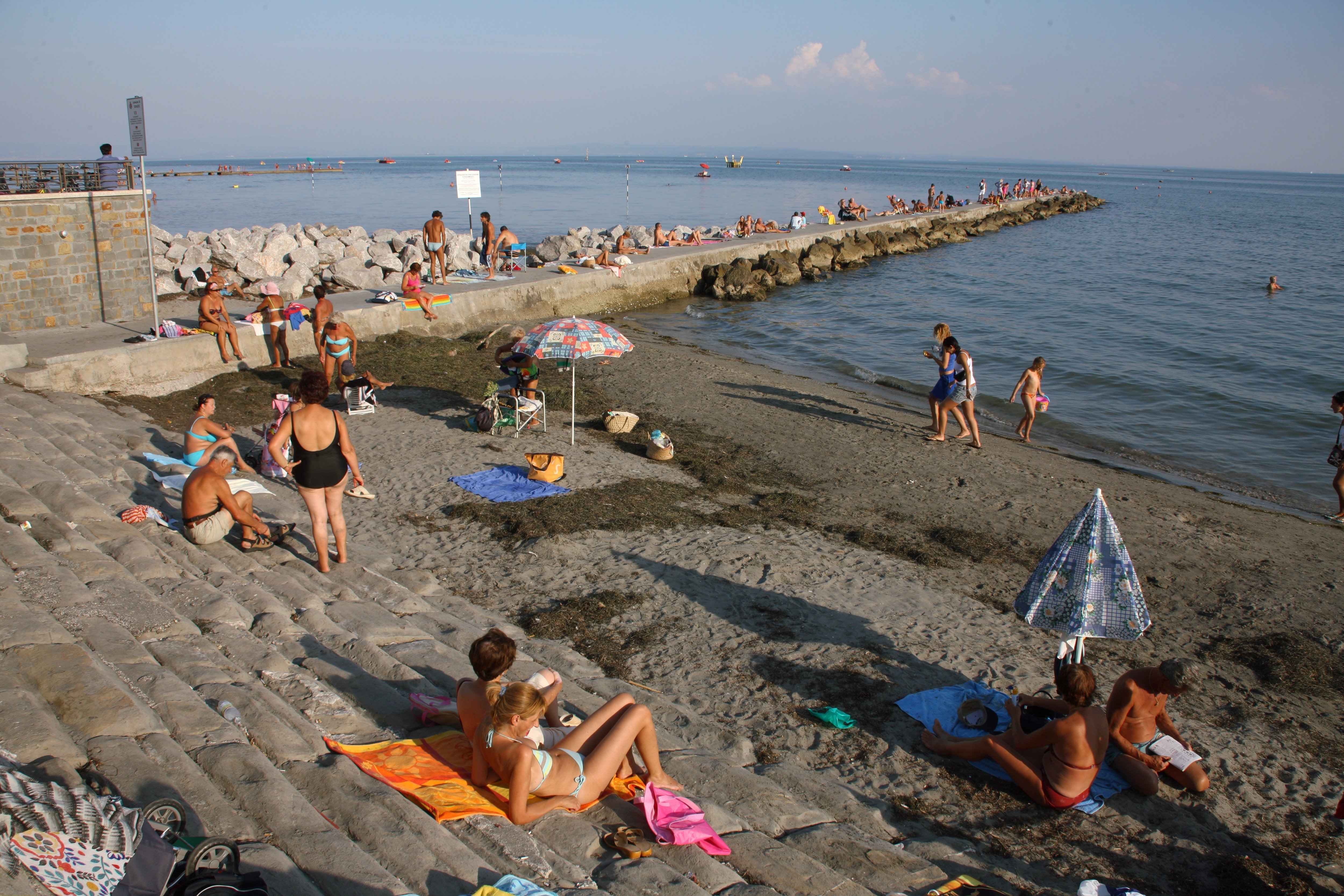
The seaside spot in Trieste, dating back to 1903, features a physical barrier separating male and female sections.
Visitors from Milan sparked the confrontation after entering the men's area, where the woman in the couple was asked to relocate to the adjacent women's zone.
The beach represents what is believed to be Europe's last example of a once-common practice intended to protect female modesty at bathing sites.
Local residents view the arrangement as a charming historical curiosity, but the tourists took a starkly different view.
The woman reacted furiously to being asked to leave, berating the city for maintaining such a practice.
She reportedly said: "You're living in the Middle Ages. You're a bunch of sexist oafs ... This is a form of discrimination. Shame on you."
The confrontation escalated to the point that it nearly turned physical, though the couple was eventually persuaded to leave.

The beach, officially called Alla Lanterna, is known locally as Pedocin, a dialect term for "nit" or "louse."
This unusual moniker is thought to reference either the packed summer crowds resembling nits, or Austro-Hungarian soldiers who once bathed there to rid themselves of lice.
Trieste residents rallied to defend the beach's gender division, arguing that women value the ability to sunbathe topless without male attention.
One local wrote on X: "The visitors were very provocative. Nobody made them go to that beach."
LATEST DEVELOPMENTS
- British tourists issued warning over deadly threat in Mediterranean hotspots as pensioner attacked
- Thousands under alcohol ban as 45C European heatwave forces 'red weather warning'
- Skydiver, 21, died after hit by 'plane wing’ as full inquiry reveals miscommunication behind tragedy

Another resident added: "Pedocin is part of Trieste's traditions. Now it's a victim of cancel culture."
A woman named Federica said: "It's not from the Middle Ages! It's part of Trieste's history.
"No Triestino wants to remove that wall!"
The dividing wall stretches out into the shallow waters, beyond which point men and women are free to mingle and converse.

Trieste's city council operates the facility and charges visitors €1.20 (£1.04) for entry.
The unique beach gained international attention when a documentary about it, L'Ultima Spiaggia (The Last Beach), screened at the 2016 Cannes Film Festival.
Trieste itself stands apart from typical Italian cities, often dubbed "little Vienna by the sea" owing to its centuries as part of the Austro-Hungarian empire.
The Adriatic port joined Italy following the First World War and retains its distinctive central European character through its coffee houses and Habsburg-era buildings.
Our Standards: The GB News Editorial Charter