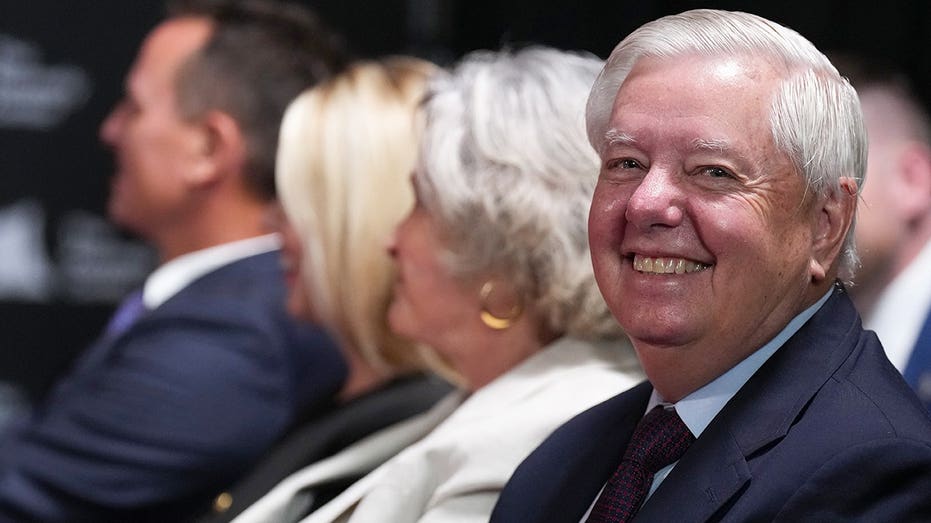
LISA DAFTARI: Lindsey Graham understood America's role in the world — and why it matters
•Senator Lindsey Graham, a key figure in U.S. foreign policy, passed away at 71 after advocating for Ukraine and understanding the complexities of the Middle East.
•He was known for translating intelligence into accessible language for the American public, bridging the gap in foreign policy communication.
•Graham's steadfast support for Israel was rooted in a belief that strong alliances are crucial for U.S. national security and global stability.
المصدر: Fox News | Source: Fox NewsSen. Lindsey Graham is gone, and with him goes a voice that Washington cannot easily replace.
He was 71 and had just come home from Ukraine, one of many trips he made in the years since Russia's invasion.
I've covered foreign policy long enough to know how rare he was. In an era in which most politicians speak in slogans, Graham actually understood the intricate nuances.
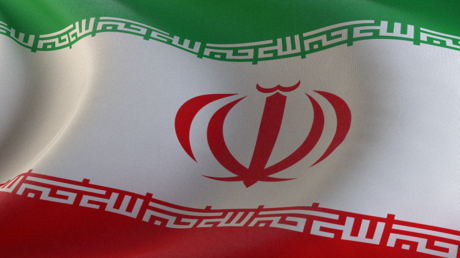
He knew the Middle East. He understood Iran's regime and why they’d never relinquish their weapons or reform their rogue rhetoric. He advocated for support of Ukraine in its war with Russia. He could explain why the Abraham Accords were a strategic revolution that needed to be expanded and pushed forward.
He read intelligence reports, attended the briefings, and then went on Sunday morning television and translated it for the American people in plain language.
He was one of the few lawmakers who could do that. That translation job matters more than most people realize. American foreign policy generally suffers in the gap between what our intelligence community knows and what the average voter hears. Lindsey bridged that gap.
18 HOUSE REPUBLICANS DEFY TRUMP TO PASS UKRAINE AID PACKAGE HEADED FOR VETO FIGHT
He was also one of a very small number of people who had President Donald Trump's ear on national security, and he used it.
Presidents get multiple, varying opinions a day. They listen to only a handful of voices. Graham was one of them, and he used that access on Ukraine, Israel and the Iranian people rather than for personal gain.
When Iranian dissidents inside and outside the regime adoringly called him "Uncle Lindsey," they showed appreciation for his advocacy. He named their political prisoners on the Senate floor.
He met with their families, and with exiled Crown Prince Reza Pahlavi, listening to and supporting the Iranian people while pushing for policy that prioritizes American security. In a town full of people who talk about human rights, he did something about them.
IRANIAN DISSIDENTS SEIZE ON TRUMP REMARKS ABOUT ARMED RESISTANCE, FUELING REVIVAL OF REAGAN DOCTRINE
And then there was Israel. Graham's support for the Jewish state was steadfast and rooted in an American brand of foreign policy as a matter of strategic science. He understood that Israel is America's forward operating base for Western civilization in the most contested neighborhood on earth.
A strong Israel deters Iran, stabilizes the Persian Gulf, protects shipping lanes, and signals to every adversary from Beijing to Caracas that the U.S. does not abandon its friends.
That was his through-line. In an age of narrative warfare, when a TikTok video or a campus chant can flip a generation's understanding of a 3,000-year-old conflict in 90 seconds, Graham refused to negotiate with the mob.
He believed moral clarity was itself a national security asset. Standing by allies and putting enemies on notice was America's DNA. It was the country Ronald Reagan described, John McCain fought for, and Lindsey Graham spent three decades in Congress defending.
He worked with Democrats when it mattered and fought them ferociously when it mattered more. He shepherded judges. He rebuilt the defense budget. He stood next to McCain in the desert and next to Trump in the Oval Office, and made both relationships work.
We are about to find out what American foreign policy looks like without him. I suspect we will miss him more than we know.
The ayatollahs won't. The Kremlin won't. Hamas won't.
That, in the end, is the truest measure of the man.
→Senator Lindsey Graham, a key figure in U.S. foreign policy, passed away at 71 after advocating for Ukraine and understanding the complexities of the Middle East.
→He was known for translating intelligence into accessible language for the American public, bridging the gap in foreign policy communication.
ملاحظة تحريرية | Editorial Note: نُشر هذا المقال في الأصل بواسطة Fox News. خبر (Khabr) هي منصة إعلامية أردنية مرخّصة تعمل بالذكاء الاصطناعي. نضيف قيمة تحريرية من خلال: تحليل ذكي للأخبار، ملخصات تلقائية، رواية صوتية بالذكاء الاصطناعي، ترجمة متعددة اللغات، وتدقيق الحقائق. هدفنا جعل الأخبار أكثر وضوحاً وسهولةً للقارئ العربي.
This article was originally published by Fox News. Khabr is a licensed Jordanian AI-powered news platform (Registration #82086). We add editorial value through: AI-powered news analysis, automated summaries, AI audio narration, multi-language translation (Arabic, English, French, Turkish), and AI fact-checking. Our mission is to make news more accessible and understandable for Arabic-speaking audiences worldwide.