Labour urged to keep 2030 car ban as EV drivers face 'two-tier transition' and rising costs
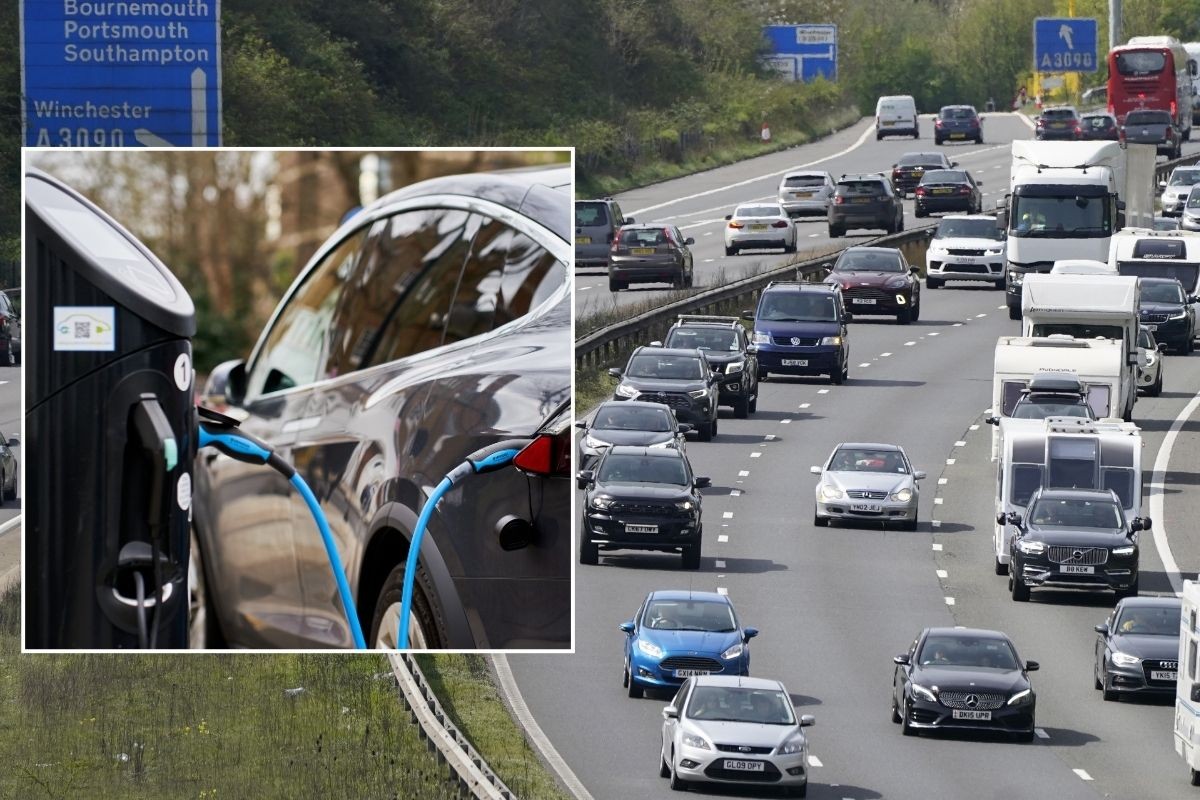
•Labour has been urged not to amend the UK's Zero Emission Vehicle Mandate after warnings any weakening of the policy could damage driver confidence and slow the shift to electric cars.
•The warning comes from the UK's main independent consumer organisation for electric vehicle drivers, EVA England, which has written directly to Transport Secretary Heidi Alexander calling for an urgen...
•The organisation said ongoing uncertainty risks undermining confidence at a critical stage in the UK's electric vehicle rollout.
هذا الخبر من GB News. خبر يقدم أدوات ذكاء اصطناعي للتلخيص والترجمة والاستماع.
المصدر: GB News | Source: GB NewsLabour has been urged not to amend the UK's Zero Emission Vehicle Mandate after warnings any weakening of the policy could damage driver confidence and slow the shift to electric cars.
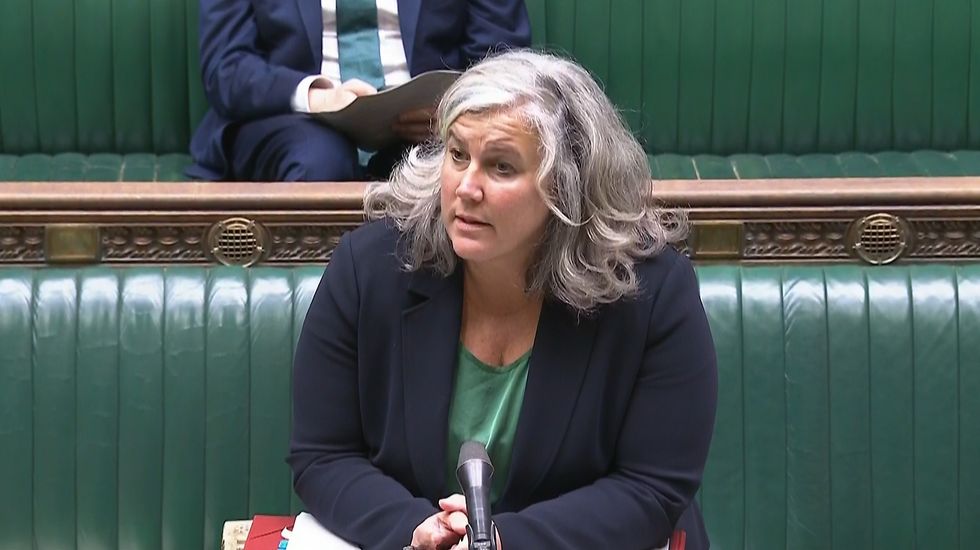
The warning comes from the UK's main independent consumer organisation for electric vehicle drivers, EVA England, which has written directly to Transport Secretary Heidi Alexander calling for an urgent meeting.
In an open letter sent this week, the group's Chief Executive, Vicky Edmonds, raised concerns following recent speculation ministers could scale back or amend the ZEV Mandate.
The organisation said ongoing uncertainty risks undermining confidence at a critical stage in the UK's electric vehicle rollout.
TRENDINGStoriesVideosYour SayAlongside the letter, EVA England submitted a new report titled Putting the Driver First, which sets out real-world barriers facing motorists trying to switch to electric vehicles.
The group argued consumer concerns are not being properly reflected in policy discussions, despite being central to whether the transition succeeds.
A key issue highlighted was cost. EVA England warned the upfront price of electric vehicles remains the biggest obstacle for households, particularly those on lower and middle incomes who may otherwise be open to switching.
Charging access is also flagged as a major problem. The organisation estimates around 40 per cent of UK households do not have access to a driveway, meaning they cannot easily charge at home.
Instead, these drivers rely on the public charging network, which EVA England said is often more expensive and, in some areas, unreliable or difficult to access.
The report warned this was creating what it calls a "two-tier transition" between drivers who can charge at home and those who cannot. It also highlighted cost differences already emerging. According to EVA England, half of electric vehicle drivers without off-street parking are currently paying more to run their EV than they did with petrol or diesel cars.
Despite these concerns, the organisation stresses public attitudes towards electric vehicles remain broadly positive.
The letter states: "British motorists are not opposed to electric cars, with many already weighing them up as they would any significant household purchase."
LATEST DEVELOPMENTS
- Drivers risk new parking bans as bin lorries struggle to reach streets
- Drivers face £5,000 fine for breaking major Highway Code motorway rule as 'careless' driving impacts safety
- DVSA confirm new changes for driving test waiting times - 'The public deserve to know'
It also points to strong satisfaction among current EV owners. EVA England's research found "95 per cent of electric vehicle owners would not return to petrol or diesel".
However, the group warned the transition is now moving beyond early adopters and into a more difficult phase, where cost pressures and infrastructure gaps become more significant barriers.
The organisation also raised concerns about potential changes to future taxation, including reforms to Vehicle Excise Duty and the possible introduction of pay-per-mile charging for electric vehicles. It argued bringing in additional costs too early could risk slowing adoption, particularly among price-sensitive households who are still considering whether to switch.
EVA England also highlighted electric vehicles currently account for just 5.5 per cent of cars on UK roads, while around four in 10 consumers still say they are sceptical about making the switch.
The group warned public debate around new taxes risks being interpreted by motorists as a direct penalty on EV ownership. In its report, EVA England sets out three main recommendations for ministers.
First, for more targeted financial support for lower-income households and stronger measures to grow the used EV market. This includes extending Benefit-in-Kind tax rates beyond 2030 and introducing battery health standards to improve trust in second-hand electric cars.
Second, it urged a national strategy for the estimated 40 per cent of households without private parking. This would include cheaper public charging, faster rollout of workplace and on-street charging, and tougher rules to ensure public chargers are reliable.
Finally, it called on the Government to delay any new EV-related road charging or changes to Vehicle Excise Duty until at least 2030, arguing the market needs time to mature before additional costs are introduced.
Our Standards: The GB News Editorial Charter
ملاحظة تحريرية | Editorial Note: نُشر هذا المقال في الأصل بواسطة GB News. خبر (Khabr) هي منصة إعلامية أردنية مرخّصة تعمل بالذكاء الاصطناعي. نضيف قيمة تحريرية من خلال: تحليل ذكي للأخبار، ملخصات تلقائية، رواية صوتية بالذكاء الاصطناعي، ترجمة متعددة اللغات، وتدقيق الحقائق. هدفنا جعل الأخبار أكثر وضوحاً وسهولةً للقارئ العربي.
This article was originally published by GB News. Khabr is a licensed Jordanian AI-powered news platform (Registration #82086). We add editorial value through: AI-powered news analysis, automated summaries, AI audio narration, multi-language translation (Arabic, English, French, Turkish), and AI fact-checking. Our mission is to make news more accessible and understandable for Arabic-speaking audiences worldwide.