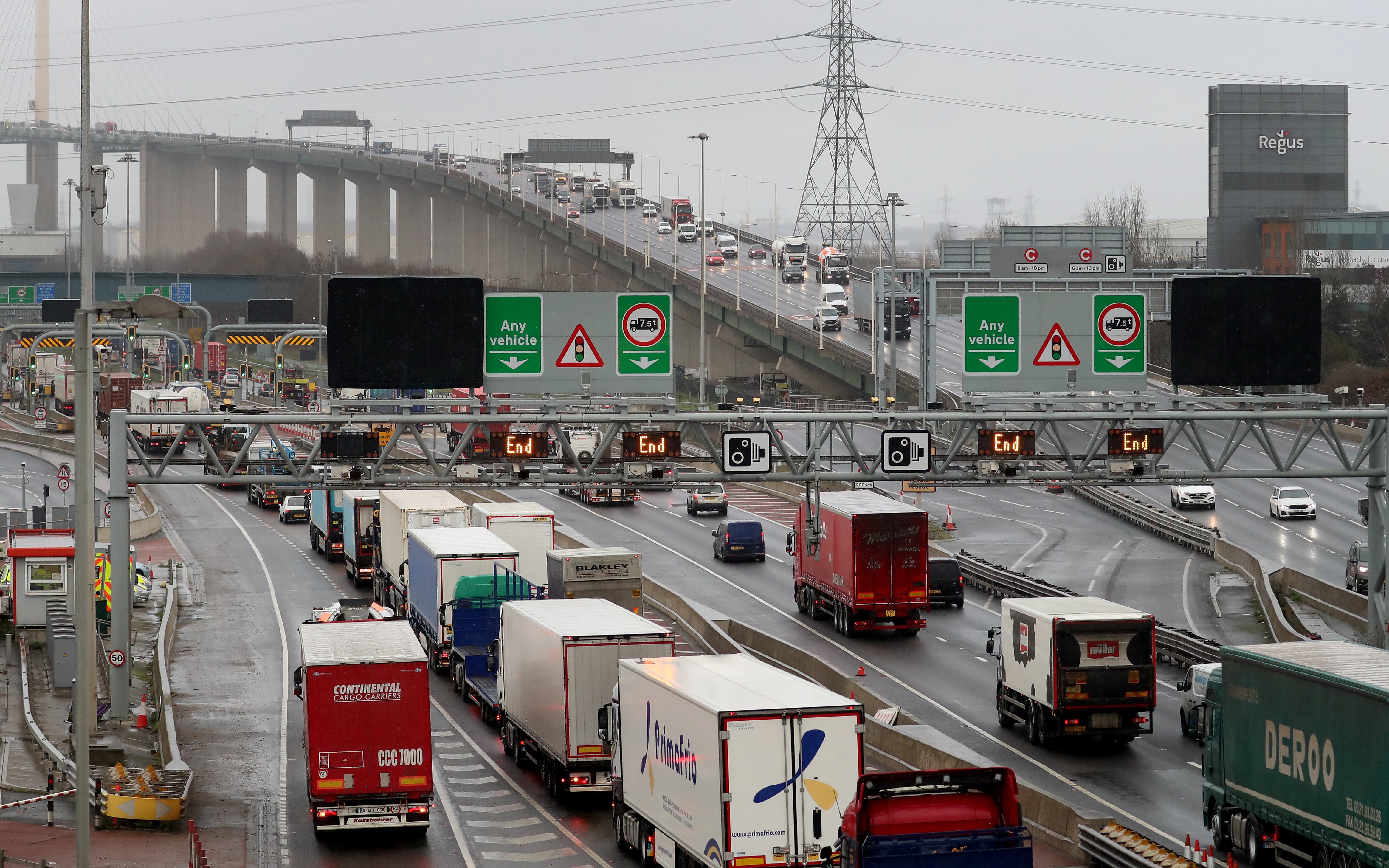
The Dartford Crossing has raked in millions after raising its daily fee last year, forcing motorists to pay more to travel along the busy Thames route.
The crossing charge itself generated £189.2million in 2025, up from £140million the year before, marking a nearly £50million increase.
Labour raised the standard daily charge for cars from £2.50 to £3.50 in September 2025, prompting the rise in revenue.
Former Roads Minister Lilian Greenwood said the increase was needed because traffic levels were putting pressure on the crossing.
Ms Greenwood added that existing charges were "no longer sufficient to achieve their stated aim of managing demand so that the crossing works well for users and local people".
The Government said traffic had increased by 7.5 per cent in the previous 11 years, with more than 150,000 vehicles using the crossing on an average day and up to 180,000 on the busiest days.
However, the revenue figures show the amount collected increased even as the number of chargeable crossings fell.
Crossings dropped from 50.2 million to 49.4 million, meaning higher charges played a major role in the increase in income.
Edmund King, president of the AA, accused successive Governments of "betraying" motorists. He said Governments had "continued to fleece" drivers and argued that the original promise was to abolish the charge once the crossing had been paid for.
"The original agreement was that the Dartford toll should have been abolished when the bridge and maintenance were paid for in 2003," Mr King told The Telegraph.
He added: "This is money for nothing as drivers have no choice and must cross the Thames. Nobody uses the Dartford Crossing for the heck of it."
The crossing consists of two tunnels and the Queen Elizabeth II Bridge, linking Essex and Kent on the M25, with the first tunnel opening in 1963, the second in 1980 and the bridge in 1991.
LATEST DEVELOPMENTS
- DVSA confirms major new MOT test changes to impact thousands of garages nationwide
- Motorists restricted from parking outside homes under new maintenance scheme
- Iconic British brand set to unveil new supercar this week after selling model for £15MILLION
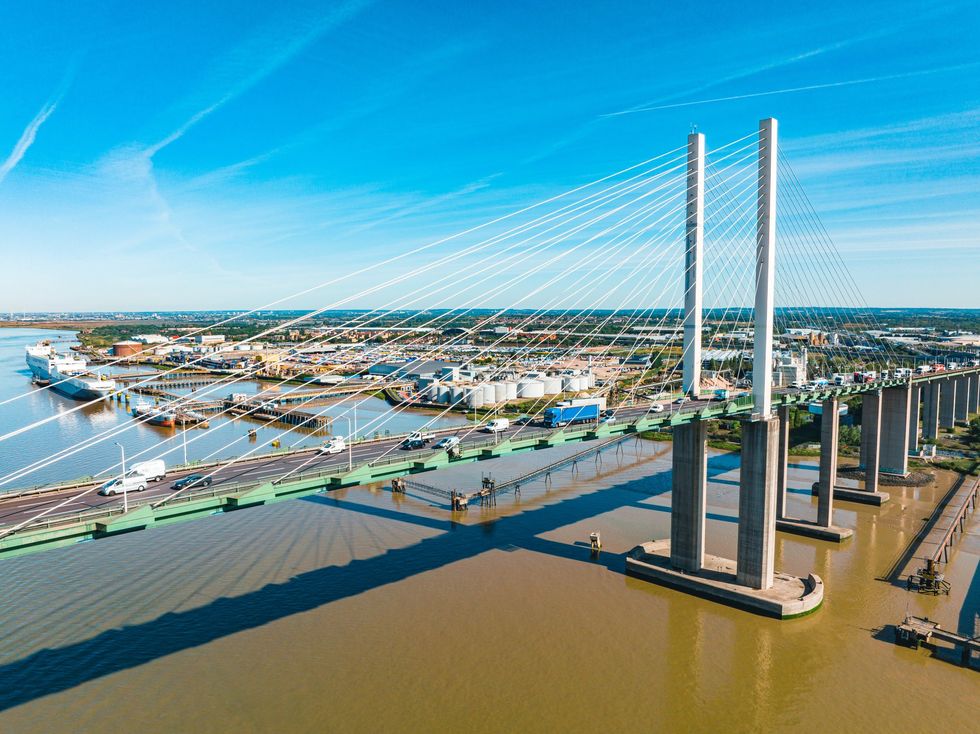
Although the construction costs were repaid more than two decades ago, charges have remained. The system was changed in 2003, when the then-Labour Government announced that the charges would continue indefinitely.
More than half a million penalty notices were issued every month during April and May 2024, following a backlog of unpaid cases linked to problems with a new IT system introduced in 2023.
The Government has insisted that the Dart Charge is primarily about managing congestion rather than raising money.
Since September 2025, the standard car charge became £3.50, while drivers using a pre-pay account pay £2.80
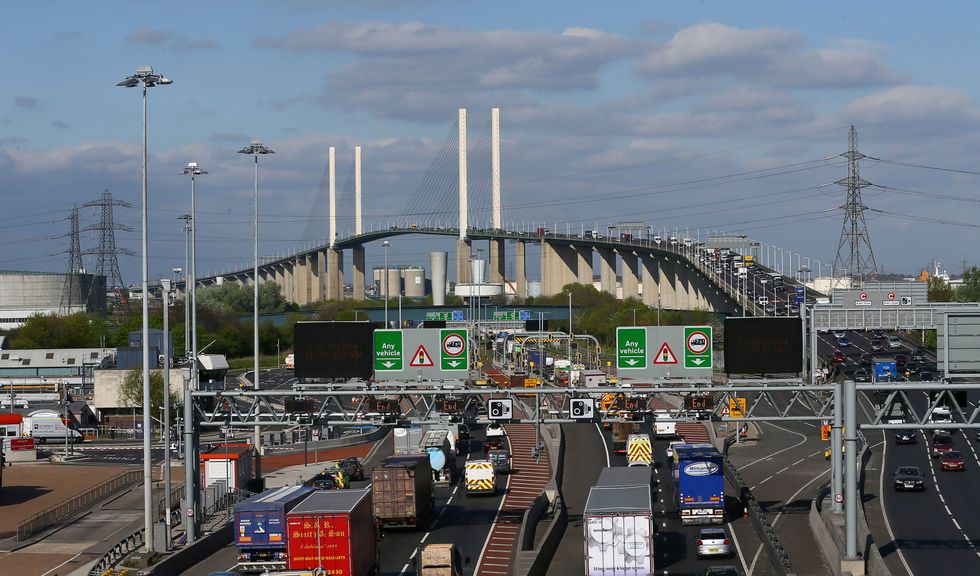
Buses, coaches, vans and other two-axle goods vehicles pay £4.20, while vehicles with more than two axles pay £8.40. Motorcycles, mopeds and quad bikes remain free.
Local residents in Dartford and Thurrock who are signed up to the discount scheme pay £25 for unlimited crossings for a year.
Crossings between 10pm and 6am also remain free because the Government says there is no need to manage demand during those hours.
Kent County Council leader Linden Kemkaran said the "lack of any financial benefit KCC receives from the Dart Charge needs to be considered as we struggle to maintain our road networks".
Our Standards: The GB News Editorial Charter