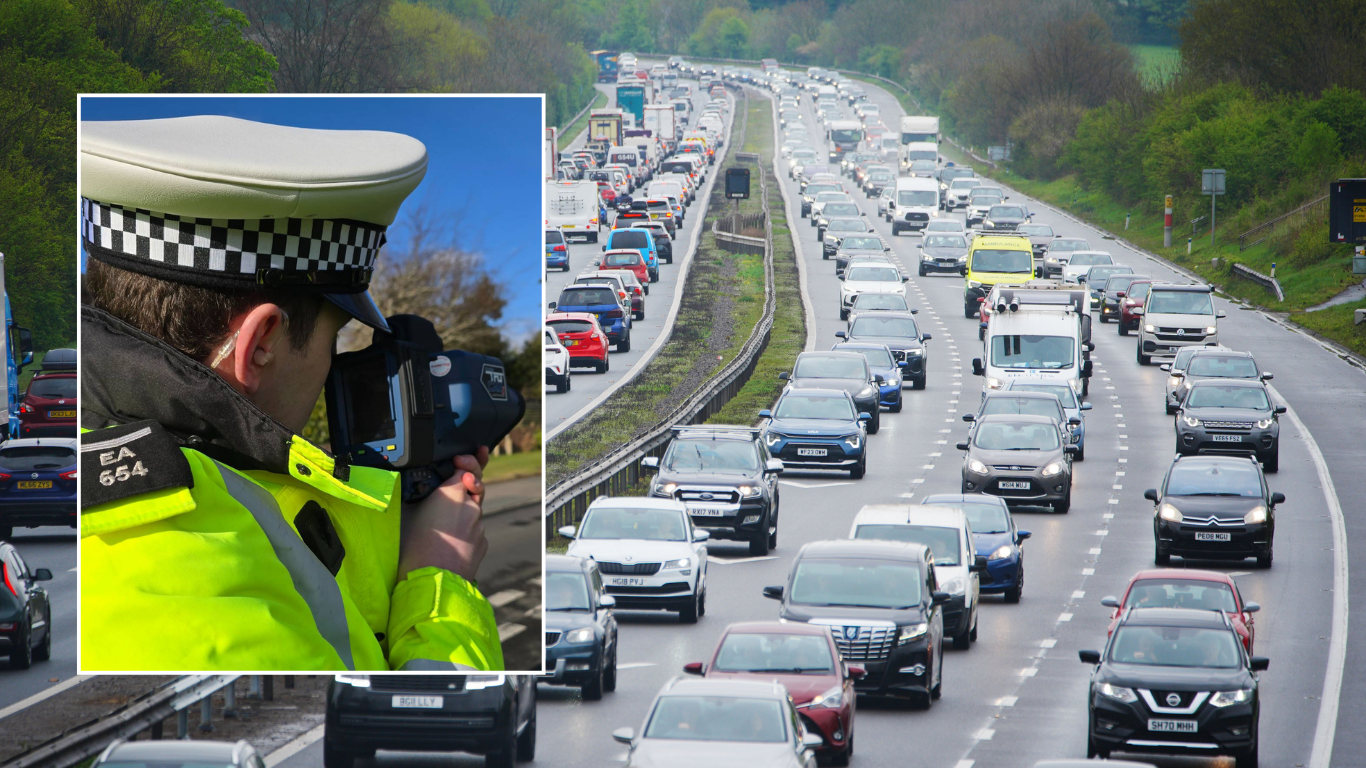
Labour accused of making 'little progress' in improving road conditions despite new safety push
•Labour has come under fire for failing to improve UK roads after reports found the number of people killed or seriously injured increased last year.New Department for Transport statistics show that wh...
•Since 2022, fatalities have been declining, though the combined killed or seriously injured figure has been climbing, continuing a concerning trend that has emerged in recent years.
•TRENDING Stories Videos Your Say Cycling casualties saw the sharpest rise among all road user categories, jumping 10 per cent in a single year to reach 16,027 injured riders.
هذا الخبر من GB News. خبر يقدم أدوات ذكاء اصطناعي للتلخيص والترجمة والاستماع.
المصدر: GB News | Source: GB NewsLabour has come under fire for failing to improve UK roads after reports found the number of people killed or seriously injured increased last year.
New Department for Transport statistics show that while deaths fell slightly to 1,556, the number of people killed or seriously injured rose by four per cent to reach 29,911 in 2025.
However, the report revealed that total casualties across all severity levels on UK roads remained largely unchanged at 127,870.
Since 2022, fatalities have been declining, though the combined killed or seriously injured figure has been climbing, continuing a concerning trend that has emerged in recent years.
TRENDINGStoriesVideosYour SayCycling casualties saw the sharpest rise among all road user categories, jumping 10 per cent in a single year to reach 16,027 injured riders.
Motorcyclists faced an even grimmer picture regarding fatalities, with deaths climbing 13 per cent to 384, marking the second year running that deaths have increased.
The Government's statistics note that year-to-year volatility makes it difficult to determine whether this represents a sustained upward trend or a temporary fluctuation.
These figures emerge despite recent Highway Code amendments designed to give greater protection to vulnerable road users.
RAC senior policy officer Rod Dennis described the statistics as evidence that "precious little progress has been made in reducing harm caused on our roads" and stressed the critical importance of the Government's Road Safety Strategy.
"Frighteningly, on average, four people still lose their lives on the roads every single day," he said. "If this number of people lost their lives on any other form of transport, serious questions would be being asked."
Mr Dennis expressed particular concern about the surge in cycling casualties, noting it was "alarming" given the Highway Code changes prioritising vulnerable road users.
He argued that more must be done to ensure all road users understand their responsibilities for keeping everyone safe.
LATEST DEVELOPMENTS
- DVLA prosecutes widow for failing to insure late husband's car amid calls for justice system overhaul
- Support for lower national speed limits grows amid major push for safer roads and motorways
- Bicycles prioritised over car owners on busy road with controversial new £2million 'cycle street'
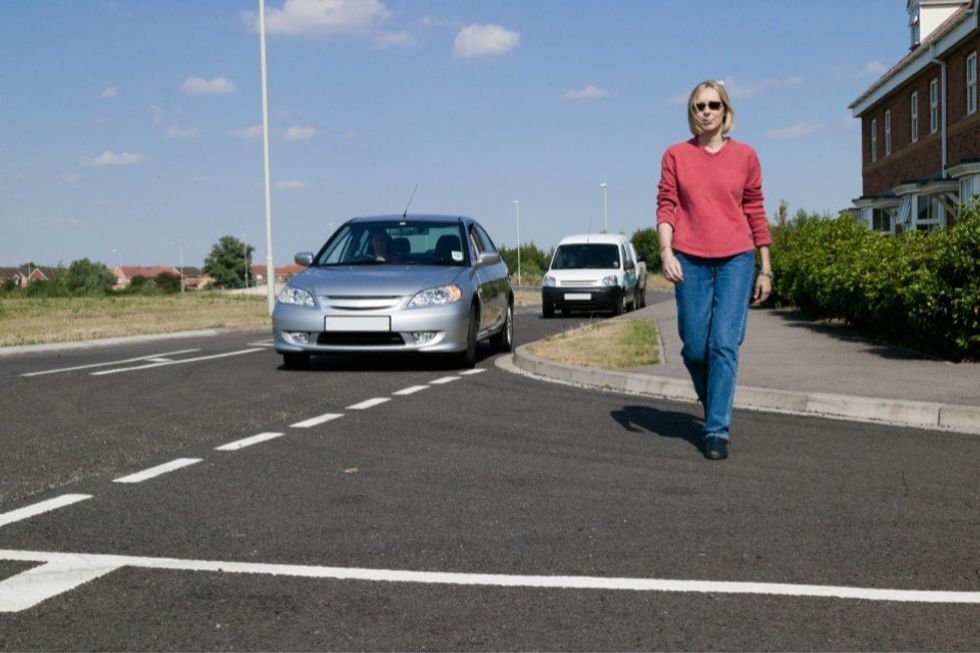
The motoring organisation also highlighted that one pedestrian dies on average every day, a figure Mr Dennis called "unacceptable".
Pedestrian casualties increased by four per cent to 19,972, though deaths in this category dropped nine per cent to 372.
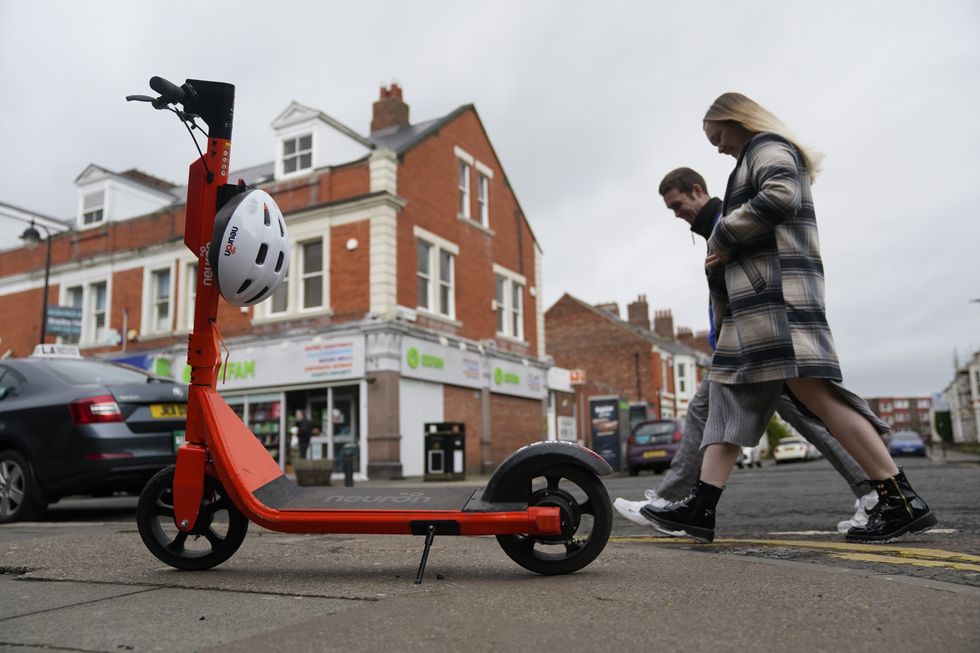
E-scooter incidents also continue to climb as these vehicles become increasingly common on British streets, with 1,484 casualties recorded in collisions involving the devices, up from 1,390 the previous year.
Meanwhile, 10 people died in e-scooter-related incidents, compared with six in 2024, with all fatalities being riders themselves.
Men accounted for 77 per cent of all road deaths and 61 per cent of casualties across all severity levels, consistent with patterns observed in recent years.
Among age groups, those aged 17 to 29 represented 23 per cent of fatalities and 28 per cent of all casualties, while people aged 70 and over made up 24 per cent of deaths but only eight per cent of total casualties.
Mr Dennis said the RAC looks forward to hearing what concrete actions ministers will take following the conclusion of the Road Safety Strategy consultation.
The Government's strategy established ambitious targets to cut killed or seriously injured casualties by 65 per cent by 2035, while a separate target aims to reduce child casualties among those under 16 by 70 per cent by 2030.
Our Standards: The GB News Editorial Charter
ملاحظة تحريرية | Editorial Note: نُشر هذا المقال في الأصل بواسطة GB News. خبر (Khabr) هي منصة إعلامية أردنية مرخّصة تعمل بالذكاء الاصطناعي. نضيف قيمة تحريرية من خلال: تحليل ذكي للأخبار، ملخصات تلقائية، رواية صوتية بالذكاء الاصطناعي، ترجمة متعددة اللغات، وتدقيق الحقائق. هدفنا جعل الأخبار أكثر وضوحاً وسهولةً للقارئ العربي.
This article was originally published by GB News. Khabr is a licensed Jordanian AI-powered news platform (Registration #82086). We add editorial value through: AI-powered news analysis, automated summaries, AI audio narration, multi-language translation (Arabic, English, French, Turkish), and AI fact-checking. Our mission is to make news more accessible and understandable for Arabic-speaking audiences worldwide.