'Killer fungus' could be good news for habitats decimated by invasive moss
•'Killer fungus' could be good news for habitats decimated by invasive moss Just nowShareSaveAdd as preferred on GoogleGeorgina RannardClimate and science reporterGwyndaf Hughes/BBCThe heath-star moss...
•Working with scientists in the UK and France, he has now managed to piece together the puzzle.The culprit was a potent fungus never seen before by scientists, now named moss die-back.We often think of...
•Look on hillsides, sand dunes, or a simple garden fence.
هذا الخبر من BBC News. خبر يقدم أدوات ذكاء اصطناعي للتلخيص والترجمة والاستماع.
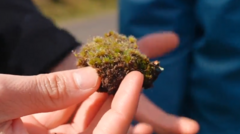
'Killer fungus' could be good news for habitats decimated by invasive moss Just nowShareSaveAdd as preferred on GoogleGeorgina RannardClimate and science reporterGwyndaf Hughes/BBCThe heath-star moss has spread quickly through the UK and EuropeA new species of "killer fungus" has been discovered in Britain that destroys an aggressively invasive plant, raising hopes that decimated native habitats could be restored.It infects the heath-star moss that is damaging UK environments by taking over and turfing out other species.Scientists say it could represent a rare fightback by the British environment against invasive species.The scientist tracking the spread of the moss die-back fungus across the UK took BBC News to see its "fairy rings of death" in south Wales.Dr George Greiff, 30, made the discovery while walking in the Isle of Wight four years ago.He spotted dead invasive mosses on a cliffside and took samples, but couldn't work out the killer.Gwyndaf Hughes/BBCDr George Greiff, 30, discovered the moss die-back fungus But he kept seeing more cases of decaying moss. Working with scientists in the UK and France, he has now managed to piece together the puzzle.The culprit was a potent fungus never seen before by scientists, now named moss die-back.We often think of fungus as bad but consider this one to be a "goodie".Its victim, the heath-star moss, is all over Britain. Look on hillsides, sand dunes, or a simple garden fence. "It's aggressive. I've even seen it growing in tarmac," says Greiff."It is a pretty-looking thing," he concedes, plucking fragments off a clump torn from a carpet of green moss. "But it's caused a lot of problems," he says.George GreiffThe brown patches are dead heath-moss - killed by the moss die-back fungusAround 2,000 non-native plants and animals have been brought to Britain from all over the world by people, accidentally or sometimes deliberately.Some end...المصدر: BBC News | Source: BBC News
ملاحظة تحريرية | Editorial Note: نُشر هذا المقال في الأصل بواسطة BBC News. خبر (Khabr) هي منصة إعلامية أردنية مرخّصة تعمل بالذكاء الاصطناعي. نضيف قيمة تحريرية من خلال: تحليل ذكي للأخبار، ملخصات تلقائية، رواية صوتية بالذكاء الاصطناعي، ترجمة متعددة اللغات، وتدقيق الحقائق. هدفنا جعل الأخبار أكثر وضوحاً وسهولةً للقارئ العربي.
This article was originally published by BBC News. Khabr is a licensed Jordanian AI-powered news platform (Registration #82086). We add editorial value through: AI-powered news analysis, automated summaries, AI audio narration, multi-language translation (Arabic, English, French, Turkish), and AI fact-checking. Our mission is to make news more accessible and understandable for Arabic-speaking audiences worldwide.