Individuals who survive beyond the age of 110 may owe their longevity to immune systems that shift into a heightened state of vigilance rather than fading with time, according to researchers at the University of Osaka.
The study, published yesterday, examined a specific type of immune cell known as CD4 cytotoxic T lymphocytes — specialised cells capable of identifying and destroying threats including cancerous growths and viral infections.
These cells were found in disproportionately elevated quantities among supercentenarians, suggesting they could be a crucial biological factor underpinning extreme old age.
Rather than the gradual immunological decline typically associated with ageing, the findings point to an adaptive defence mechanism that intensifies in response to the mounting health challenges of advanced years.

The team recruited 28 participants divided into three cohorts: eight individuals aged 70 to 99, ten centenarians between 100 and 109, and a further ten aged 110 or above.
Analysis of blood samples demonstrated a striking escalation in CD4 CTL levels across the groups. Among the youngest cohort, these cells comprised roughly 4 per cent of total T-cell counts.
That figure climbed to nearly 10 per cent in centenarians and surpassed 17 per cent in the supercentenarian group.
Though the sample size may appear modest, Japan's national census records only approximately 150 living supercentenarians.
Lead researcher Kousuke Hashimoto noted that securing ten participants from such a rare population represents a meaningful proportion, making the findings all the more significant.
Crucially, the elevated CD4 CTLs displayed no indicators of T-cell exhaustion — the phenomenon whereby immune cells lose their capacity to eliminate cancerous or virus-infected cells.
LATEST DEVELOPMENTS
- Scotland confirms 'Mad Cow Disease' case as farm placed under restrictions
- Everyday vegetable linked to significant reductions in liver fat in six-week study
- Ice or heat? Pain specialist reveals how to tell which one your arthritis actually needs
"I find it remarkable that even after more than a century of life, the immune system may still retain the ability to adapt," said Hashimoto.
"Rather than simply declining with age, the immune system in these exceptionally old individuals may retain the ability to adapt to the persistent challenges that accumulate with age."
The implications extend beyond mere observation. Hashimoto suggested that if scientists can determine precisely why these cells proliferate in certain elderly individuals and identify their targets, it may become possible to replicate this protective immune response therapeutically.
"We think CD4 CTLs may expand in response to these challenges, and if we can understand why these cells expand in some very old people and what they attack, we may eventually be able to find ways to reproduce this beneficial immune response in others," he said.
Independent corroboration of these findings came from Manel Esteller at the Sant Pau Research Institute in Barcelona, who last September carried out an in-depth investigation into María Branyas Morera — the world's oldest woman prior to her death in 2024 at the age of 117 years and 168 days.
Esteller confirmed that Hashimoto's work demonstrates supercentenarians are "enriched" in immune cells that combat threats to the immune system and likely cancerous cells as well.
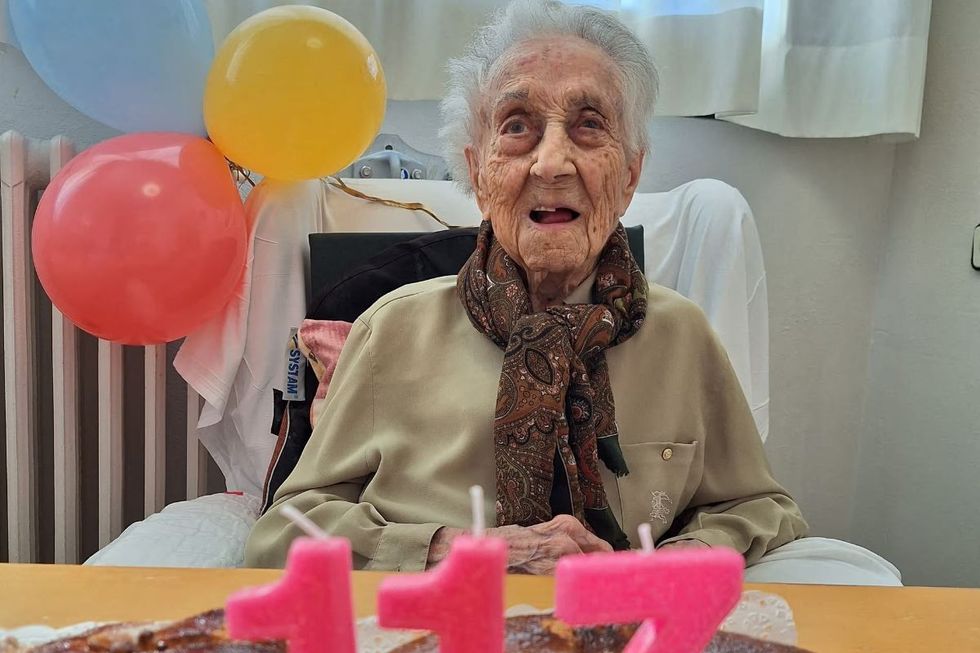
Branyas Morera's own medical history offered a compelling illustration of this resilience. "Maria underwent many infections but was able to defend against all of them," Esteller said.
"She was the oldest [known] person in Spain who had the COVID-19 virus and was asymptomatic."
Her case provides a striking real-world testament to the protective power these extraordinary immune systems appear to confer.
Our Standards: The GB News Editorial Charter