Kenyan entrepreneur turns plastic waste into durable fencing poles
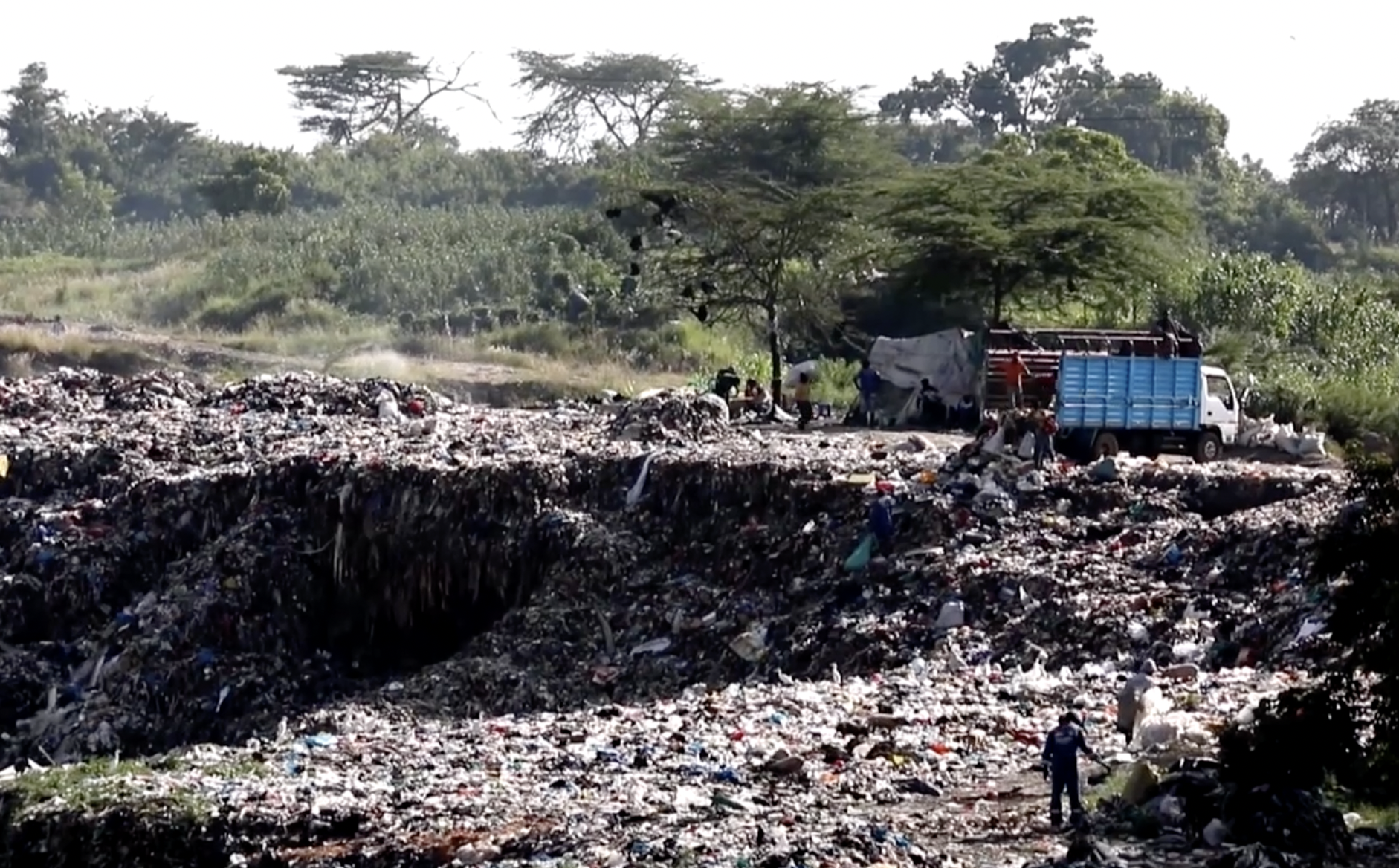
•Mountains of discarded plastic bottles, food containers, and packaging often end up in landfills or waterways, contributing to one of the world's most pressing environmental challenges.But on the outs...
•His idea was inspired by the shortcomings of conventional fencing materials.
هذا الخبر من CGTN EN. خبر يقدم أدوات ذكاء اصطناعي للتلخيص والترجمة والاستماع.
المصدر: CGTN EN | Source: CGTN ENMountains of discarded plastic bottles, food containers, and packaging often end up in landfills or waterways, contributing to one of the world's most pressing environmental challenges.
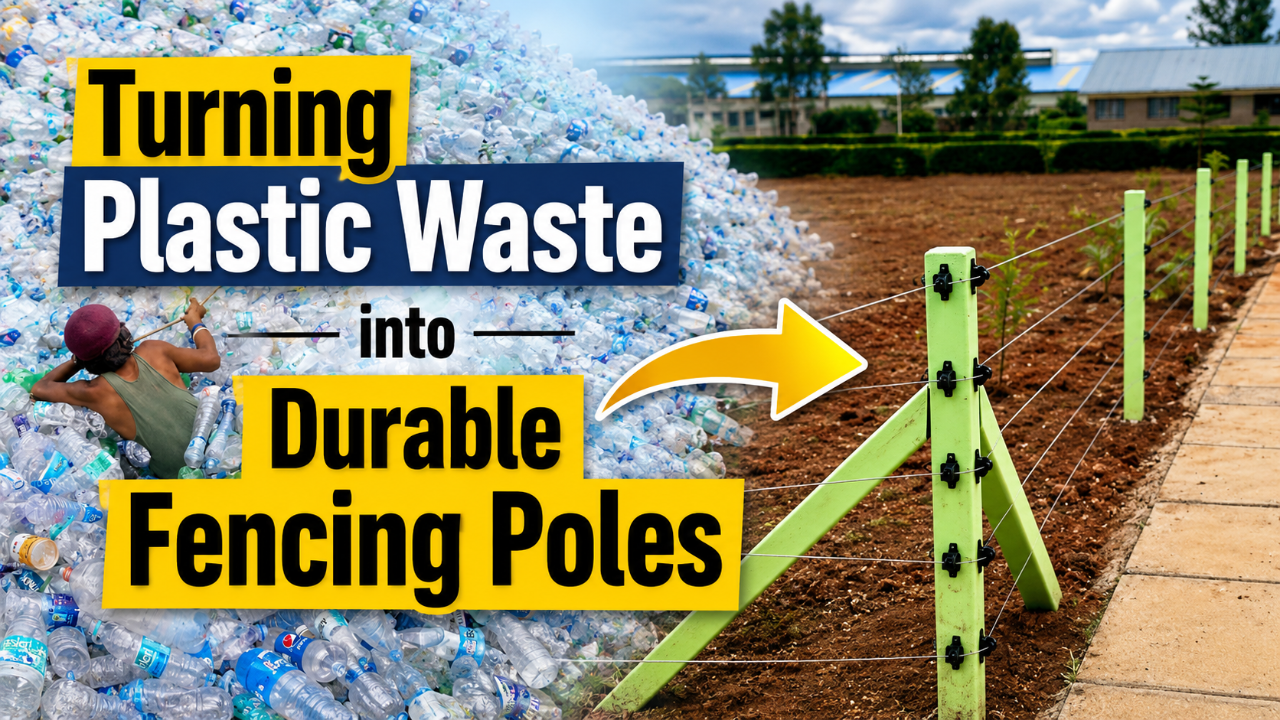
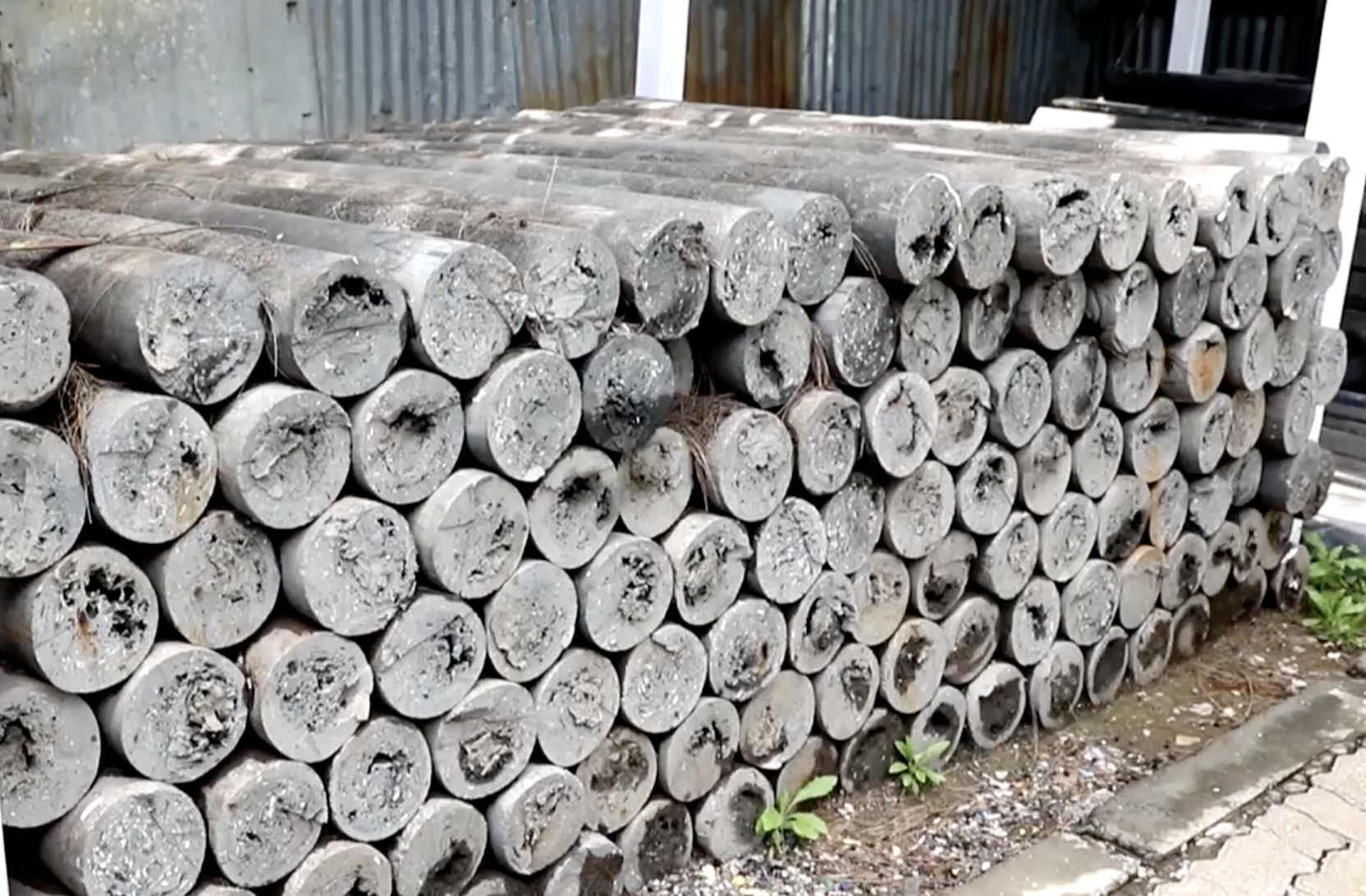
But on the outskirts of Nairobi, an entrepreneur is giving that waste a second life by transforming it into durable fencing poles.
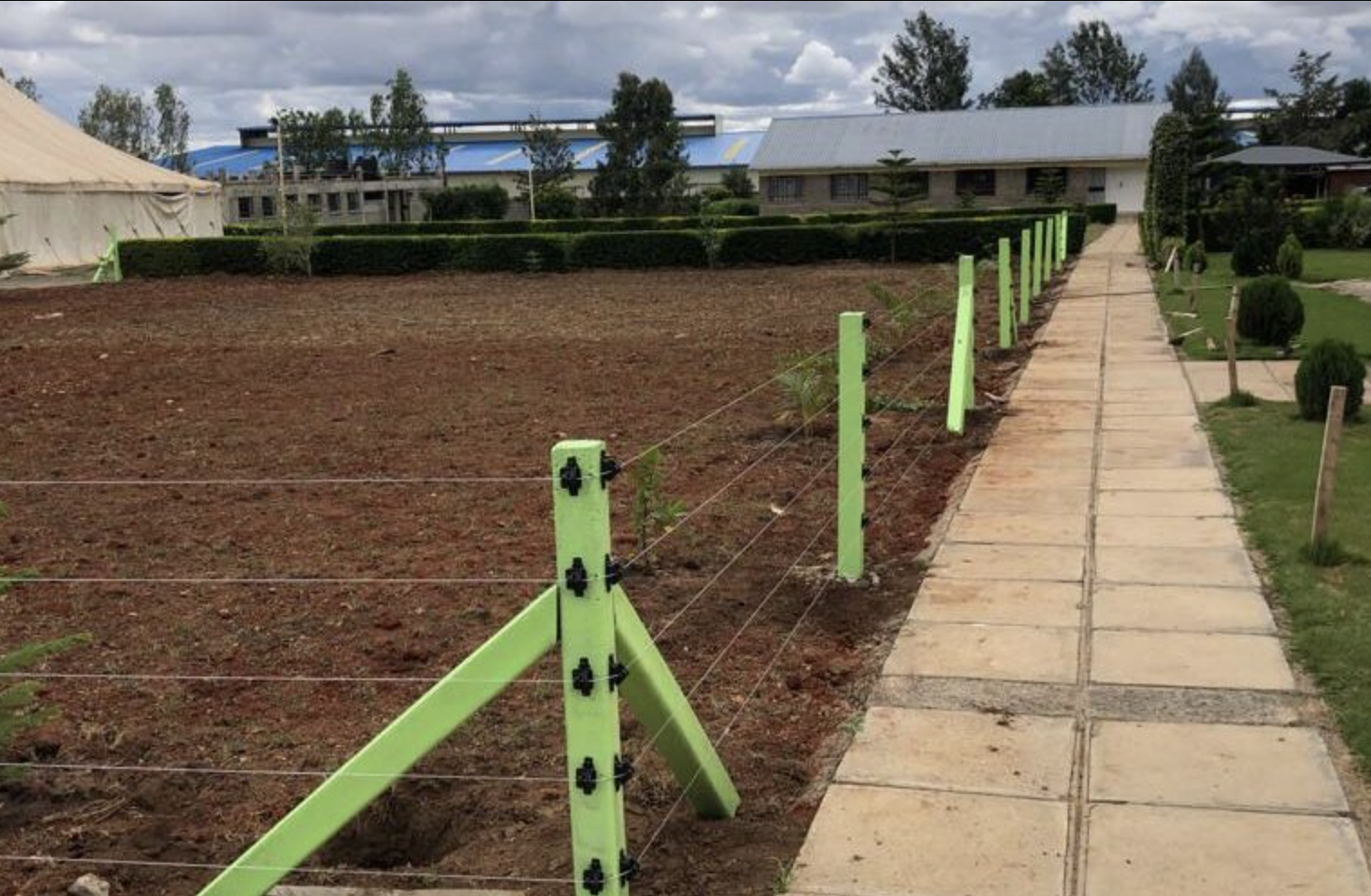
At a manufacturing facility in Syokimau, Machakos County, collected plastic waste is sorted, cleaned, processed, and compressed before being moulded into fencing posts and other products designed to withstand harsh weather, resist termites, and outlast traditional wooden alternatives.
Addressing Kenya's plastic waste challenge
The initiative is helping tackle Kenya's growing plastic waste problem while creating jobs and income opportunities for local communities involved in collecting and supplying recyclable materials.
Abbas Ateya, founder of Silverlink Manufacturing Limited, launched the business in 2015 after leaving his job in the construction industry. His idea was inspired by the shortcomings of conventional fencing materials.
"Whenever we installed fences using metal or wood, they were subject to vandalism," Ateya said. "We asked ourselves which material could be used that wouldn't be vandalised and would have no resale value. That's how the idea of plastic fencing poles was born."
The innovation comes as countries around the world grapple with plastic pollution.
According to the United Nations Environment Programme (UNEP), the equivalent of thousands of garbage trucks of plastic waste enters aquatic ecosystems every day, threatening marine life, ecosystems and human health.
Ateya believes locally driven solutions can play an important role in reducing the amount of plastic destined for dumpsites and waterways while supporting a circular economy.
His business relies on a network of waste collectors and suppliers in surrounding communities who gather, sort, wash, dry and transport plastic waste to the factory for processing.
Plastic collectors are key in the chain
Plastic collectors play a key role in the recycling chain, including George Saitoti Kirui, who has worked in plastic collection for five years and now leads a group of about 20 people.
"I have a family, and my family depends on this work," Kirui said. "Previously, I sold plastic for about 10 Kenyan shillings per kilogram. If I supply 10 tonnes, that's about 100,000 Kenyan shillings, which we share among the members of our group."
Beyond reducing plastic pollution, the recycled fencing poles offer an alternative to timber, helping reduce demand for wood products while providing customers with a more durable solution.
Elijah Kyengo, a landowner in Syokimau with a half-acre property, said he switched from wooden posts after termites repeatedly damaged his fences.
“In the past, I used wooden posts, but within two or three months, termites would destroy them,” he said. “I switched to plastic posts, and they last much longer. The ones I installed have now been there for five years.”
As governments and businesses search for practical ways to tackle the global plastic waste crisis, innovations like Ateya's demonstrate how discarded materials can be transformed into commercially valuable products, creating environmental benefits while generating economic opportunities for local communities.

ملاحظة تحريرية | Editorial Note: نُشر هذا المقال في الأصل بواسطة CGTN EN. خبر (Khabr) هي منصة إعلامية أردنية مرخّصة تعمل بالذكاء الاصطناعي. نضيف قيمة تحريرية من خلال: تحليل ذكي للأخبار، ملخصات تلقائية، رواية صوتية بالذكاء الاصطناعي، ترجمة متعددة اللغات، وتدقيق الحقائق. هدفنا جعل الأخبار أكثر وضوحاً وسهولةً للقارئ العربي.
This article was originally published by CGTN EN. Khabr is a licensed Jordanian AI-powered news platform (Registration #82086). We add editorial value through: AI-powered news analysis, automated summaries, AI audio narration, multi-language translation (Arabic, English, French, Turkish), and AI fact-checking. Our mission is to make news more accessible and understandable for Arabic-speaking audiences worldwide.