Netanyahu's Firm Position on Gaza Withdrawal
In a press conference held on Wednesday, Israeli Prime Minister Benjamin Netanyahu emphasized that Israel will not retreat from Gaza until Hamas, the militant group responsible for a series of attacks against Israeli civilians, is disarmed. This declaration comes as the conflict between Israel and Hamas continues to escalate, raising concerns over humanitarian conditions in Gaza and prompting calls for an immediate ceasefire from various international leaders.
The Context of the Conflict
The ongoing conflict, which reignited in October 2023, has seen significant military engagement and civilian casualties on both sides. Netanyahu's statement reflects a long-standing Israeli policy towards Hamas, which Israel and several other nations designate as a terrorist organization. The Israeli government maintains that disarming Hamas is crucial for national security and the long-term stability of the region.
International Reactions
Netanyahu's comments have drawn varied reactions globally. While some countries support Israel's right to defend itself, others have criticized the ongoing military operations, citing the dire humanitarian crisis unfolding in Gaza. UN officials have reported that a significant number of civilians have been displaced, and aid organizations are struggling to provide necessary assistance due to the ongoing conflict.
Calls for Ceasefire
As hostilities continue, many world leaders are advocating for a ceasefire to address the humanitarian needs of the Palestinian population. However, Netanyahu's government remains resolute in its stance, arguing that any pause in military operations could allow Hamas to regroup and strengthen its position. This has led to a complex debate over how to balance military objectives with humanitarian considerations.
The Impact on Civilians
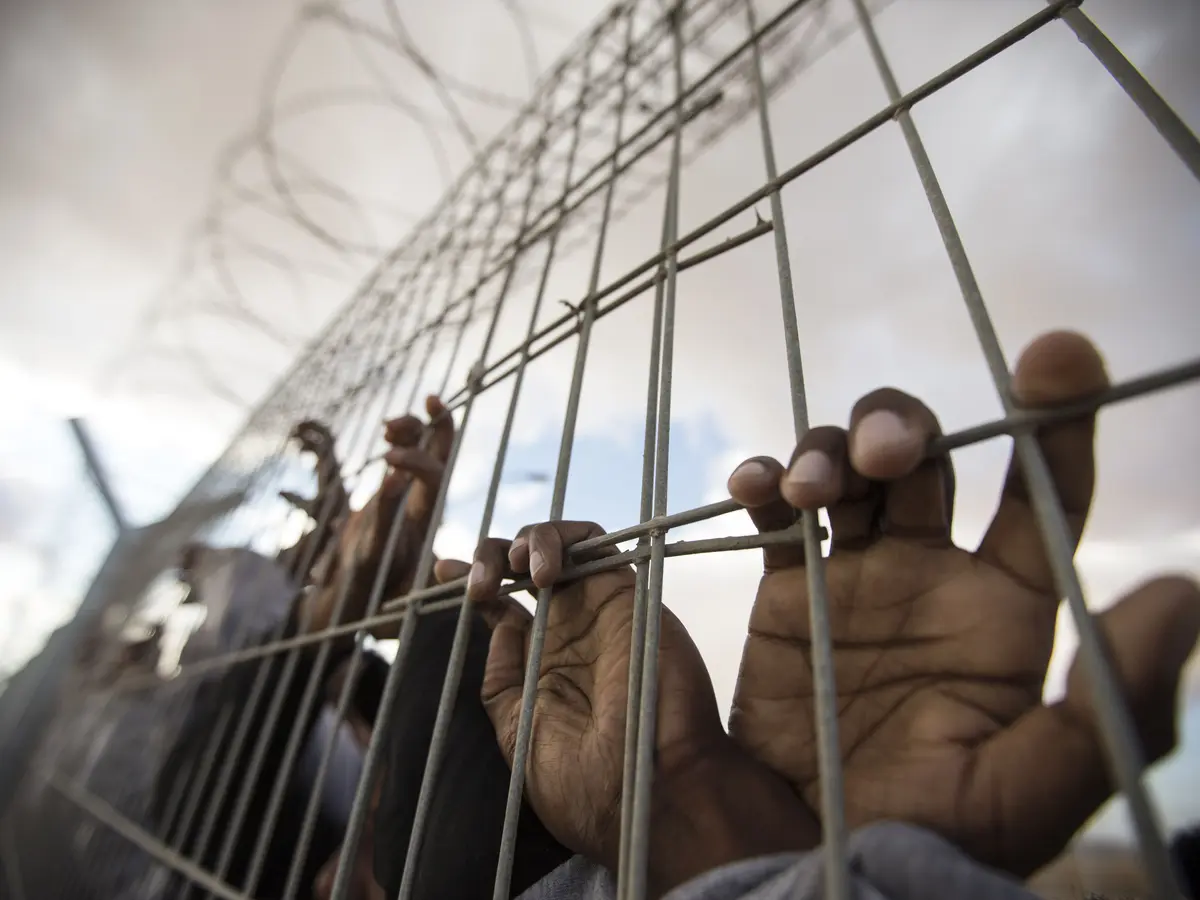
The humanitarian situation in Gaza is deteriorating, with reports of shortages in food, water, and medical supplies. The international community is urging Israel to consider the implications of its military strategy, as civilian casualties continue to rise. Netanyahu has stated that the IDF is taking measures to minimize civilian harm, but the effectiveness of these strategies remains in question.
The Future of the Conflict
The future of the conflict remains uncertain as diplomatic efforts are made to reach a resolution. With Netanyahu's firm stance on disarming Hamas, it appears that military operations will persist until the Israeli government feels its objectives have been met. Analysts suggest that without significant changes in strategy or leadership, both sides may find themselves entrenched in a cycle of violence that is difficult to break.
Conclusion
As the situation unfolds, the world watches closely. Netanyahu's declaration sets the stage for ongoing military engagement in Gaza, with the Israeli government focused on its commitment to national security. The call for a resolution remains urgent, and as international actors seek to mediate peace, the humanitarian plight of civilians caught in the conflict remains a pressing concern.