Israeli Strikes Rock Tehran as Iran Threatens to Completely Shut Key Oil Route
•Tantan – Powerful explosions shook Tehran early Monday in the wake of the ongoing war involving Iran, Israel, and the United States.
•Residents reported blasts across multiple areas of the Iranian capital, with authorities activating air defense systems in response to what officials believe are incoming drones.
•The Israeli military confirmed it launched a “wave of extensive strikes” targeting Iranian government infrastructure in Tehran.
هذا الخبر من Morocco World News. خبر يقدم أدوات ذكاء اصطناعي للتلخيص والترجمة والاستماع.
المصدر: Morocco World News | Source: Morocco World NewsTantan – Powerful explosions shook Tehran early Monday in the wake of the ongoing war involving Iran, Israel, and the United States.
Residents reported blasts across multiple areas of the Iranian capital, with authorities activating air defense systems in response to what officials believe are incoming drones.
The Israeli military confirmed it launched a “wave of extensive strikes” targeting Iranian government infrastructure in Tehran. Iranian media described the explosions as “unprecedented,” especially in the eastern parts of the city. The full extent of the damage and casualties remains unclear.
Fars new said locals heard “tremendous sound of explosion” at the intersection of Hafez and Jomhouri Streets, a densely populated area with a mix of government offices, commercial areas, and residential buildings.
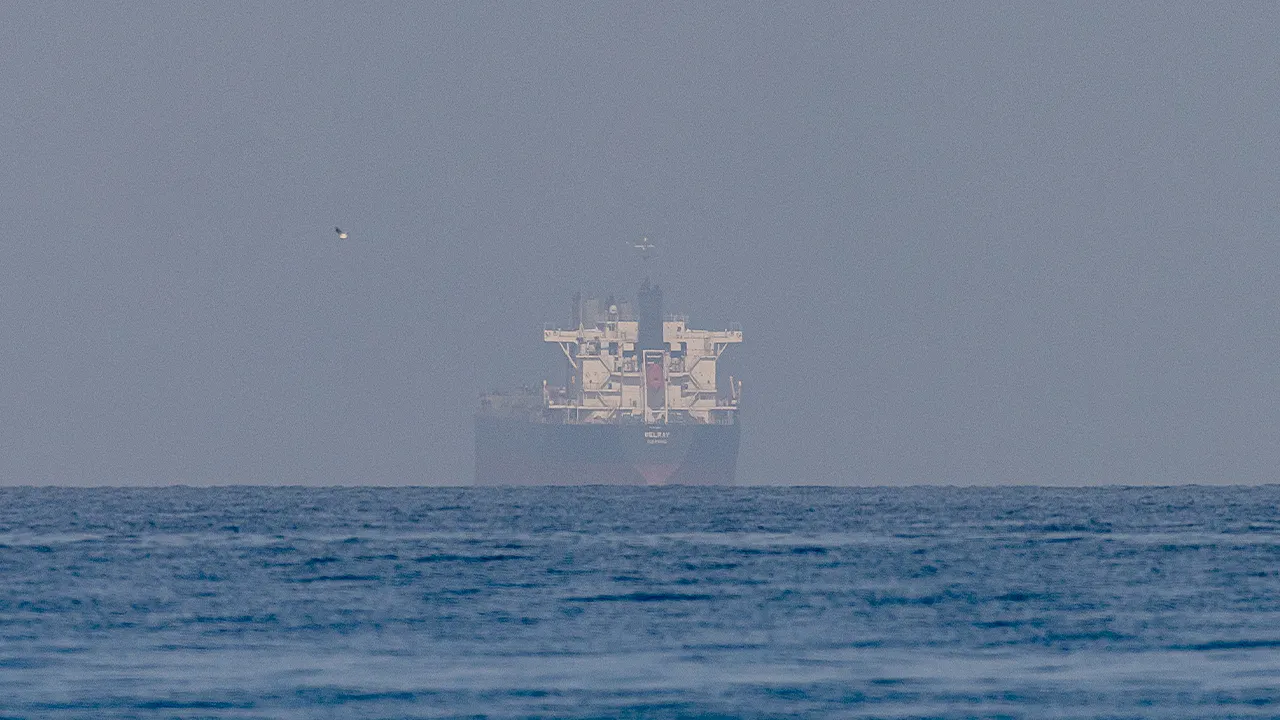
Meanwhile, Iran has issued one of its strongest warnings yet. Officials said they would completely shut the Strait of Hormuz if the US attacks its power plants. This narrow waterway is critical for global oil shipments, and any closure could disrupt energy supplies worldwide. Tehran also threatened to strike energy and water infrastructure across the region in retaliation.
Iran’s National Defence Council later issued a statement saying that any attempt to attack the Iranian coast or islands will cause “all communication lines in the Persian Gulf to be mined.”
The conflict is already shaking global markets. Oil prices have surged past $100 per barrel, and currencies like the South Korean won have dropped sharply. The International Energy Agency warned the situation is “very severe,” with up to 25% of global oil supply affected.
At the same time, tensions continue to rise beyond Iran’s borders. Israeli forces destroyed the Qasmiyeh Bridge in southern Lebanon, a key route connecting the south to the rest of the country.
Lebanese President Joseph Aoun called the attack a “prelude to a ground invasion,” warning it could signal a broader military offensive. Israel claims that Hezbollah used the bridge, and they needed to target it.
Meanwhile, Gulf countries continue to report intercepting Iranian ballistic missiles and drones launched in retaliation for US-Israel attacks.
Saudi Arabia’s Ministry of Defense said early this morning that the country’s air defences intercepted one missile heading towards Riyadh, while the other fell in an open area.
The UAE’s National Emergency Crisis and Disaster Management also said early Monday morning that the country’s air defences are “currently responding to incoming missile threat from Iran” and is urging citizens to remain in a safe place.
The post Israeli Strikes Rock Tehran as Iran Threatens to Completely Shut Key Oil Route appeared first on Morocco World News.
ملاحظة تحريرية | Editorial Note: نُشر هذا المقال في الأصل بواسطة Morocco World News. خبر (Khabr) هي منصة إعلامية أردنية مرخّصة تعمل بالذكاء الاصطناعي. نضيف قيمة تحريرية من خلال: تحليل ذكي للأخبار، ملخصات تلقائية، رواية صوتية بالذكاء الاصطناعي، ترجمة متعددة اللغات، وتدقيق الحقائق. هدفنا جعل الأخبار أكثر وضوحاً وسهولةً للقارئ العربي.
This article was originally published by Morocco World News. Khabr is a licensed Jordanian AI-powered news platform (Registration #82086). We add editorial value through: AI-powered news analysis, automated summaries, AI audio narration, multi-language translation (Arabic, English, French, Turkish), and AI fact-checking. Our mission is to make news more accessible and understandable for Arabic-speaking audiences worldwide.