Israeli Defense Forces Intercept Missiles as Regional Tensions Escalate Near Eilat and Aqaba
•On October 25, 2023, the Israeli Defense Forces intercepted missiles aimed at Aqaba, launched from Iranian positions.
•The incident highlights escalating tensions in the region, with Israel remaining vigilant against Iranian threats.
•Both Israeli and Jordanian officials emphasized the importance of cooperation for regional stability amid ongoing hostilities.
المصدر: خبر - ترند | Source: خبر - ترندOverview of the Incident
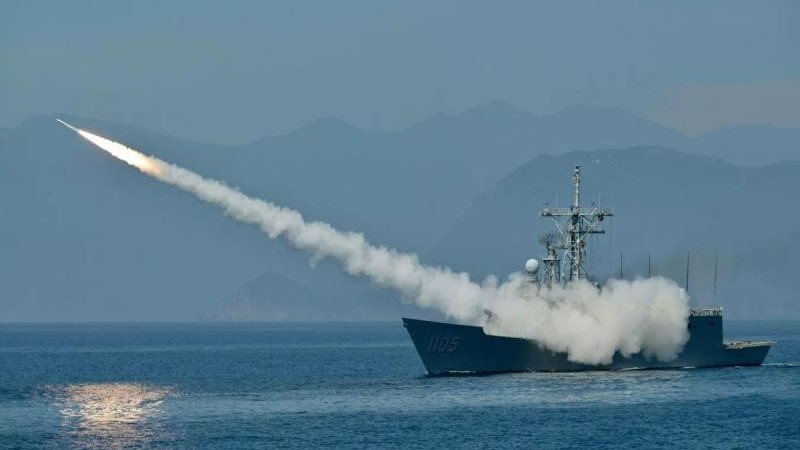
On October 25, 2023, the Israeli Defense Forces (IDF) fired interceptors over the southern city of Eilat in response to Iranian missiles targeting the nearby Jordanian city of Aqaba. This significant military engagement reflects heightened tensions in the region, raising alarms about the potential for broader conflict.
Missile Launch and Interception
According to reports, the missiles launched from Iranian positions were aimed at strategic locations in Aqaba, prompting the IDF to activate its air defense systems. Witnesses in Eilat described a dramatic scene as interceptor missiles lit up the night sky, successfully neutralizing the threat before any damage could occur.
Regional Implications
This incident is part of a larger pattern of hostilities that has been increasing in recent months between Iran and Israel. As Iran continues to support militant groups in the region, Israel remains vigilant, frequently conducting airstrikes to thwart potential attacks. The situation is further exacerbated by ongoing tensions in Syria and Lebanon, where Iranian influence is also a major concern for Israel.
Reactions from Israeli and Jordanian Officials
Israeli officials have reiterated their commitment to safeguard national security, stating that the interception of the Iranian missiles was a necessary action to protect both Israeli and Jordanian citizens. Meanwhile, Jordan has expressed gratitude to Israel for its swift response, emphasizing the importance of cooperation between the two nations in maintaining regional stability.
The Role of International Players
The United States and other international actors have closely monitored the situation, with many calling for de-escalation and dialogue. The U.S. has reaffirmed its support for Israel's right to self-defense while urging all parties to exercise restraint. Analysts suggest that the involvement of global powers may be crucial in preventing further escalation and promoting peace in the increasingly volatile region.
Conclusion
The missile interception over Eilat is a stark reminder of the precarious security landscape in the Middle East. As Iran's missile capabilities grow, and tensions rise, the potential for conflict remains a pressing challenge for regional leaders. The international community must continue to advocate for diplomatic solutions to ensure stability and peace in this critical area of the world.
→On October 25, 2023, the Israeli Defense Forces intercepted missiles aimed at Aqaba, launched from Iranian positions.
→The incident highlights escalating tensions in the region, with Israel remaining vigilant against Iranian threats.
ملاحظة تحريرية | Editorial Note: نُشر هذا المقال في الأصل بواسطة خبر - ترند. خبر (Khabr) هي منصة إعلامية أردنية مرخّصة تعمل بالذكاء الاصطناعي. نضيف قيمة تحريرية من خلال: تحليل ذكي للأخبار، ملخصات تلقائية، رواية صوتية بالذكاء الاصطناعي، ترجمة متعددة اللغات، وتدقيق الحقائق. هدفنا جعل الأخبار أكثر وضوحاً وسهولةً للقارئ العربي.
This article was originally published by خبر - ترند. Khabr is a licensed Jordanian AI-powered news platform (Registration #82086). We add editorial value through: AI-powered news analysis, automated summaries, AI audio narration, multi-language translation (Arabic, English, French, Turkish), and AI fact-checking. Our mission is to make news more accessible and understandable for Arabic-speaking audiences worldwide.